
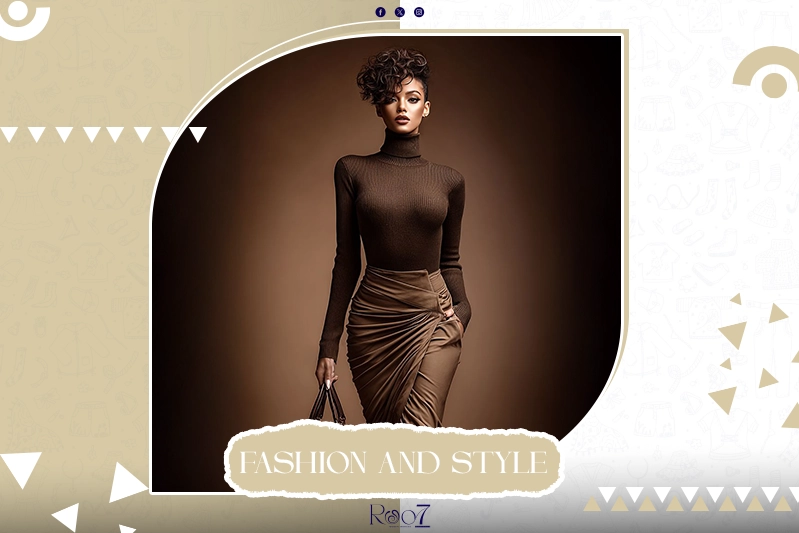
The fashion industry, a colossal and relentless engine valued in the multi-trillions of dollars globally, is more than just a business; it is a cultural phenomenon, a form of artistic expression, and a complex logistical marvel. It operates at the intersection of high art and mass production, dictating not only what we wear but how we perceive status, identity, and change. The journey of a garment, from an abstract idea sketched on paper to a tangible item hanging in a closet halfway across the globe, is a fascinating and often convoluted process. This transformation—from the ephemeral fantasy of the runway to the practical reality of daily wear—involves an intricate dance between creative genius, financial strategy, global supply chains, and evolving social values. This is the essence of Fashion and Style.

This comprehensive exploration delves into the four interdependent levels that constitute the fashion system: the raw material production, the design and manufacturing of goods, the retail and distribution channels, and the critical role of media and promotion. We will trace the lifecycle of a trend, examine the economic forces that govern its propagation, and analyze the profound social and environmental consequences of this relentless creative and commercial cycle of Fashion and Style.
I. The Fantastical Beginning: The Runway and the Genesis of a Collection
The genesis of all fashion lies in the creative impulse, a process that culminates in the dramatic spectacle of the seasonal fashion show. These events, particularly those staged in the established fashion capitals—Paris, Milan, London, and New York—are the ultimate proving grounds, serving as both artistic declarations and high-stakes marketing performances. These shows are the pinnacle of Fashion and Style.

A. The Conceptual Forge: Design and Pre-Production
The life of a new collection begins months, sometimes a year, before it sees the light of day. This initial phase is characterized by intense research, known as trend forecasting and mood boarding. Designers and their teams delve into historical archives, contemporary social movements, art exhibitions, and even political shifts to establish a coherent narrative or theme. This theme must be both a reflection of the current cultural moment and a projection of the desired future aesthetic.
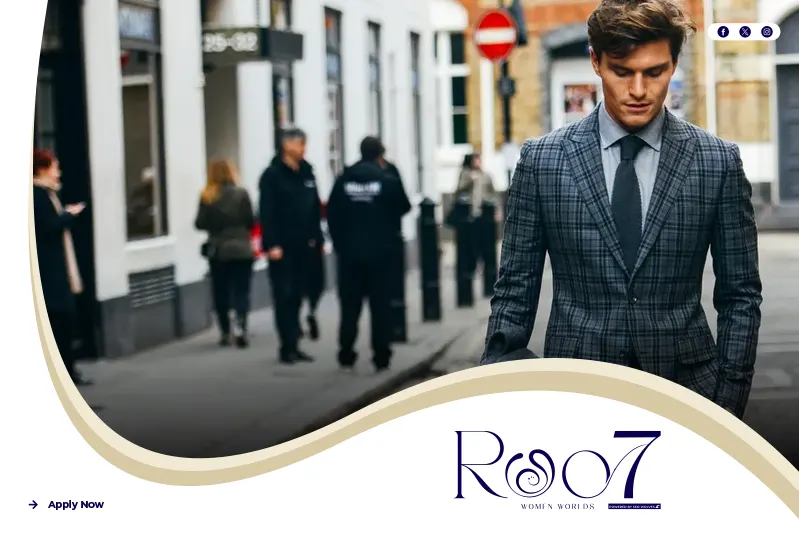
Once the conceptual foundation is laid, the technical work begins. A distinct difference exists between the two major tiers of design: Haute Couture and Ready-to-Wear (RTW). Haute Couture, meaning “high sewing,” is exclusive to a handful of fashion houses sanctioned by the Chambre Syndicale de la Haute Couture in Paris. These garments are bespoke, made-to-measure for individual clients, and involve meticulous, hand-finished techniques, often taking hundreds of hours per piece. Couture is the industry’s laboratory, where profitability is secondary to prestige and artistic experimentation. Its purpose is to uphold the brand’s luxury status and creative authority in Fashion and Style.
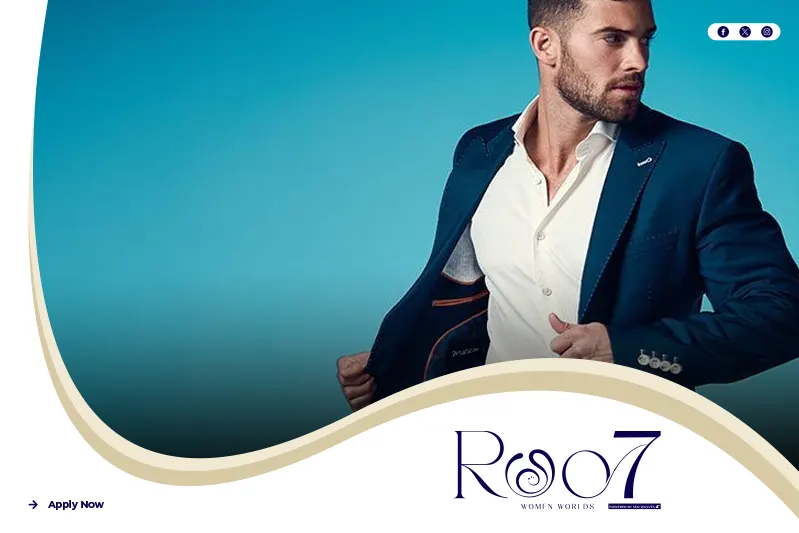
Conversely, Ready-to-Wear—or prêt-à-porter—is the engine of the industry. These clothes are factory-made in standardized sizes and are intended for mass distribution. The RTW designer must balance creative vision with commercial viability, ensuring designs are not only novel but also scalable for production. The design translation involves pattern making—either through traditional paper methods or increasingly via computer-assisted design (CAD) techniques—and the creation of initial prototypes, or “toiles.” Fabric sourcing is another critical step, often involving global travel to secure specialized textiles, whether they be natural fibres like organic cotton and silk, or synthetic innovations like recycled polyester and bio-based leather alternatives. This is where Fashion and Style becomes tangible.
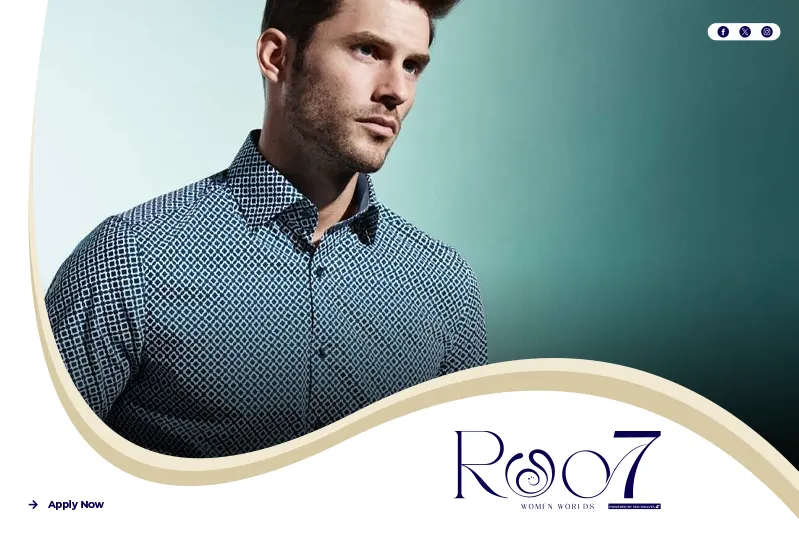
The established order of the fashion world is anchored by the “Big Four” fashion capitals, each carrying distinct historical and cultural weight. Paris remains the undisputed heart of haute couture and legacy luxury, symbolizing unparalleled craftsmanship and artistry. Milan is synonymous with exquisite tailoring, high-quality leather goods, and the commercial strength of established family-run luxury houses. London acts as the laboratory of the avant-garde, known for fostering radical young talent and pushing conceptual boundaries. Finally, New York is the anchor of commerciality, focusing heavily on modern, accessible ready-to-wear, sportswear, and the direct connection to the massive American consumer market. The decision of where and how to show a collection dictates a brand’s positioning and target audience. For instance, a brand choosing to debut at Paris Couture Week instantly elevates its perceived status and justifies its extreme price points, even if only a minuscule percentage of its revenue comes from the couture pieces themselves.

This entire pre-production phase represents an enormous financial and creative risk. Millions of dollars are invested in design, materials, and the logistics of the show, all based on a prediction of what consumers will desire six months later. The runway, therefore, is the most visible manifestation of this gamble—a high-stakes presentation where commercial success hangs on critical reception and buyer engagement. The pieces must not only be beautiful but must also capture the industry’s attention long enough to be translated into profitable units. It is a true test of Fashion and Style.
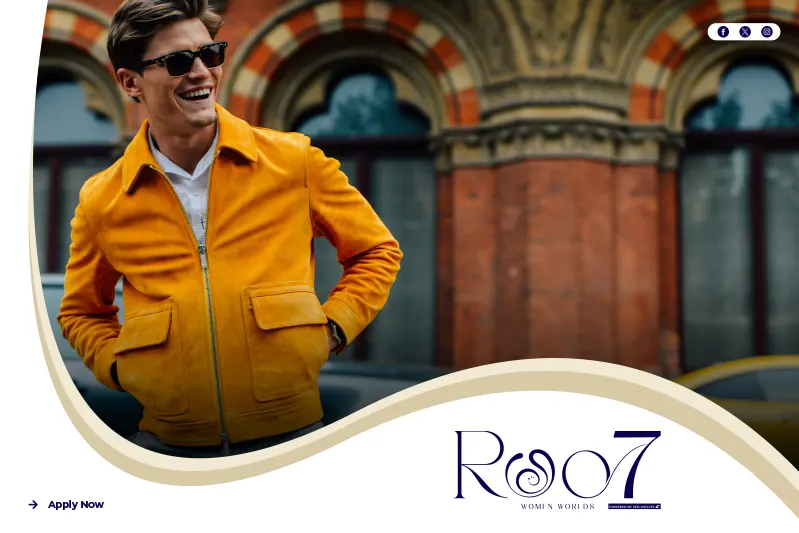
B. The Performance of Power: The Fashion Show Ecosystem
The fashion show is the collection’s public baptism. It is a highly curated event where the clothing is just one component of a holistic, immersive experience. The theatricality—whether it’s a minimalist presentation in a concrete bunker or an extravagant show featuring complex narratives and technology—serves to build the brand’s image and create memorable, shareable content.

Choreography of Influence: The staging is crucial. Lighting and sound are manipulated to enhance the mood of the clothing. The models, often chosen for their ability to embody the collection’s specific aesthetic, are meticulously styled down to the smallest detail. The garments presented on the runway, especially the most dramatic ones, are the “lookbook” translated into movement. They are designed to be photographed, not necessarily worn, acting as visual cues and inspiration for the media and subsequent commercial copies. This is performative Fashion and Style.

The Critical Gatekeepers: The front row seating chart is a masterclass in fashion politics. Its occupants—editors-in-chief, influential critics, major buyers, and A-list celebrities—are the gatekeepers. Fashion editors and journalists are the first translators of the collection. They interpret the designer’s intent, identify emerging macro-trends (e.g., the return of maximalism, the prevalence of a certain color like lime green or a fabric like tweed), and write the trend reports that will shape consumer desire for Fashion and Style.

The Rise of the Digital Translator: In the 21st century, the influencer and digital content creator have joined and, in some cases, supplanted the traditional critic. Their immediate, real-time commentary and high-resolution posts bypass traditional media cycles. An outfit worn by an influencer who attended the show can reach millions of consumers instantly, turning a runway concept into an immediate street-style inspiration. This rapid digital dissemination has accelerated the entire trend cycle, dramatically shrinking the window between conception and mass consumption. This new speed redefines Fashion and Style.

C. The Commercial Mandate: Showroom and Ordering
Immediately following the show, the frenzy moves from the catwalk to the showroom. This is where buyers from major global retailers—such as Harrods, Bergdorf Goodman, and specialized e-commerce platforms—place their orders. Buyers are essentially trend-risk assessors. They must reconcile the designer’s artistic vision with the practical purchasing habits of their customer demographic.
They negotiate prices, determine quantities, and select the specific cuts and fabric variations that will translate best into their market. They might request a sheer runway gown be lined for retail, or a conceptual jacket be produced in a more commercial colorway. This six-month-out ordering process establishes the ready-to-wear production schedule and determines the fiscal success of the entire collection. The sheer volume of these orders transforms the artistic statement into a logistical challenge, initiating the complex global supply chain for Fashion and Style.
II. The Commercialization of Creativity: From Order to Inventory
The transition from a sample garment in a showroom to thousands of units distributed globally is a testament to the hyper-globalized, technologically integrated structure of the modern fashion industry. This is the stage where profitability is realized, but also where the industry faces its most profound ethical and environmental challenges.

A. The Global Supply Chain and Manufacturing
The modern fashion supply chain is a multi-continental network, often referred to as being highly fragmented. A luxury handbag designed in Italy might use leather from South America, metal hardware from China, and be assembled by highly specialized artisans in a factory in Romania, before being shipped to a warehouse in the United States. This complexity is driven by the search for specialized resources, cost efficiency, and speed.
The sheer economic scale of this operation is staggering; the global apparel and footwear market generates well over $1.7 trillion in revenue annually, making it one of the largest economic engines in the world. To manage this massive flow of goods, the supply chain requires a highly specialized workforce beyond the designer, including pattern graders who mathematically size garments, logistics managers who coordinate global shipping routes, and quality control (QC) teams who ensure standards are maintained across diverse factory environments. The manufacturing process often involves multiple checkpoints to minimize errors, especially for complex designs or sensitive fabrics. This is the hidden side of Fashion and Style.
Raw Materials and Production: The process begins with the Tier 1 and Tier 2 suppliers—the textile mills and fabric processors. A significant portion of the industry’s environmental footprint is generated here, particularly concerning water usage (especially in cotton farming and dyeing), energy consumption, and chemical use. Innovations like waterless dyeing techniques (e.g., using supercritical ) and the adoption of regenerative farming practices for raw materials are critical, yet costly, responses to these environmental pressures. The global fashion market is increasingly segmented by region: China remains the largest exporter of finished goods, while the U.S. remains one of the largest importers.

Manufacturing and Labor: The assembly of garments is often relocated to countries with lower labor costs, such as Vietnam, Bangladesh, and Turkey. This outsourcing has been a source of immense controversy regarding working conditions, fair wages, and worker safety. Brand reputation is now inextricably linked to the ethical standards of their manufacturing partners. Consequently, supply chain transparency has become a major challenge, with many brands struggling to accurately track the origin and conditions across all tiers of their production process. The implementation of technologies like blockchain is being explored to create an unchangeable, verifiable record of a garment’s journey from raw fibre to retail shelf, enhancing accountability. The pressure to reduce costs and increase speed means manufacturers are constantly optimizing efficiency, often at the expense of traditional craftsmanship. The move towards ‘nearshoring’—moving production closer to major retail markets—is one recent attempt by brands to regain some of the speed lost to the distant, fragmented global network, helping them to react faster to unexpected demand spikes or drops. When a luxury house places an order, the traditional lead time—the time from confirmed order to product delivery—is typically six months. This timeline is necessary for sourcing high-quality, specialty fabrics and ensuring meticulous assembly. However, this inherent delay creates the market gap that fast fashion exploited so effectively.

B. The Fast Fashion Revolution and its Disruptive Model
The most significant shift in the commercial landscape over the past few decades has been the rise of fast fashion and, more recently, ultra-fast fashion. This model fundamentally collapses the traditional six-month fashion calendar.

Speed as Strategy: Pioneers like Zara mastered the Quick Response (QR) method, dramatically cutting the time between identifying a trend and having the finished product available in stores—sometimes as little as two weeks. This speed is achieved through geographically concentrated and highly agile supply chains, heavy investment in logistics, and data-driven product design. Instead of relying solely on runway shows, fast fashion houses use sophisticated AI and data analytics to monitor social media, search engine queries, and street style blogs to predict demand instantly. They produce in small, adaptable batches, testing market reception and then quickly scaling up successful items. This is a new model for Fashion and Style.

The Democratization and Cost: Fast fashion democratized style, making trendy, high-fashion-inspired looks available to consumers at incredibly low prices. However, this model is built on encouraging conspicuous consumption and frequent purchasing, leading to a massive increase in the volume of clothing produced and discarded. The result is the creation of mountains of textile waste, contributing significantly to landfill and microplastic pollution from synthetic fabrics. The pressure to maintain ultralow prices also perpetuates the ethical challenges in the labor force.

C. Navigating the Digital Retail Frontier
The retail environment itself has undergone a radical transformation. E-commerce has shifted purchasing habits, moving sales from physical stores to highly personalized online experiences.

Data and Personalization: Online platforms use AI-powered curation and predictive algorithms to personalize product discovery, addressing the digital shopper’s fatigue from endless selection. Virtual fitting rooms and augmented reality (AR) tools are bridging the gap between the online and physical shopping experience, reducing return rates and increasing consumer confidence.

The Resale and Rental Economy: In response to the overconsumption encouraged by fast fashion, counter-business models centered on the circular economy are rapidly gaining momentum. The second-hand market, powered by platforms like ThredUp and Vestiaire Collective, is expected to outpace traditional retail growth. Similarly, clothing rental services (e.g., Rent the Runway) offer consumers access to high-end and designer pieces without the need for permanent ownership, emphasizing shared resources and extending the lifecycle of luxury garments. This trend signifies a fundamental shift in consumer mindset, prioritizing experience and access over outright possession. This is a circular approach to Fashion and Style.

III. Fashion in Our Daily Lives: Style, Culture, and the Future Imperative
The final, and most vibrant, stage of the fashion journey occurs when the clothing is purchased and integrated into the wearer’s life. Here, the commercial garment is transformed into a tool for self-expression and social commentary.

A. The Language of Style and Identity
Fashion, as a dictated trend, is distinct from style, which is the personalized application of those trends. Style is an individual’s curated response to the clothes available to them, reflecting personality, biography, and cultural affiliation. It is a powerful form of non-verbal communication that signals tribe, status, and attitude. This is the true meaning of Fashion and Style.

The rise of the internet has fostered subculture styles and micro-trends that emerge from niches rather than the elite establishment. A trend seen on TikTok can be adopted globally before a major magazine even publishes its trend report. This bottom-up influence has forced established luxury houses to embrace street culture, blurring the lines between high fashion and casual wear, a shift exemplified by luxury brands appointing designers with streetwear backgrounds.

The way we combine color, texture, and silhouette acts as an immediate social marker. Historically, specific sartorial choices have enforced or defied established social boundaries, from the rebellious youth culture adopting leather jackets and denim to the intentional ‘peacocking’ of individuals using highly visible, branded items to signal affluence. In the modern corporate world, the traditional boundaries of dress have blurred, driven by the shift towards more relaxed, tech-influenced environments. The power suit has been largely replaced by the concept of ‘smart casual,’ where individual style is valued, yet a subtle uniform still prevails. This blending of professional and personal aesthetics confirms that fashion provides the vocabulary, but style delivers the nuanced social message. Our clothes are, in essence, our personal flags, signaling to the world not just our taste, but our political leanings, our perceived income bracket, and the communities to which we belong.
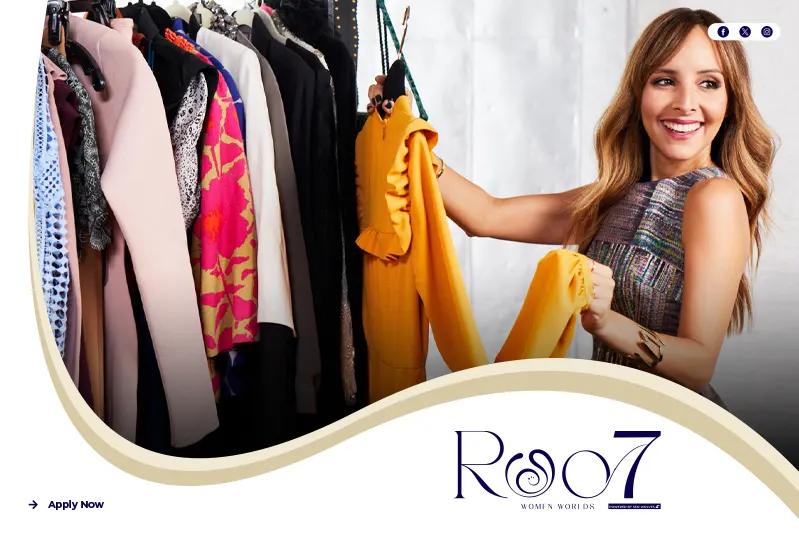
Furthermore, clothing has always been a key tool in challenging and negotiating identity. Movements advocating for gender-fluid fashion, size inclusivity, and diverse representation on the runway have turned clothing into a critical political and social battlefield. The choice of what to wear—or not wear—becomes a statement on social norms, equality, and acceptance. This is the power of Fashion and Style.

B. The Imperative of Sustainable Fashion
The most pressing challenge facing the fashion industry today is its vast environmental and social footprint. Recognized as one of the largest contributors to global pollution and emissions, the industry is under intense pressure from consumers, policymakers, and activists to embrace sustainability.

Challenges to Circularity: The current system is predominantly linear: take, make, dispose. Transitioning to a circular model—where clothes are designed for durability, reused, repaired, and recycled—requires overcoming several major hurdles. These include the higher cost of sustainable raw materials (such as organic cotton or bamboo linen), the complexity of garment disassembly for recycling (due to mixed fibers), and the general resistance to change within large, established companies. This is a challenge for all Fashion and Style.
Read more about Beauty and health
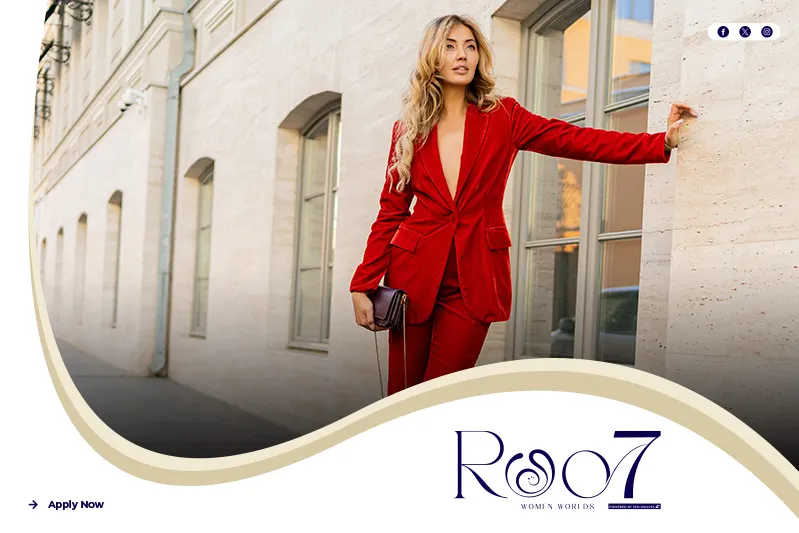
Policy and Innovation as Drivers: The future of fashion is being shaped not only by consumer demand but also by regulatory pressure. Initiatives such as the European Union’s Green Deal are imposing stricter environmental standards and greater transparency requirements on brands. Tools like the Digital Product Passport (DPP), mandated for 2026, will require detailed information on a product’s origin, materials, and repair history, empowering consumers and ensuring accountability against greenwashing.

The DPP is a critical component of the EU’s push for circularity. Functionally, it will be a digital tag—likely a QR code—attached to the garment. When scanned, it will provide consumers and recyclers with specific data, such as the exact fiber composition, the factory where it was made, repair instructions, and recycling endpoints. The challenge for brands lies in gathering this granular data, particularly from the Tier 3 and Tier 4 suppliers (chemical processors, raw material growers) who are often several steps removed from the finished product manufacturer. Achieving this level of supply chain transparency is technically complex and financially demanding, but it is essential to end the era of greenwashing—where brands make misleading environmental claims—and to facilitate true material traceability and circular design.
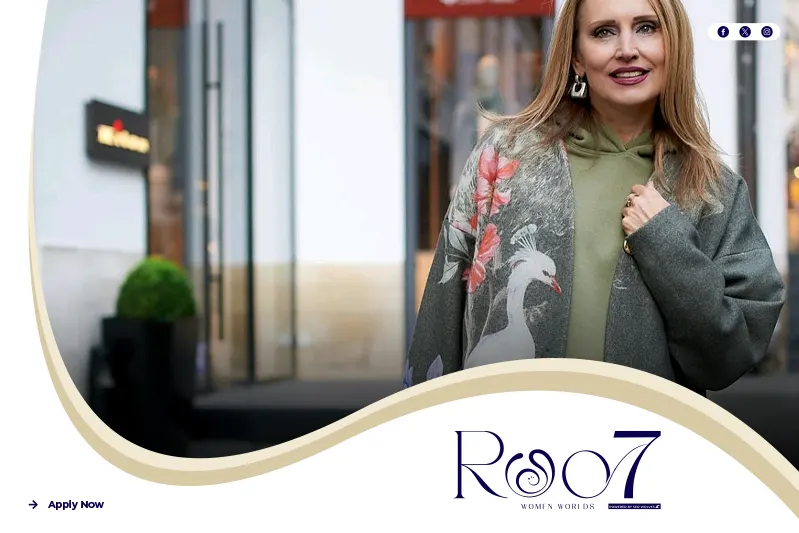
On the innovation front, biotech is revolutionizing materials with options like lab-grown leather (mycelium and bio-fabricated alternatives), which significantly reduce the environmental impact compared to traditional animal or synthetic leathers. Furthermore, AI and predictive algorithms are helping brands achieve more accurate demand forecasting, which is crucial for reducing the industry’s endemic problem of overproduction—an optimization move that can cut surplus inventory and waste by significant margins. This is the future of Fashion and Style.
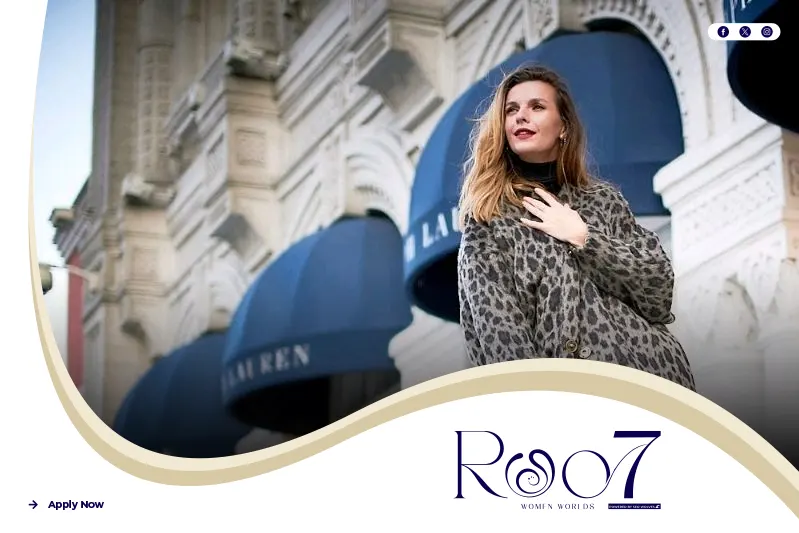
C. Fashion’s New Digital Realms
Beyond the physical supply chain, a parallel industry is emerging in the digital sphere. Digital fashion—including NFTs, virtual try-ons, and clothing designed exclusively for avatars in the metaverse—represents a new frontier for creativity and commerce.
This virtual clothing serves multiple purposes: it offers a zero-waste platform for designers to experiment wildly without material constraints; it allows consumers to express their style digitally (which is often less restrictive than physical self-expression); and it acts as a low-cost, high-engagement marketing tool for luxury houses. The creation of these garments often involves 3D modeling and rendering software, and their authenticity and ownership are secured via blockchain technology (as in the case of fashion NFTs). While still nascent, digital fashion has the potential to decouple the act of self-expression from physical consumption, offering a truly sustainable pathway for trend chasing. This is a new dimension of Fashion and Style.

The ultimate reality of fashion, therefore, is not a fixed destination but a state of constant flux. It is a continuous loop where artistic vision shapes commercial execution, which in turn fuels consumer desire, which then cycles back to influence the next wave of creativity.

The World of Fashion is truly the world we inhabit—a high-stakes laboratory reflecting our economy, our ethics, and our aspirations, draped in fabric and ready for its next radical transformation. Fashion and Style will always evolve.