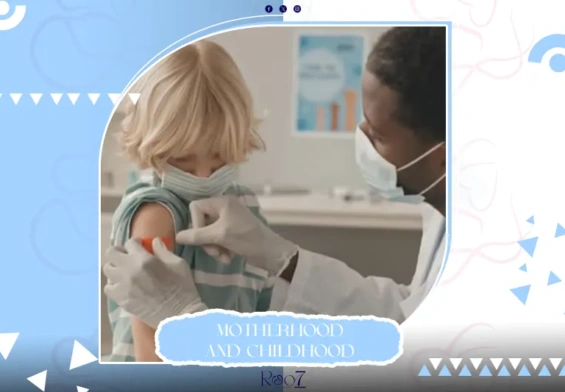


The Beginning of Motherhood: The Miracle of Life
Motherhood and Childhood represent one of the most beautiful and emotional experiences in human life. The journey begins the moment a woman discovers she is pregnant — a moment that changes her world forever. It’s a mix of excitement, fear, love, and curiosity. Every heartbeat, every small kick, and every doctor visit becomes a memory that shapes her understanding of life and love.

Pregnancy is not only a physical transformation but also an emotional and mental journey. A mother begins to build a deep connection with her baby even before birth. This bond forms the foundation of Motherhood and Childhood, where the love between mother and child grows stronger every single day.
During pregnancy, a woman’s body goes through remarkable changes. Hormones fluctuate, energy levels shift, and emotions rise and fall. But amid all these changes, there’s a sense of purpose and anticipation. Mothers often describe this stage as the time when they discover their true strength. The challenges of nausea, fatigue, and anxiety are balanced by the joy of feeling the baby move for the first time — a reminder that a new life is growing inside her.
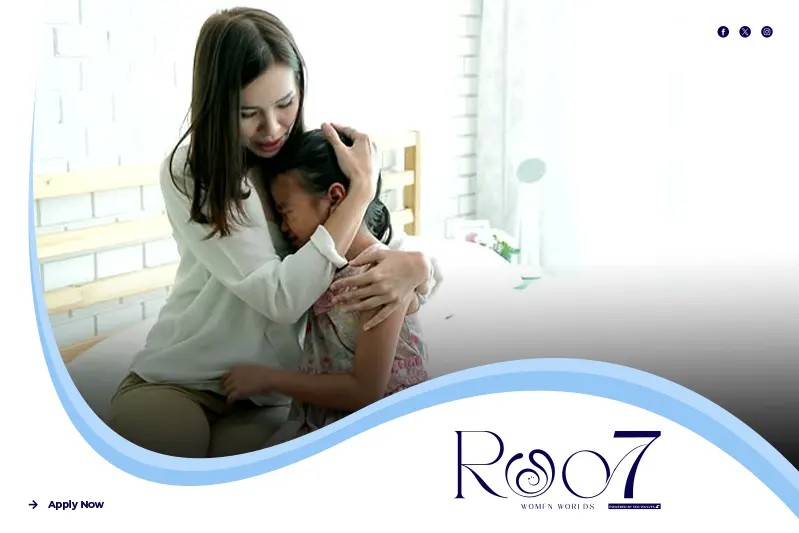
A supportive environment plays a crucial role during this phase. Family members, especially partners, can make a huge difference by offering emotional comfort and practical help. Love, patience, and understanding help make pregnancy smoother and more joyful. Motherhood and Childhood thrive best when the mother feels supported, valued, and cared for.
It’s also important for expecting mothers to take care of themselves. Proper nutrition, regular medical check-ups, gentle exercise, and enough rest are all vital. A healthy mother is the foundation of a healthy child. This is where the connection between Motherhood and Childhood becomes clear — what benefits one also benefits the other.

Emotionally, pregnancy teaches patience, resilience, and empathy. Mothers learn to listen to their bodies, to slow down, and to appreciate small moments of peace. They begin to imagine the future — holding their baby for the first time, watching them grow, and sharing countless memories together. These dreams give strength and motivation to face every challenge that comes along.
In today’s world, many mothers have access to more information than ever before — through books, websites, and social media. However, this abundance of information can also be overwhelming. It’s important to remember that every pregnancy is unique. Comparing experiences can sometimes lead to unnecessary stress. Listening to one’s own body and trusting one’s instincts are key lessons in Motherhood and Childhood.

The first phase of this journey — pregnancy — is truly magical. It’s the beginning of a lifelong story between a mother and her child. The heart learns new ways to love, and life gains deeper meaning. The beauty of Motherhood and Childhood lies in these moments of connection, anticipation, and unconditional love that start even before the baby is born.

Birth and the First Months of Life
Motherhood and Childhood reach one of their most emotional moments at birth. After months of anticipation, the first cry of the baby fills the room with indescribable joy. The mother’s heart overflows with love, relief, and sometimes tears. This is the moment when all the pain, fear, and effort of pregnancy transform into pure happiness. The bond that started during pregnancy now becomes real — a tiny life rests in her arms, completely dependent on her love and care.
The first few days after birth are filled with wonder and adjustment. Mothers experience a mix of joy and exhaustion. The body needs time to heal, and the emotions can be overwhelming. Some mothers feel instantly connected to their baby, while others need more time — and that’s perfectly normal. Every journey of Motherhood and Childhood is different, and there’s no single “right” way to feel or act.
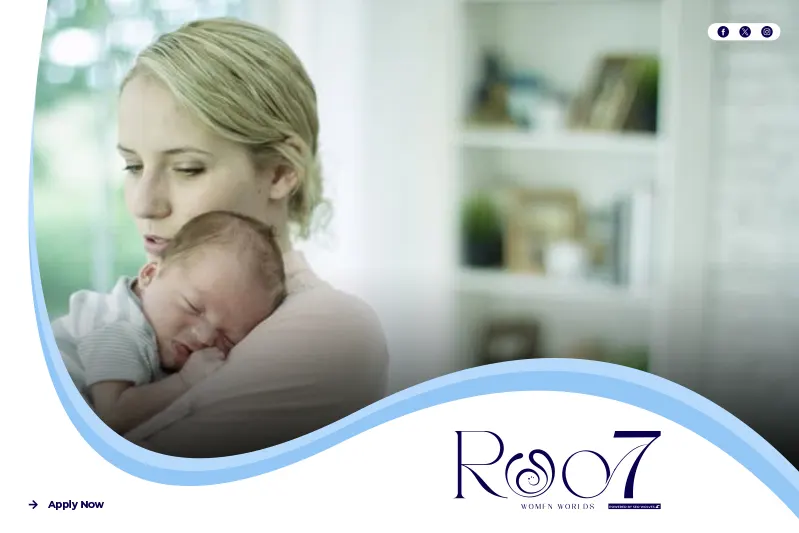
Caring for a newborn requires patience and tenderness. Babies communicate through crying, and at first, it can be difficult to understand what each cry means — hunger, discomfort, sleepiness, or simply the need to be held. Over time, mothers learn to recognize these signals and respond naturally. This process strengthens the emotional connection between mother and child, the core of Motherhood and Childhood.
Breastfeeding is another important part of this stage. It’s not only a source of nutrition but also a way to build closeness. Skin-to-skin contact, the warmth of a mother’s touch, and the rhythm of her heartbeat create a sense of security that helps the baby feel safe in the world. However, not every mother can or chooses to breastfeed, and that’s okay. What truly matters is love, care, and connection.

The first months also bring new routines — sleepless nights, frequent feeding, and constant attention. Mothers often forget to care for themselves during this time. But self-care is essential. A healthy, rested mother is better able to care for her baby. Eating well, taking short breaks, and asking for help from family or friends are simple yet powerful acts of self-kindness.
Emotionally, this stage can be challenging. Some mothers may experience “baby blues” — feelings of sadness or mood swings after giving birth. In some cases, it can develop into postpartum depression. It’s important to talk openly about these emotions and seek support if needed. Motherhood and Childhood are not about perfection; they’re about connection, understanding, and growth.

The first year of life is full of milestones — the baby’s first smile, the first time they roll over, sit up, or say “mama.” Each small achievement brings immense joy. These moments remind every mother that all her sleepless nights and tired days are worth it. They are the heartbeats of Motherhood and Childhood, moments that create lasting memories and deep love.
At this stage, the role of the father or family becomes even more important. When mothers receive emotional and practical support, they can rest, heal, and bond better with their baby. Families that work together create a peaceful and loving home — the perfect environment for Motherhood and Childhood to flourish.
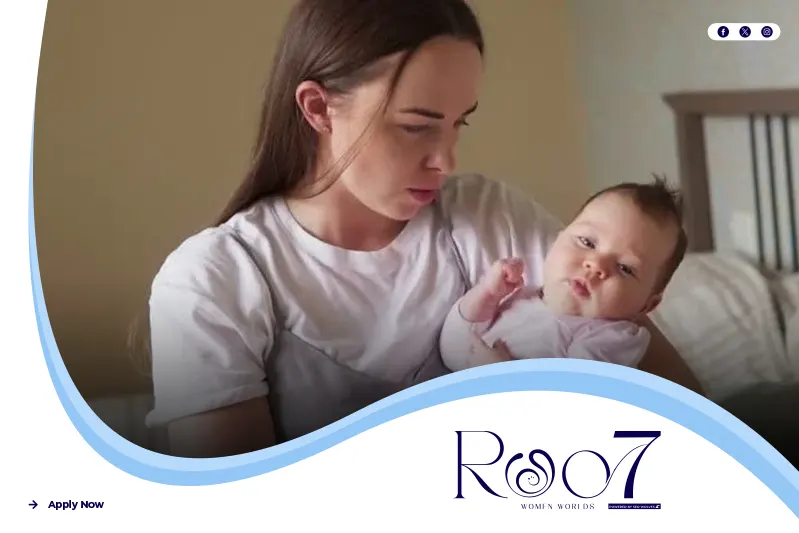
Early Childhood and Building the Child’s Personality
The next stage of Motherhood and Childhood is full of discovery — the early years of a child’s life. This is the time when babies start exploring the world around them, developing their senses, and forming their first understanding of love, trust, and safety. For the mother, it’s a period filled with both joy and responsibility. Every action, word, and gesture helps shape the foundation of the child’s personality and emotional world.
During the first few years, children learn at an incredible speed. They begin to crawl, walk, talk, and express themselves. Mothers witness countless “firsts” — the first smile, first word, first step — each one a milestone worth celebrating. These moments are precious reminders of how quickly time passes in Motherhood and Childhood.

At this stage, the emotional connection between mother and child grows even deeper. Babies and toddlers depend on consistent care, affection, and attention to feel secure. When a mother responds with love and patience, the child learns that the world is a safe place. This sense of security becomes the foundation for confidence, curiosity, and independence later in life — the true heart of Motherhood and Childhood.
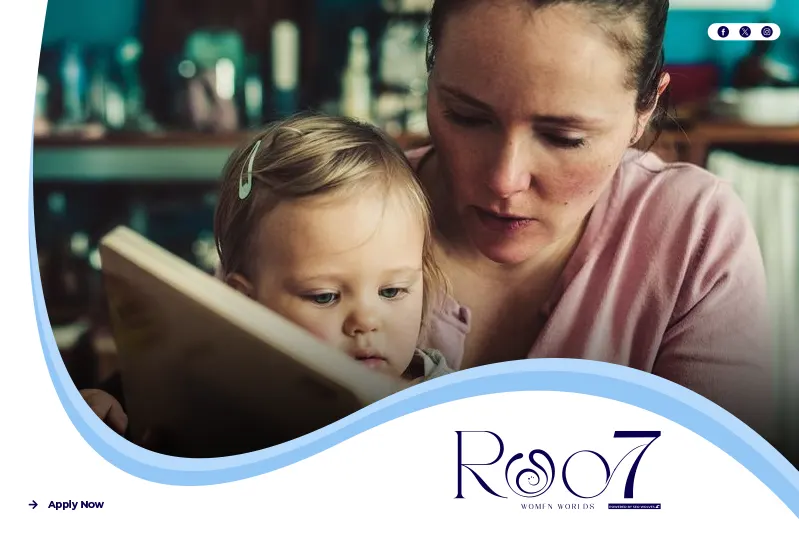
Communication plays a vital role during early childhood. Even before a child can speak clearly, they understand tone, facial expressions, and body language. Talking to children, reading stories, singing songs, and simply spending time together help develop language skills and emotional intelligence. These small interactions have a lasting impact on the bond between mother and child.

Discipline and boundaries are also essential during this stage. While children need freedom to explore, they also need gentle guidance. Setting limits with kindness teaches respect and self-control. Positive discipline — focusing on understanding rather than punishment — helps children feel loved even when they make mistakes. In Motherhood and Childhood, love and structure go hand in hand.
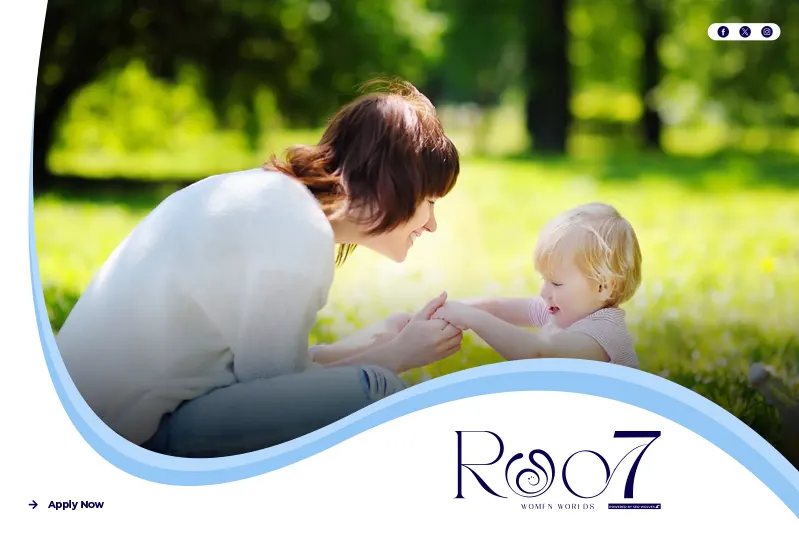
Playtime is more than just fun — it’s how children learn about the world. Through play, they develop creativity, problem-solving skills, and social awareness. Mothers who engage in play with their children strengthen their relationship while encouraging growth and learning. Every game, story, or shared laugh adds another beautiful memory to the journey of Motherhood and Childhood.

Nutrition and health remain important, too. Balanced meals, enough sleep, and regular check-ups help children grow strong and energetic. At the same time, mothers must also take care of their own health and emotional well-being. A happy mother creates a happy child. The connection between Motherhood and Childhood is not just emotional — it’s physical, mental, and spiritual.
In these early years, mothers often face challenges like balancing work and family, dealing with tantrums, or worrying about development. But it’s important to remember: perfection isn’t the goal — presence is. Being there, listening, and showing love matter more than having everything figured out. That’s the true beauty of Motherhood and Childhood — growing and learning together, one day at a time.
Later Childhood – Building Values, Confidence, and Character
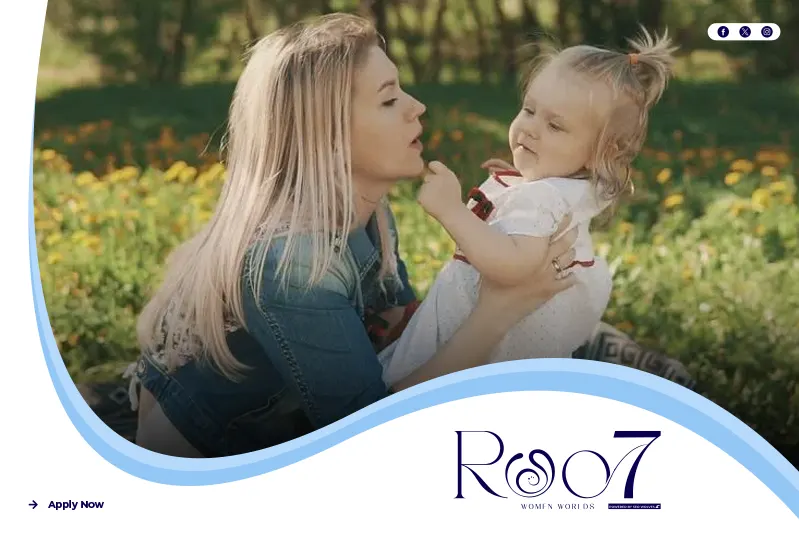
As Motherhood and Childhood continue, the child enters a new and exciting stage — later childhood, from around age six to twelve. This period is filled with curiosity, independence, and growth. Children begin to explore who they are, form friendships, and develop values that will guide them for life. For mothers, it’s a time to nurture not just the body but also the heart and mind of the child.
During this stage, the mother’s role changes slightly. She becomes not only a caregiver but also a guide and mentor. The relationship evolves — less about constant care and more about emotional support, teaching responsibility, and encouraging independence. Still, Motherhood and Childhood remain deeply connected through love, understanding, and shared experiences.

Education becomes a major part of life during these years. Mothers often help with homework, school projects, and learning routines. But beyond academics, children also learn social and emotional lessons — how to be kind, respectful, honest, and compassionate. These values are best taught through example. When children see their mothers treating others with kindness and patience, they learn to do the same. This is how Motherhood and Childhood shape future generations.
Confidence-building is another key goal in this stage. Every child needs to feel seen, heard, and appreciated. Mothers can encourage confidence by praising effort rather than just results. When a child feels supported even when they fail, they develop resilience — a strength that will serve them for life. Motherhood and Childhood are full of these moments of encouragement that build strong, self-assured individuals.

Communication becomes even more important. As children grow, they start asking deeper questions about life, right and wrong, and the world around them. Mothers who listen without judgment help their children develop emotional intelligence and critical thinking. Honest conversations build trust — a foundation that will last through teenage years and beyond.
Discipline continues to be essential but must be balanced with empathy. Setting clear rules helps children understand boundaries, but explaining why those rules exist teaches reasoning and respect. Punishment alone teaches fear; guidance teaches wisdom. This principle lies at the heart of effective Motherhood and Childhood relationships.
Read more about Weddings and Brides

This is also a time when children may face external pressures — from school, friends, or media. Mothers play a vital role in creating a safe emotional space where children can express their feelings freely. Listening, reassuring, and spending quality time together help protect the child’s mental and emotional health.
Family traditions, shared meals, and daily routines create a sense of belonging. These small acts — talking at dinner, reading bedtime stories, laughing together — build lasting memories. They are the threads that connect Motherhood and Childhood in a tapestry of love, security, and growth.

In this stage, the child starts seeing the mother not only as a caregiver but as a role model — someone to look up to, trust, and learn from. The lessons taught during these years often become the guiding light of adulthood. The influence of Motherhood and Childhood extends far beyond childhood — it shapes the person a child becomes, and the values they carry into the world.

Modern Motherhood – Balancing Responsibilities and Personal Growth
In today’s world, Motherhood and Childhood face new challenges and opportunities. Modern mothers often balance multiple roles — caregiver, professional, partner, and individual with her own dreams. The journey of motherhood in the 21st century is no longer limited to the home; it extends into workplaces, communities, and online spaces. Despite the changes, the essence remains the same — love, care, and the timeless bond between a mother and her child.
Technology and social media have reshaped how mothers learn, connect, and share experiences. There’s an abundance of advice, parenting styles, and expectations. While this can be helpful, it can also create pressure to be the “perfect mother.” But Motherhood and Childhood are not about perfection — they are about authenticity, patience, and connection. Every mother and child have their own rhythm, and that uniqueness is what makes their bond special.
One of the greatest challenges for modern mothers is finding balance. Between work, home, and self-care, many feel stretched thin. Yet balance doesn’t mean doing everything at once; it means prioritizing what matters most and giving yourself grace. It’s okay to rest, to ask for help, and to make mistakes. A mother who takes care of her mental and emotional well-being sets a powerful example for her child.
Modern motherhood also celebrates diversity. There is no single “right” way to raise a child. Some mothers stay at home, others work full-time, and some do both. Some rely on extended families, others raise their children independently. The strength of Motherhood and Childhood lies in its adaptability — in the love that finds a way no matter the circumstances.

Support networks play a huge role in today’s parenting world. Friends, family, and online communities provide encouragement and understanding. Sharing experiences helps mothers realize they are not alone in their struggles or victories. When mothers support one another, Motherhood and Childhood flourish — creating a world where empathy and connection thrive.
As children grow older, mothers often rediscover themselves. They return to old hobbies, pursue education, or start new careers. This stage shows that motherhood is not the end of personal growth — it’s part of it. A fulfilled, confident mother inspires her child to dream boldly. In Motherhood and Childhood, both mother and child evolve, learning from each other and growing together.

The Legacy and Future of Motherhood and Childhood
As we look deeper into the meaning of Motherhood and Childhood, it becomes clear that this bond is far more than a personal experience — it is the foundation of human connection and the essence of empathy. From the moment a mother first holds her child, an invisible thread is woven — one that ties generations together, linking past, present, and future.

Every society is shaped by how it nurtures Motherhood and Childhood. When mothers are supported, children thrive; and when children thrive, the world becomes more compassionate and resilient. This is why investing in the well-being of mothers and children is not only a personal or family matter, but a social responsibility. Strong mothers raise strong children, and strong children build strong communities.

The Emotional Legacy
The influence of a mother lasts far beyond childhood. Her voice, her words, and her actions echo throughout her child’s life. The gentle way she comforts, the patience she shows in difficult times, and the love she gives without expecting anything in return — these become the emotional blueprint for how her child learns to love and care for others.
Motherhood and Childhood are about emotional education as much as physical care. A child who grows up in an environment filled with affection and safety learns to trust the world. That sense of security forms the basis of empathy, courage, and emotional intelligence. The love a mother gives today becomes the kindness her child offers tomorrow.

Growth Beyond Challenges
Every mother faces moments of doubt — nights filled with worry, days when she questions if she’s doing enough. But those challenges are what make the journey real and powerful. Each obstacle teaches resilience. Each tear becomes a lesson in strength.

Modern motherhood often exists in a world that demands perfection. Social media sometimes paints unrealistic pictures of smiling babies, spotless homes, and endlessly patient parents. But real Motherhood and Childhood are messy, unpredictable, and beautifully imperfect. True love lives in the unfiltered moments — the late-night cuddles, the shared laughter, the mistakes followed by forgiveness.

It’s in those everyday experiences that both mother and child grow together. The mother learns to be patient, to adapt, to find joy in simplicity. The child learns from her resilience — that love is not about never falling, but about always getting up again.

A Universal Story
Motherhood and Childhood transcend cultures, languages, and borders. Whether in a small village or a bustling city, the essence remains the same — a mother’s love is universal. She may sing different lullabies, cook different foods, or follow different traditions, but her heart beats with the same rhythm as every other mother’s.

Across the world, we see countless forms of motherhood — biological mothers, adoptive mothers, grandmothers, sisters, and caregivers who step into the role out of pure love. Each contributes to the rich tapestry of human care. The beauty of Motherhood and Childhood lies in its inclusivity — it welcomes every act of love, no matter how unconventional.

And as the world continues to evolve, so does motherhood. Today’s mothers are advocates, educators, leaders, and dreamers. They teach their children not just how to survive, but how to think, question, and create. They are shaping a generation that understands compassion, equality, and strength in diversity.

The Eternal Cycle
One of the most profound truths about Motherhood and Childhood is that it never truly ends. Even when a child becomes an adult, the influence of a mother continues — in memories, habits, and values. A simple phrase she once said, a gesture of comfort, or a lesson in kindness may resurface years later, guiding her child through life.

And when those children become parents themselves, they carry forward that legacy — sometimes consciously, sometimes instinctively. The love that once nurtured them becomes the love they offer their own children. In this way, Motherhood and Childhood form an eternal cycle of giving, learning, and evolving — a living chain of compassion that stretches through time.

The Power of Gratitude
Gratitude is the heart of every healthy relationship, and in Motherhood and Childhood, it plays a special role. Mothers often give endlessly without expecting recognition. But a simple “thank you,” a hug, or a quiet moment of appreciation can mean more than words can express. Gratitude bridges generations, reminding us that love, though silent at times, is never forgotten.

Children who grow up in gratitude often become more empathetic and emotionally balanced adults. They understand that love is not something to be taken for granted but something to be nurtured and returned. When gratitude flows both ways — from mother to child and child to mother — it strengthens the bond that defines them both.

Looking to the Future
The future of Motherhood and Childhood holds both challenges and hope. As technology advances and societies change, new forms of connection and care will emerge. Virtual support groups, online education, and awareness campaigns already help mothers across the globe access guidance and community. But amid all these changes, the essence will always remain human.

No matter how modern the world becomes, no screen or device can replace the warmth of a mother’s embrace or the sparkle in a child’s eyes. The future of humanity will always depend on this bond — on the power of unconditional love that begins with Motherhood and Childhood.

A Final Reflection
To every mother — your love is your greatest gift to the world. To every child — your existence is your mother’s greatest reward. Together, you form a story that is both ancient and ever new.
Motherhood and Childhood are not just stages of life; they are the soul of life itself. They teach us what it means to care, to give, and to grow. They remind us that love — the kind that wakes in the middle of the night, that sacrifices quietly, that believes endlessly — is the truest force in the universe.

And so, the journey continues — in every heartbeat, every cradle song, every lesson passed down through generations.
The world moves forward because of mothers and children — the eternal dance of love, hope, and humanity.