
Introduction: The Home as a Personal Sanctuary
In the contemporary world, the concept of “home” has undergone a profound and meaningful evolution. It has transcended its traditional role as a mere physical shelter to become a deeply personal sanctuary—a space that not only houses our bodies but also nurtures our minds and reflects our innermost selves. The way we approach Home and Decor is no longer just about following fleeting trends or achieving a picture-perfect aesthetic for guests. Instead, it has become a holistic and intentional practice, a form of self-expression and a crucial tool for well-being. The modern home is a living, breathing extension of our identity, our values, and our aspirations. It is the curated backdrop against which our lives unfold.
This significant shift is intrinsically linked to a broader evolution in the modern Lifestyle. In an era characterized by constant connectivity, digital noise, and a blurring of the lines between public and private life, we have come to crave a personal haven—a place where we can disconnect, recharge, and be authentically ourselves. This has elevated the importance of interior design from a superficial pursuit to a fundamental aspect of a balanced and intentional life. Thoughtful Home and Decor is now seen as a form of self-care, a way to create an environment that actively supports our mental and emotional health. The trends that dominate today are not just about what looks good, but what feels good. They prioritize comfort, functionality, and a deep connection to the natural world. This guide will explore the most influential modern ideas that are shaping our living spaces, offering inspiration for creating a home that is not just stylish, but is also a true sanctuary for the soul, a perfect alignment of thoughtful Home and Decor and a fulfilling modern Lifestyle.
The New Minimalism: Warmth, Texture, and “Quiet Luxury”
For years, minimalism was defined by a stark, almost clinical aesthetic—think cold white walls, sharp angles, and an absence of personal objects. While the core principle of “less is more” remains, the new minimalism of 2025 has a completely different heart. It is warm, inviting, and deeply textural, a philosophy often referred to as “quiet luxury.” This approach isn’t about showcasing wealth through logos or opulence; it’s about investing in high-quality, timeless pieces, natural materials, and impeccable craftsmanship. This sophisticated evolution of Home and Decor focuses on creating a sense of serene, understated elegance that feels both luxurious and livable.
The Importance of Tactile Textures
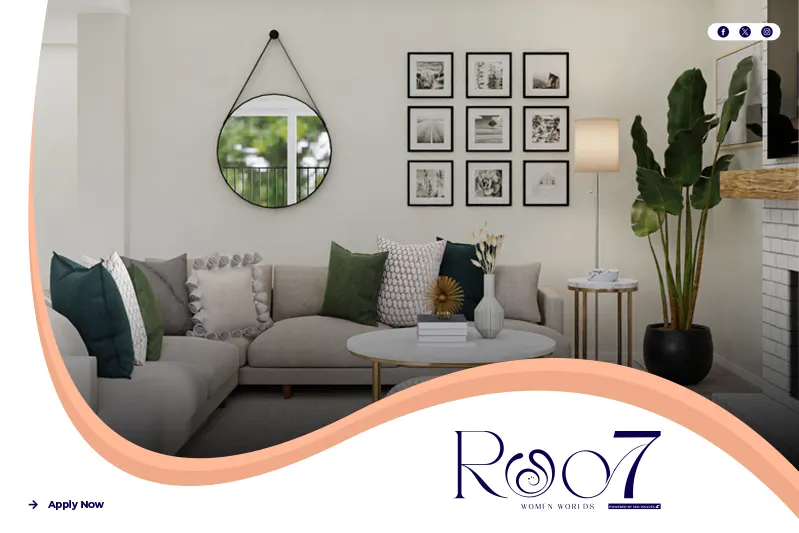
The key to achieving this warm minimalism lies in a rich and varied palette of textures. The focus is on creating a sensory experience, a space that is as pleasing to the touch as it is to the eye. Soft, curvy furniture upholstered in cozy, nubby fabrics like bouclé or rich velvet invites you to sit and relax. Walls are given depth with limewash or plaster finishes that have a soft, matte texture. Natural materials are celebrated for their inherent imperfections and tactile qualities: the gentle grain of a light oak cabinet, the cool, veined surface of a travertine coffee table, or the soft, rumpled feel of linen bedding. This focus on texture is a direct response to a screen-saturated Lifestyle, offering a tangible, real-world antidote to the flatness of our digital lives. These carefully chosen elements in Home and Decor transform a simple room into a rich, layered environment.
A Curated Color Palette
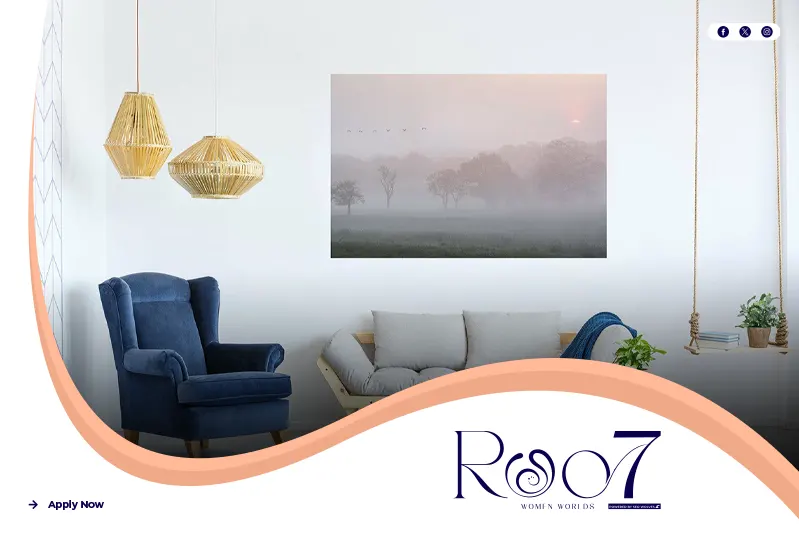
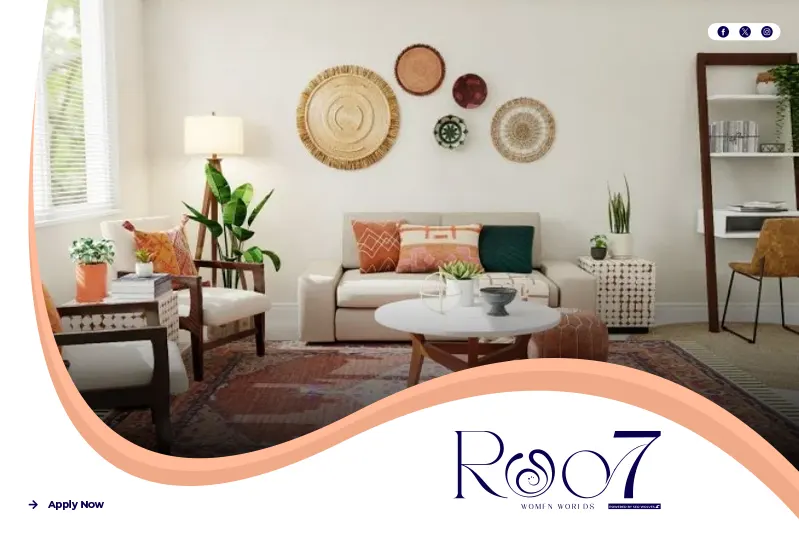
The old minimalist palette of stark white and cool gray has been replaced by a much warmer, earthier, and more sophisticated range of colors. The new neutrals are drawn from the natural world, creating a sense of calm and grounding. Think of shades like warm beige, soft taupe, creamy off-white, and muted mushroom. These are complemented by rich, nature-inspired accent colors like terracotta, olive green, deep ochre, and chocolate brown. This color scheme is intentionally soothing, designed to create a restful atmosphere that helps reduce stress and anxiety. It reflects a shift in our collective Lifestyle towards wellness and mindfulness, where our home environment is expected to contribute positively to our mental state. This thoughtful use of color is a core principle of modern Home and Decor, proving that minimalism can be both cozy and chic.
Biophilic Design: Bringing the Outdoors In
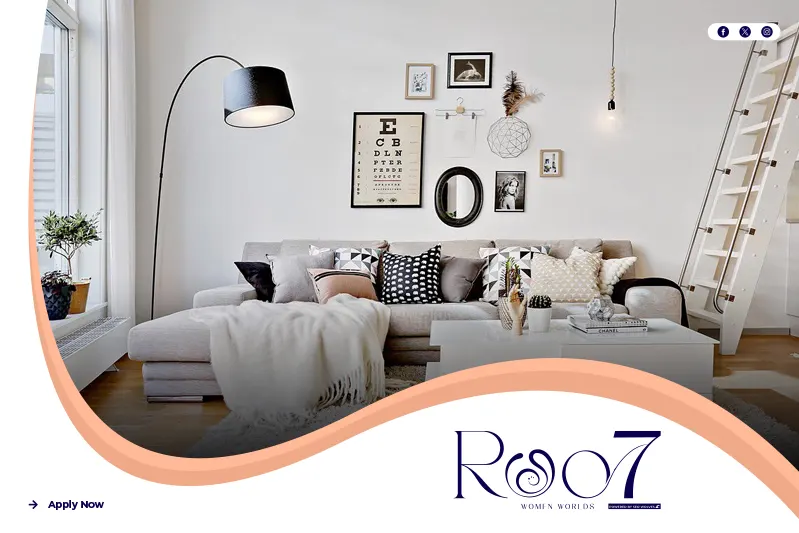
One of the most powerful and enduring trends in contemporary design is biophilia, which is rooted in the idea that humans have an innate need to connect with nature. Biophilic design seeks to forge this connection within our built environments, and its principles have become central to modern Home and Decor. The positive impact of incorporating natural elements into our homes is well-documented, with studies showing it can reduce stress, improve cognitive function, and enhance creativity. This makes it a perfect match for a health-conscious Lifestyle.
The Power of Greenery and Natural Light
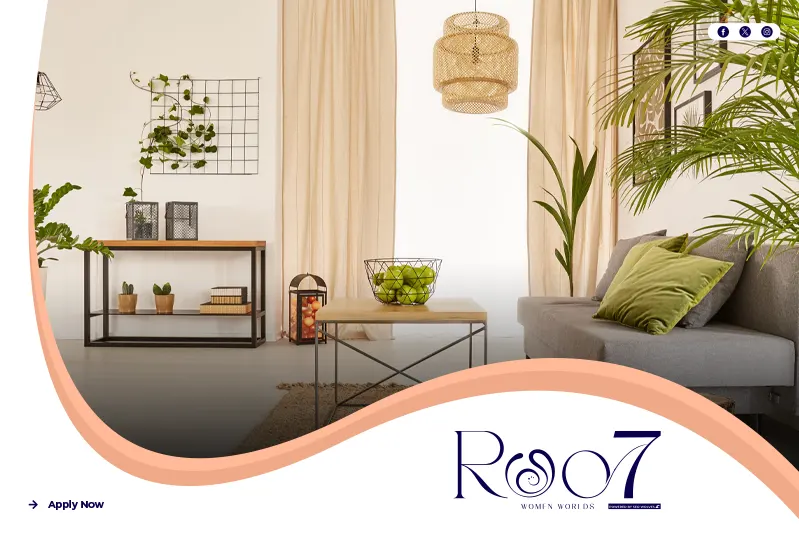
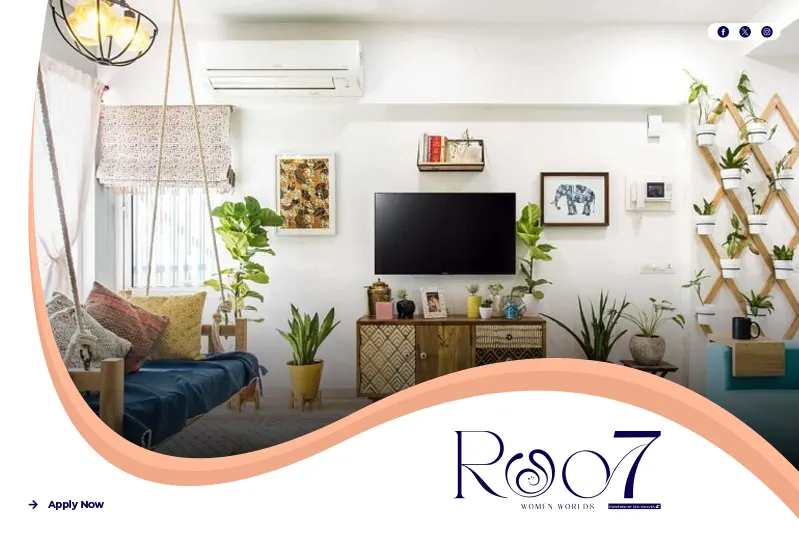
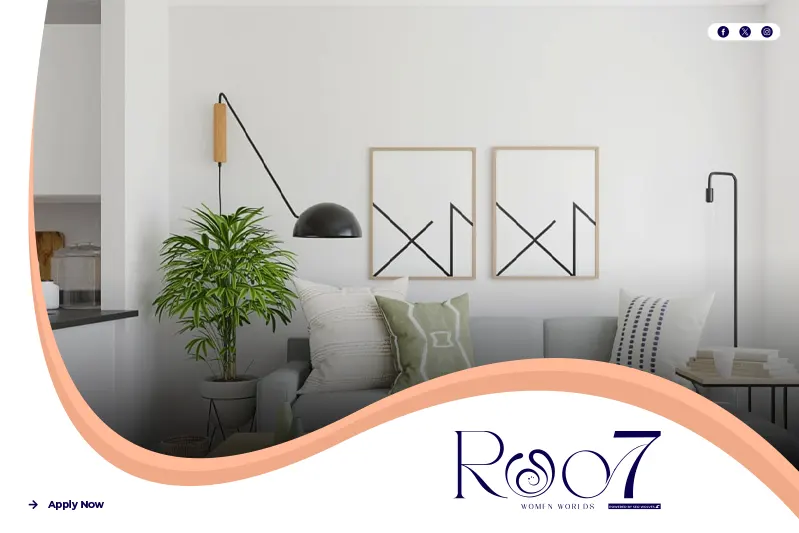
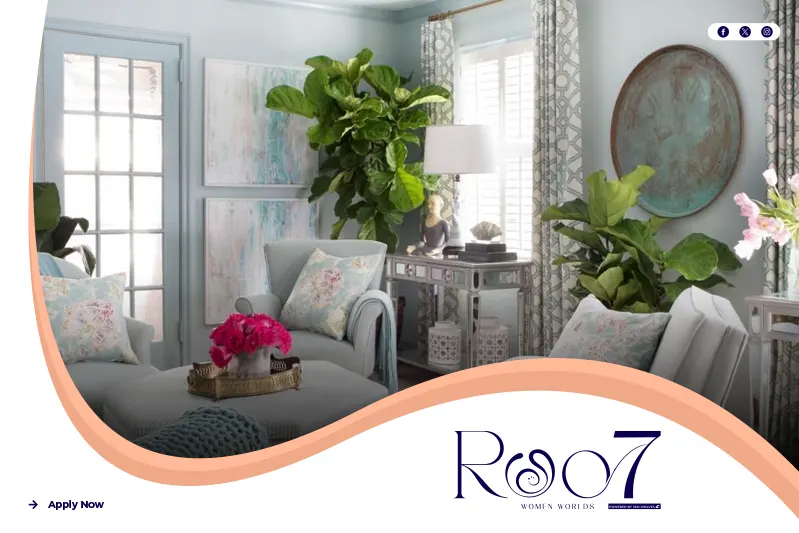
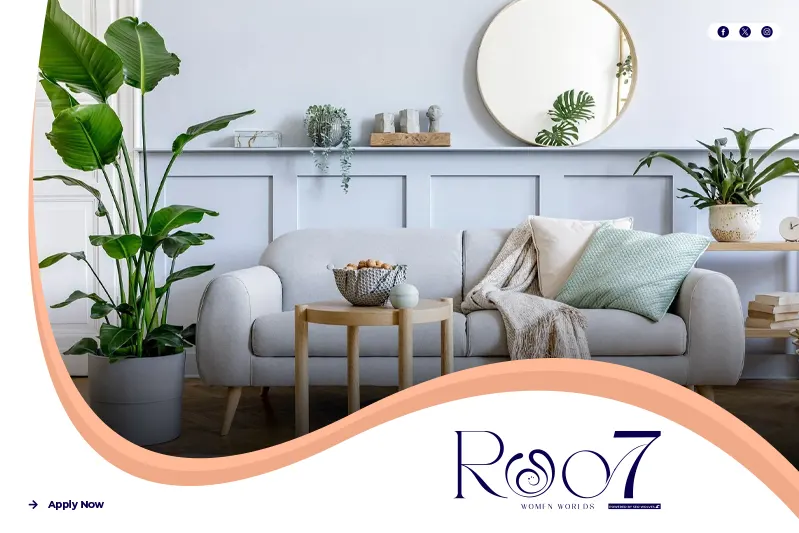
The most direct way to embrace biophilic design is by filling your home with living plants. This goes far beyond placing a single succulent on a windowsill. The modern approach is to create lush, layered arrangements of greenery, from large, architectural statement plants like a Fiddle-Leaf Fig or a Bird of Paradise to trailing plants like Pothos that cascade down from shelves. Maximizing natural light is another crucial element. Heavy, opaque drapery is being replaced with light, airy linen or sheer curtains that allow sunlight to filter in while still providing privacy. Strategically placing mirrors to reflect light and views of the outdoors can also make a space feel brighter and more connected to its surroundings. This is a fundamental and accessible trend in Home and Decor.
Natural Materials and Organic Shapes
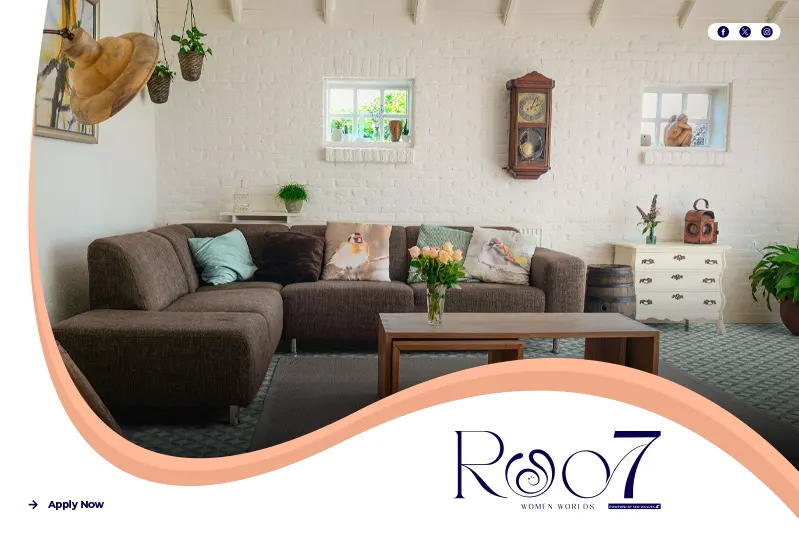
Biophilic design also extends to the materials and shapes we choose for our furniture and finishes. There is a strong emphasis on using sustainable and natural materials like wood, bamboo, rattan, cork, and jute. These materials bring a sense of warmth and authenticity to a space. Alongside these materials is a love for organic, curved shapes that mimic the soft, flowing lines found in nature. Sofas with rounded edges, coffee tables with amoeba-like forms, and arched doorways and mirrors are replacing the hard, straight lines of the past. This approach to Home and Decor softens spaces, making them feel more gentle and inviting. It is a design philosophy that reflects a sustainable Lifestyle choice, connecting us not just to the aesthetics of nature, but to its materials as well. This profound trend in Home and Decor is not just a passing fad; it’s a fundamental shift in how we want to live.
The Multifunctional Home: Designing for a Hybrid Lifestyle
Our homes have never had to work harder. In recent years, they have transformed from places of rest into dynamic hubs for work, fitness, education, and entertainment. This evolution is a direct result of a global shift in our Lifestyle towards remote and hybrid work models. This has presented a new and exciting challenge for the world of Home and Decor: how to create spaces that are flexible, functional, and beautiful, capable of seamlessly transitioning between different activities.
Creating Dedicated “Zones” with Smart Design
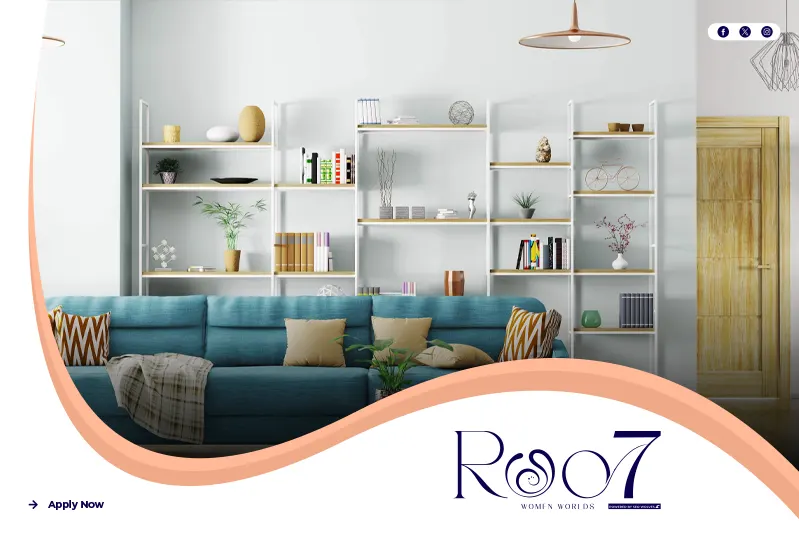
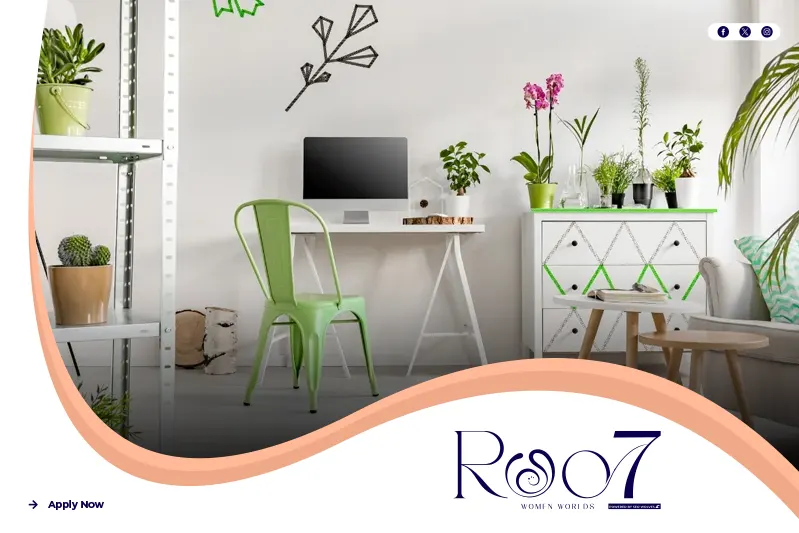
In open-plan living spaces, the key to maintaining a sense of order and purpose is to create distinct functional “zones.” This doesn’t require building walls. Instead, smart design tricks can be used to delineate different areas. A large area rug can anchor a living room zone, visually separating it from a dining area. An open-backed shelving unit can act as a permeable screen, creating a sense of separation for a home office nook without blocking light. Even a change in wall color or the strategic placement of a large plant can signal a transition from one functional zone to another. These practical Home and Decor solutions are essential for making a single room serve multiple purposes effectively.
The Rise of “Cloffices” and Flexible Furniture
For those living in smaller spaces, innovation is key. The “cloffice” (a closet that has been converted into a compact office) has become a hugely popular solution, allowing work materials to be neatly hidden away at the end of the day. The demand for flexible, modular, and multi-purpose furniture has also skyrocketed. Think of modular sofas that can be reconfigured to suit different occasions, nesting coffee tables that can be separated for guests, and elegant ottomans that provide both extra seating and hidden storage. This clever approach to Home and Decor is all about maximizing utility without sacrificing style. This focus on adaptability is a key consideration for a flexible modern Lifestyle.
The Statement Piece: Personality and Artisanal Craft
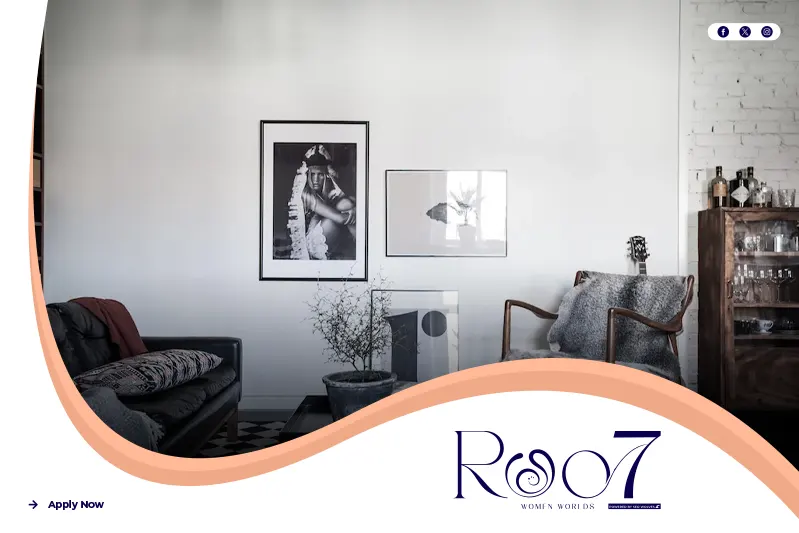
While the foundation of a modern home may be calm and neutral, it is by no means boring. The contemporary approach is to build this serene base and then inject personality, color, and story through the careful selection of bold, unique statement pieces. This curated method is a sophisticated and deeply personal approach to Home and Decor, allowing the homeowner’s individuality to shine.
The Allure of Vintage and Secondhand Finds
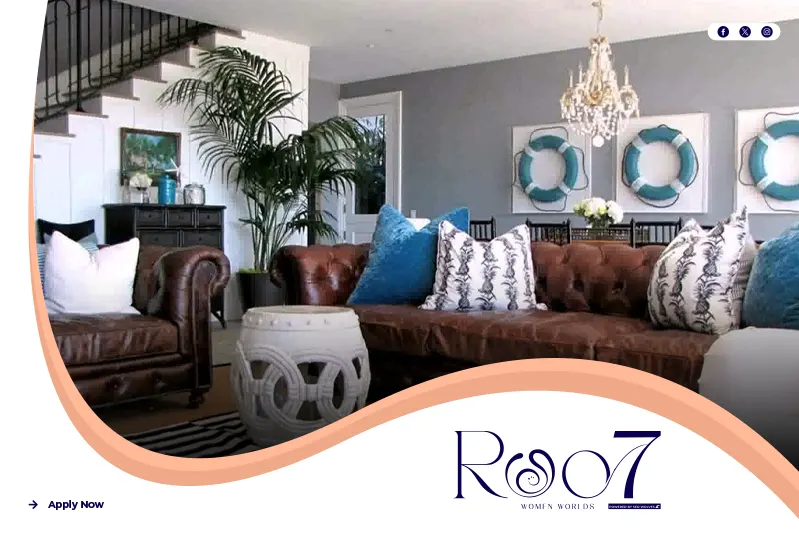
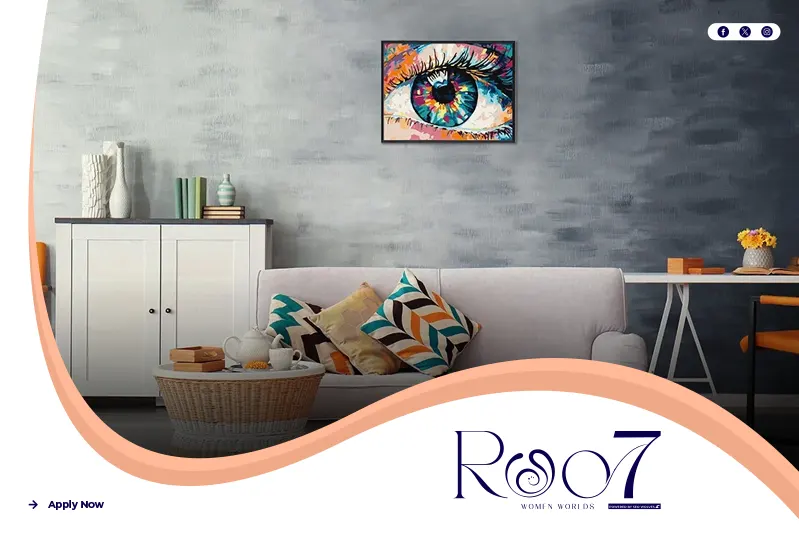
There is a growing appreciation for the beauty and sustainability of vintage and secondhand furniture. The trend is to thoughtfully mix modern pieces with unique finds from the past, creating a space that feels layered, timeless, and full of character. A vintage armchair with a beautiful patina, a mid-century modern credenza, or an antique mirror can bring a sense of history and soul to a room that brand-new items simply cannot. This approach reflects a conscious consumer Lifestyle that values sustainability and rejects the throwaway culture of fast furniture. It’s a smart and stylish way to elevate your Home and Decor.
Investing in Art and Handcrafted Objects
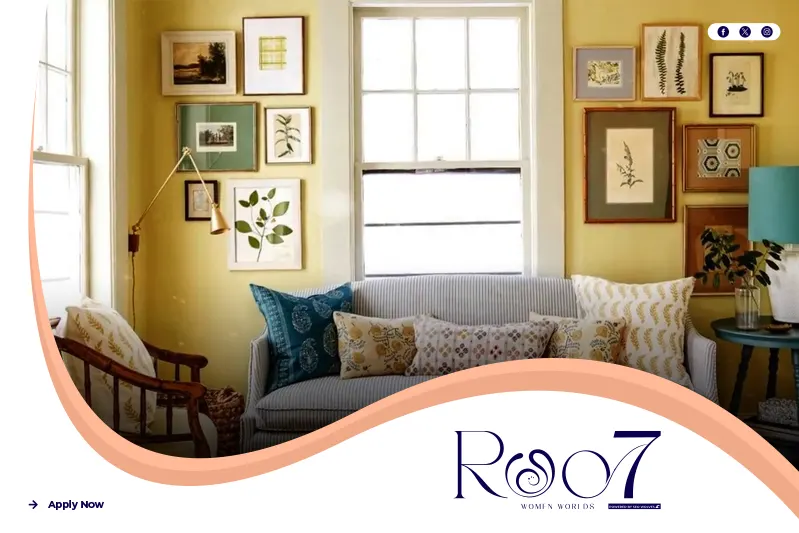
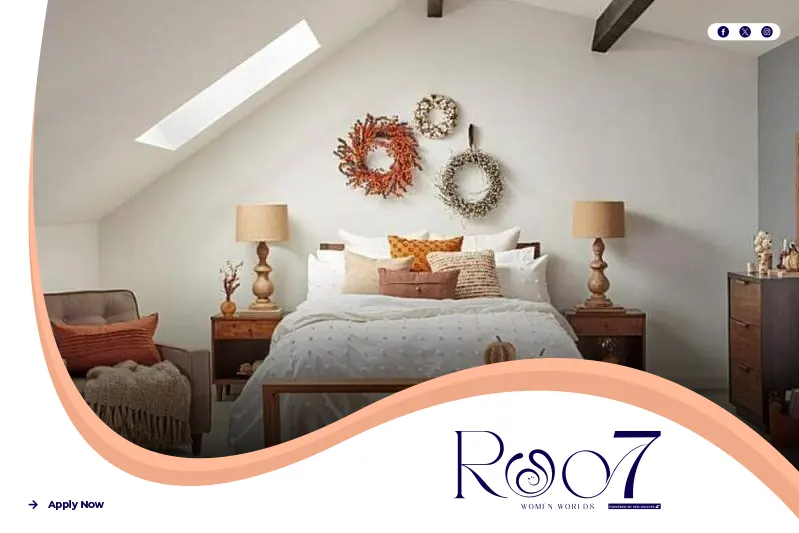
Nothing makes a home feel more personal than the art that adorns its walls. This doesn’t have to mean investing in expensive fine art. A large-scale abstract canvas can serve as a stunning focal point, while a curated gallery wall of smaller prints, photographs, and personal mementos can tell a rich and intimate story. Beyond the walls, there is a major trend towards celebrating artisanal craft. Handmade ceramics with organic shapes, hand-woven textiles, and custom-made lighting from independent artisans are highly sought after. These unique, one-of-a-kind elements are what make Home and Decor truly special. The process of discovering and curating these objects is a rewarding hobby and a central part of the modern design-conscious Lifestyle. A single great piece of art or a unique handcrafted vase can define the entire Home and Decor of a room.
Smart Technology, Seamlessly Integrated
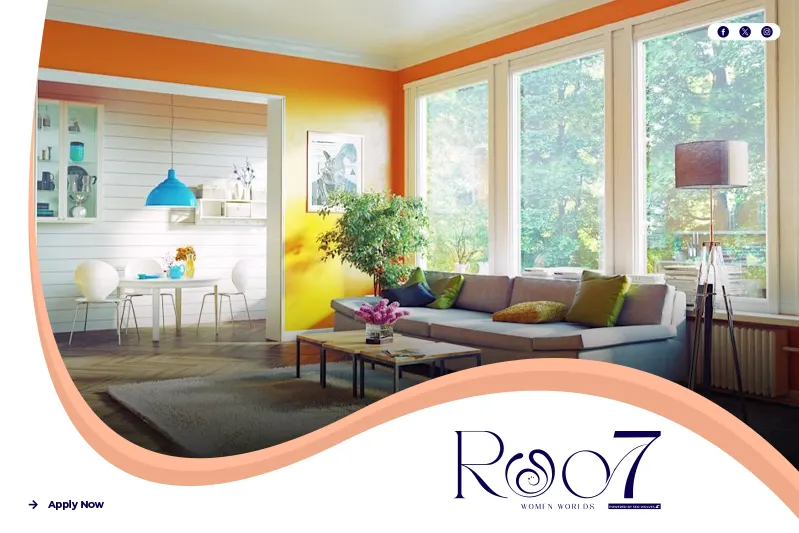
In 2025, technology is an inescapable part of our lives, but its role in the home has become much more sophisticated. The trend is moving away from clunky, conspicuous gadgets towards smart technology that is seamlessly and almost invisibly integrated into our living spaces. This is where cutting-edge technology meets elegant Home and Decor.
The “Invisible” Smart Home
The ultimate goal of the modern smart home is to enhance our lives without creating visual clutter. Smart lighting systems can be programmed to shift in color and intensity throughout the day, supporting our natural circadian rhythms. Sleek, minimalist thermostats learn our habits to save energy without any effort on our part. High-fidelity speakers are now being cleverly disguised as art frames, bookshelves, or even lamps. This thoughtful integration of technology is a hallmark of a truly modern Lifestyle, where convenience and aesthetics go hand-in-hand.
Wellness Tech in the Home
The intersection of health and technology is also having a major impact on our living spaces. Air purifiers that are so beautifully designed they look like sculptures are becoming common. Smart aromatherapy diffusers can be programmed to release calming scents at bedtime. Even our lighting can be a tool for wellness, with systems designed to mimic natural daylight. This shows how the world of Home and Decor is merging with the booming health and wellness industry. This focus on well-being is a key investment for a health-conscious approach to Home and Decor, proving that a beautiful home can also be a healthy one.
Conclusion: Curating a Home That Nurtures and Inspires
In conclusion, the most compelling modern Home and Decor ideas for 2025 are driven by a desire to create spaces that are not just aesthetically pleasing, but that also actively nurture and inspire us. The key themes are a return to warmth and texture, a deep and meaningful connection with the natural world, a clever approach to functionality in our hybrid lives, a celebration of personal stories through unique objects, and the seamless integration of helpful technology. The ultimate goal is to move beyond creating a house that simply looks like it belongs in a magazine, and instead, to curate a home that feels like a true reflection of who we are. The best Home and Decor is that which feels authentic, personal, and deeply comforting. The final aim of all thoughtful Home and Decor is to build a beautiful, functional, and supportive foundation for a happier, more balanced, and more stylish life