
Introduction: A Journey for the Senses from Your Own Kitchen
As this pleasant October Sunday evening descends upon Cairo, the world feels both vast and intimately accessible, especially from the comfort of one’s own kitchen. In an age of unprecedented global connection, one of the most profound and joyful ways we can explore different cultures is through their food. The study and appreciation of international cuisines is more than just a hobby for foodies; it is a delicious and deeply humanizing pursuit that opens our minds, broadens our palates, and connects us to the shared stories of humanity. Each dish tells a story of history, geography, and tradition, a narrative passed down through generations and perfected in countless homes. This culinary exploration is a journey that requires no passport, only a curious palate and an open heart.
The very concept of a global menu, once a novelty, has become a cherished part of modern life. We are fortunate to live in a time where the flavors of the world are not just within reach, but are actively celebrated and sought after. This has led to a greater appreciation for the diversity and complexity of the world’s food traditions. This guide is a celebration of that diversity. It is a curated tour of some of the world’s most beloved international cuisines, a look into what makes them so unique, so enduring, and so universally adored. We will travel from the rustic, sun-drenched tables of Italy to the precise, artful presentations of Japan, and through the vibrant, spice-laden landscapes of India. Our exploration of these remarkable international cuisines will not just examine iconic dishes, but will also touch upon the philosophies that shape them. It is a reminder that while every culture’s food is unique, the act of preparing and sharing a meal is a universal expression of love and community.
The Heart of Europe: Italian Cuisine’s Rustic Elegance
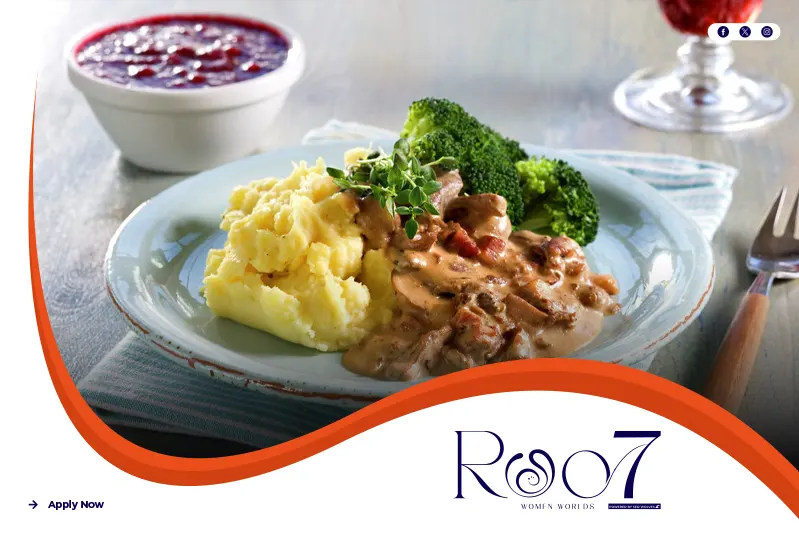
When one begins a journey through the world’s most popular food cultures, Italy is very often the first and most passionate stop. There is a universal, soul-satisfying appeal to Italian food that makes it one of the most cherished of all international cuisines. Its philosophy is deceptively simple: use a few of the highest quality ingredients possible and let them shine. It is a cuisine built on respect for produce, regional pride, and the central role of the family table. It is less about complex techniques and more about a deep, intuitive understanding of flavor.
The Sacred Trinity: Pasta, Tomatoes, and Olive Oil
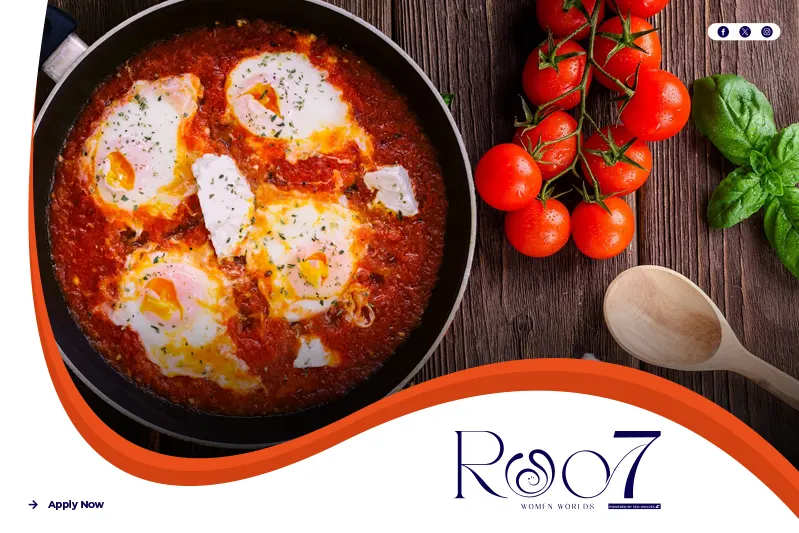
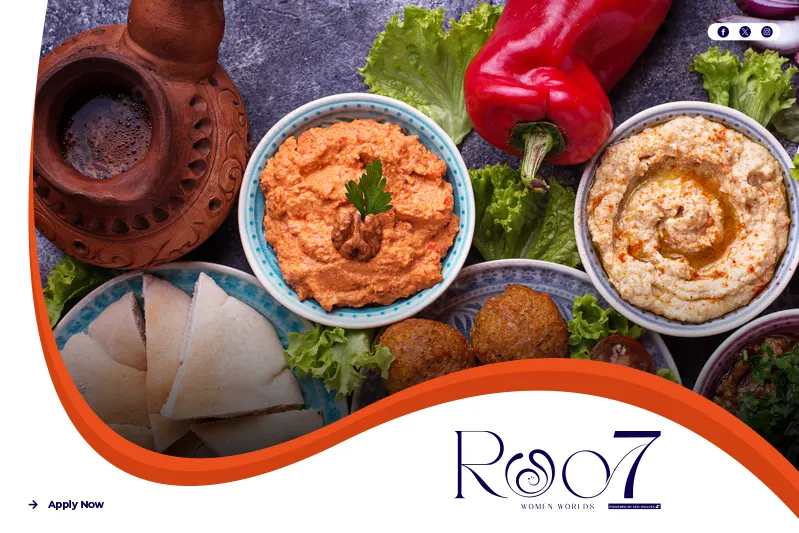
At the heart of the Italian culinary identity lies a holy trinity of ingredients. Pasta, in its hundreds of glorious shapes, is the canvas. The tomato, introduced from the Americas, was embraced with a passion that would make it inseparable from the Italian kitchen. And olive oil, the liquid gold of the Mediterranean, is the lifeblood that ties it all together. From the simple, perfect harmony of a Spaghetti al Pomodoro to the rich, slow-simmered complexity of a Bolognese, the principles remain the same. The goal is balance and allowing the quality of each component to be tasted. This ingredient-focused approach is what makes it stand out amongst many other international cuisines. A true Italian kitchen is often not filled with countless gadgets, but with exceptional ingredients.
The Power of Regionality
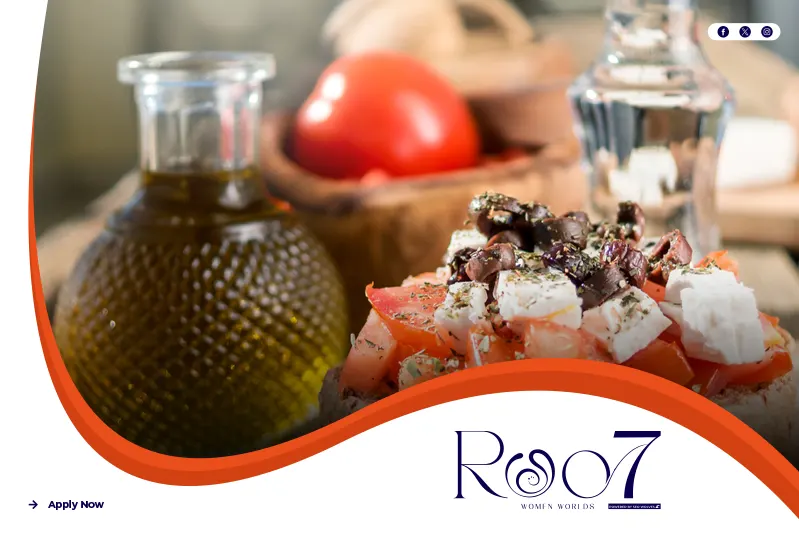
To speak of a single “Italian cuisine” is to do it a great disservice. Italy is a fiercely regional country, and its food is a direct reflection of its diverse geography and history. The north favors rich, hearty dishes with butter, polenta, and risotto. The central regions, like Tuscany, are famous for their rustic bean dishes, cured meats, and high-quality beef. The south, with its abundant sunshine, is the heartland of dried pasta, vibrant tomato sauces, and incredible seafood. This profound regionality is a key characteristic that adds incredible depth to the study of international cuisines. Exploring these regional differences is a lifelong and delicious pursuit, a testament to the idea that the most authentic food is always local.

The Soul of Asia: The Precision and Purity of Japanese Cuisine
From the rustic passion of Italy, we travel to a culinary world defined by precision, balance, and a deep reverence for aesthetics: Japan. Japanese cuisine, or washoku, is built on a philosophy of harmony and respect for the natural seasons. It is often considered one of the most sophisticated and artful of all international cuisines, where the presentation of a dish is just as important as its flavor. The goal is to highlight the natural taste of an ingredient in its purest form.

The Art of Simplicity and Balance
The Japanese kitchen is a place of discipline and artistry. The guiding principle is to subtract rather than to add. Instead of complex sauces that mask the flavor of an ingredient, Japanese cooking uses techniques like steaming, grilling, and simmering to enhance its natural essence. The concept of umami, the fifth taste, is central, often derived from ingredients like kombu (kelp) and bonito flakes, which form the base of the ubiquitous dashi broth. A typical meal is designed to be a balanced composition of flavors, colors, and cooking methods, creating a holistic and deeply satisfying experience. Few international cuisines place such a strong emphasis on this level of meticulous balance and visual harmony.
From Sushi to Ramen: Iconic Dishes
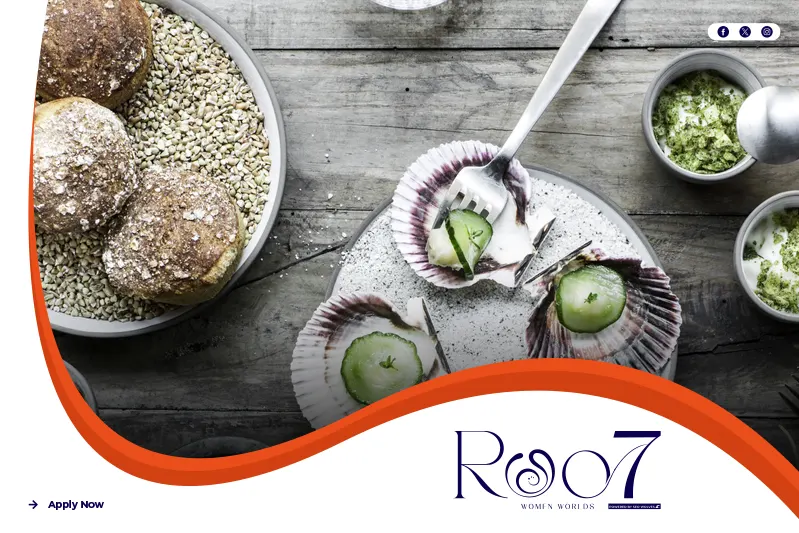
While the world of Japanese food is incredibly vast, a few iconic dishes have become global ambassadors. Sushi and sashimi are perhaps the most famous, a testament to the Japanese mastery of fish and the art of the perfect cut. It is the ultimate expression of the cuisine’s minimalist philosophy. Tempura, with its impossibly light and crispy batter, showcases a deep understanding of texture. And ramen, a humble noodle soup elevated to an art form, has become a global obsession, with chefs dedicating their lives to perfecting the complex, soul-warming broth. The global popularity of these dishes has made Japanese food one of the most influential international cuisines of the modern era.
A Symphony of Spice: The Complexity of Indian Cuisine
Our culinary journey now takes us to the vibrant, fragrant, and incredibly diverse subcontinent of India. To explore Indian food is to embark on an adventure of bold flavors and complex spice blends. It is a cuisine that is at once ancient and dynamic, with a depth and regional variety that is truly staggering. Among all international cuisines, it is perhaps the most masterful in its use of spices, transforming simple ingredients into complex and unforgettable dishes.
The Mastery of Spice Blending
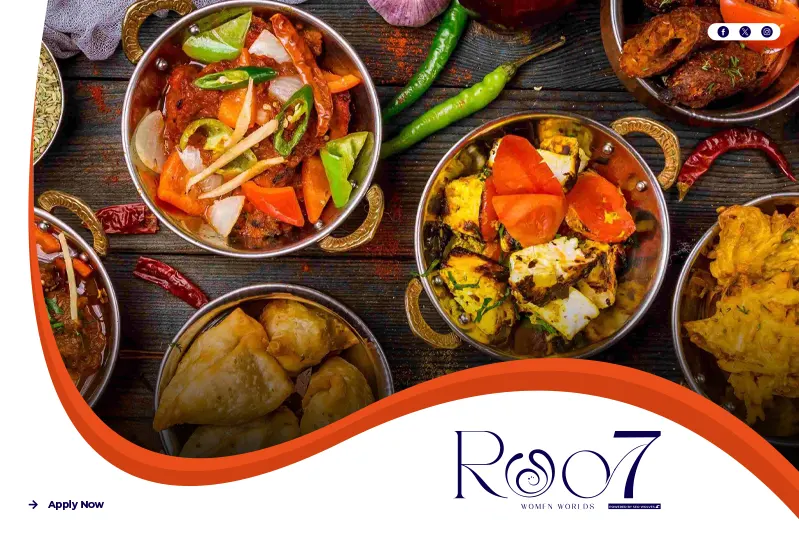
The soul of Indian cooking lies in the artful blending of spices. An Indian kitchen is a fragrant laboratory, and the spice box, or masala dabat, is its heart. Spices like turmeric, cumin, coriander, cardamom, and chili are used not just for flavor, but for their color, aroma, and medicinal properties. Each region has its own signature spice blends, or masalas, which form the foundation of its dishes. The ability to toast, grind, and layer these spices to create a harmonious and complex flavor profile is a skill honed over generations. This incredible complexity sets it apart from many other international cuisines.

A Celebration of Vegetarian Cooking
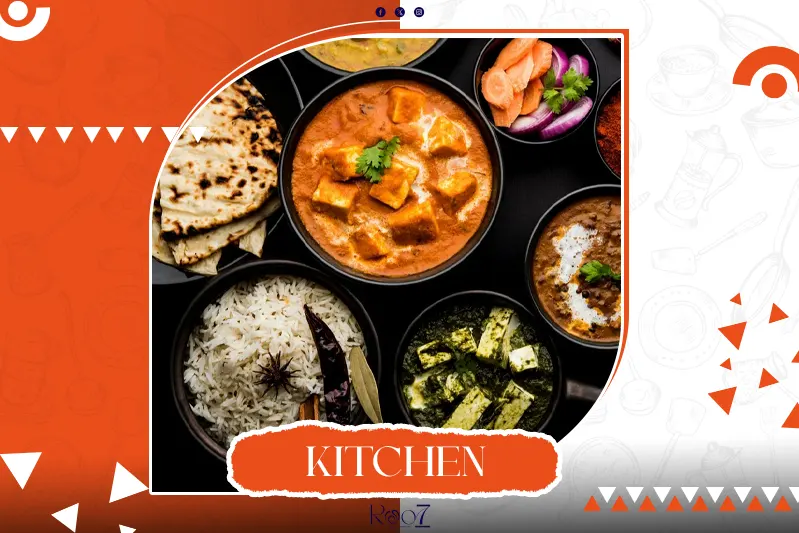
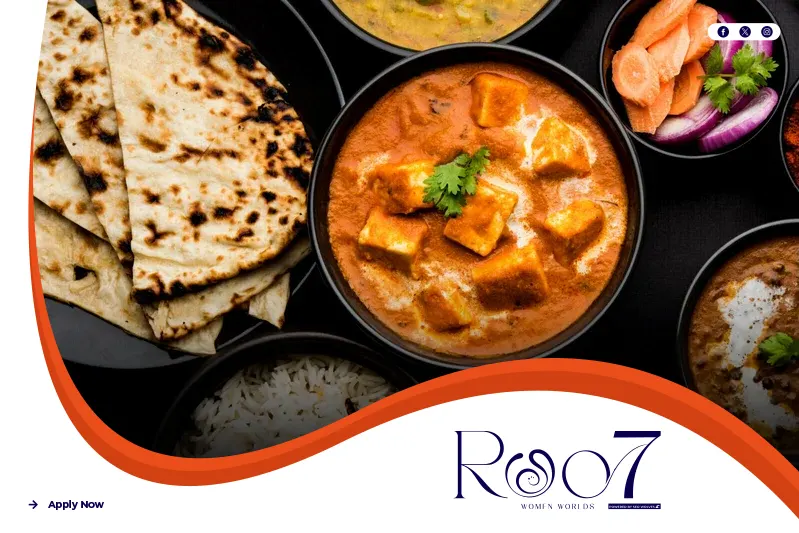
India is home to one of the richest and most diverse vegetarian food traditions in the world. Driven by cultural and religious practices, a significant portion of the population follows a vegetarian diet, which has led to an incredible level of innovation in plant-based cooking. Dishes like dal (lentil stew), chana masala (chickpea curry), and palak paneer (spinach with cheese) are not mere side dishes; they are hearty, flavorful, and deeply satisfying main courses in their own right. The Indian kitchen has perfected the art of making vegetables the star of the show, a lesson that many other international cuisines are now beginning to embrace. The global rise in plant-based eating has shone a much-deserved spotlight on the brilliance of Indian vegetarian food.
The Freshness of the Mediterranean: Greek and Levantine Cuisines
Moving westward, we arrive in the sun-drenched lands of the Mediterranean. Here, we find a family of international cuisines that celebrate freshness, simplicity, and the joy of communal eating. The cuisines of Greece and the Levant (which includes countries like Lebanon, Syria, and Palestine) share a common culinary language built on olive oil, fresh vegetables, legumes, fragrant herbs, and grilled meats. For those of us here in Cairo, these flavors are both familiar and beloved.
The Philosophy of Meze and Shared Plates
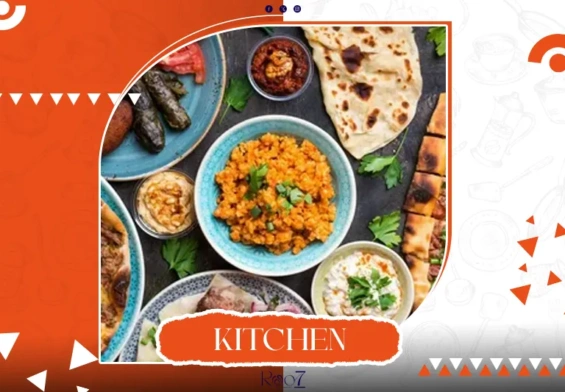
A central tenet of this culinary region is the concept of meze, a collection of small dishes served at the beginning of a meal. From creamy hummus and smoky baba ghanoush to fresh tabbouleh and tangy tzatziki, these dishes are meant to be shared, encouraging conversation and a relaxed, communal dining experience. This social aspect of eating is a defining characteristic of these wonderful international cuisines. The meal is not just about the food; it’s about the connection between the people sharing it. The Mediterranean kitchen is a social space, a hub for family and friends.
Healthy, Vibrant, and Flavorful
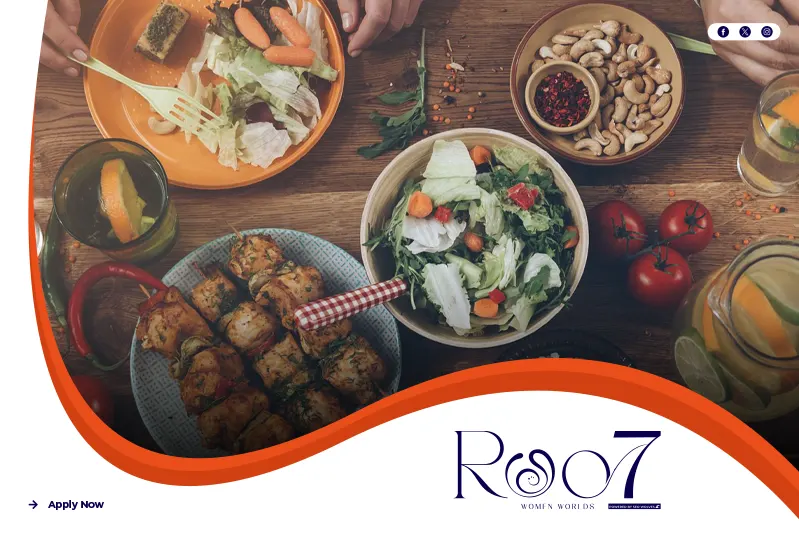
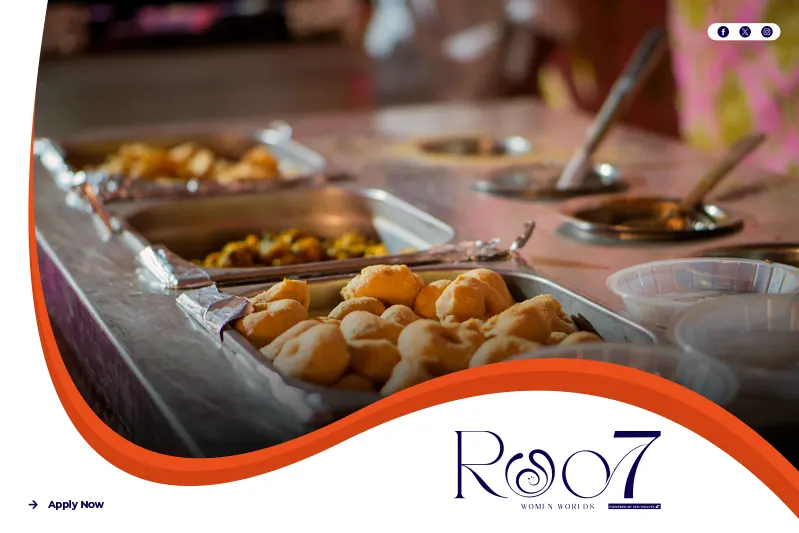
The Mediterranean diet is consistently ranked as one of the healthiest in the world, and for good reason. It is a cuisine that is naturally rich in vegetables, healthy fats, and lean proteins. Grilling is a preferred cooking method, imparting a smoky flavor to everything from seafood to halloumi cheese. Fresh herbs like mint, parsley, and oregano are used in abundance, adding a vibrant freshness to every bite. The beauty of this food lies in its simplicity and its celebration of sun-ripened ingredients. This focus on health and flavor makes it one of the most accessible and appealing international cuisines for home cooks. The home kitchen focused on this style is often full of fresh, colorful ingredients.
A World of Flavor: Mexican Cuisine’s Rich Heritage
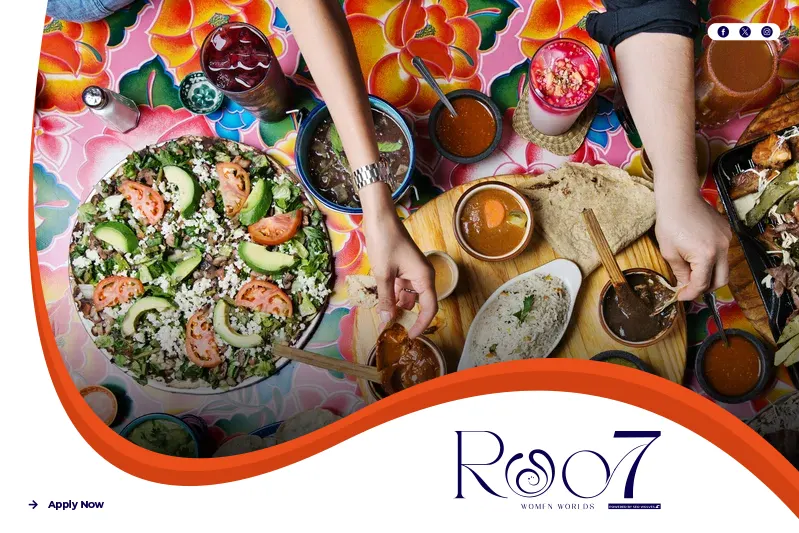
Our final stop is in Mexico, home to a cuisine so rich in history and cultural significance that it has been recognized by UNESCO as an Intangible Cultural Heritage of Humanity. Mexican food is a vibrant, soulful, and complex fusion of ancient indigenous traditions and Spanish colonial influences. It is a cuisine that is bold, colorful, and deeply rooted in its foundational ingredients, making it one of the most unique and exciting international cuisines.
The Ancient Pillars: Corn, Chili, and Beans
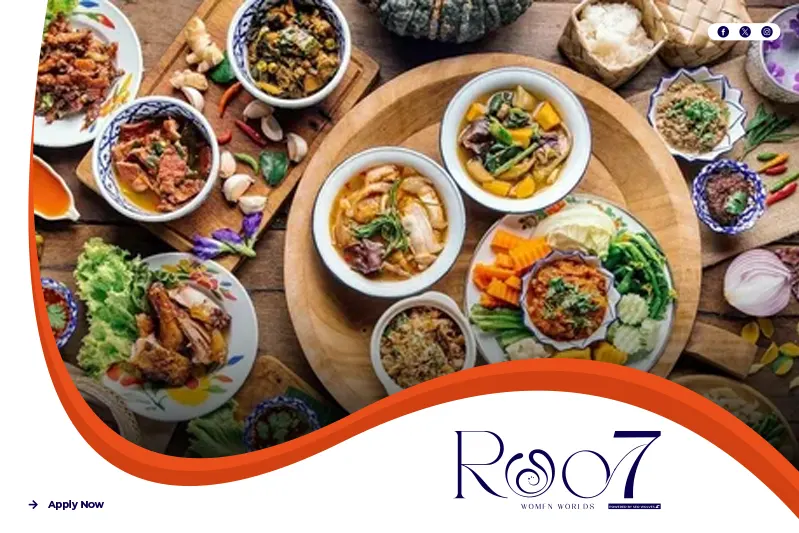
The heart of authentic Mexican cuisine rests on three ancient pillars: corn, chili peppers, and beans. Corn, or maíz, is considered sacred and is the base for everything from tortillas to tamales. The chili pepper, in its hundreds of varieties, provides not just heat, but a complex spectrum of flavors—smoky, fruity, and earthy. Beans provide sustenance and a comforting, earthy base. The Mexican kitchen is built around these three ingredients. This ancient foundation is what gives the food its unique identity and sets it apart from other international cuisines.
More Than Tacos: The Depth of Regional Moles and Salsas
While tacos and burritos are its most famous exports, the true depth of Mexican cuisine is found in its complex sauces and regional specialties. The state of Oaxaca is famous for its seven moles, incredibly complex sauces that can contain dozens of ingredients and take days to prepare. From the deep, dark, and chocolate-tinged mole negro to the bright, herbaceous mole verde, these sauces are a testament to the incredible sophistication of the Mexican kitchen. Likewise, the art of salsa making is a cornerstone of the cuisine, with each region boasting its own signature blends of tomatoes, chilies, onions, and herbs. This level of complexity solidifies its place as one of the world’s truly great international cuisines.
The Global Kitchen: A Fusion of Influences
No cuisine exists in a vacuum. The beauty of our modern, interconnected world is the way that culinary ideas, ingredients, and techniques now travel across borders with incredible speed. The very concept of the “global kitchen” means that a chef in Cairo can draw inspiration from a technique they saw in Tokyo, or a home cook can experiment with a spice blend they discovered from India. This cross-pollination is leading to some of the most exciting food being created today. Fusion cooking, once a clunky term, has evolved into a more organic and thoughtful integration of flavors. The study of international cuisines is now not just about understanding their distinct histories, but also about appreciating how they interact and influence one another, creating a dynamic and constantly evolving global menu.
Conclusion: Your Culinary Adventure Awaits
Our journey through some of the world’s most loved international cuisines reveals a beautiful truth: while the ingredients and techniques may differ, the underlying passion for creating delicious food to share with others is a universal human trait. From the simplest Italian pasta to the most complex Indian curry, each dish is a cultural artifact, a delicious piece of history waiting to be discovered. We hope this exploration has ignited your curiosity and inspired you to continue your own culinary adventures. The greatest lesson from the world’s best food cultures is that a home kitchen can be a place of endless discovery and creativity. The world of international cuisines is vast and full of wonder, and your ticket to explore it is waiting right in your own pantry.