
Introduction: The Greatest Investment of a Lifetime
As a calm and pleasant October Sunday evening envelops the historic city of Cairo, our thoughts naturally turn to family, legacy, and the future. There is no greater responsibility or more profound joy than the task of raising a child. At the very core of this incredible journey is the unwavering commitment to nurturing their well-being from the moment they enter this world. This guide is dedicated to providing essential, actionable tips on Child health, serving as a trusted resource for parents navigating the beautiful and often complex path of raising healthy, happy, and resilient children. The concept of Child health is not merely about the absence of illness; it is a holistic and proactive pursuit, encompassing physical strength, mental clarity, emotional stability, and social well-being. It is a complete ecosystem of care.

The journey begins long before the first scraped knee or common cold. It starts with the foundational decisions made in the earliest days, weeks, and years of a child’s life. Every choice, from the nuances of nutrition and sleep routines to the quality of emotional support and the safety of their environment, contributes to the intricate tapestry of their development. This guide is designed to be a companion through that process, offering clarity and confidence in a world filled with conflicting advice. The entire, incredible experience of Motherhood and Childhood is, at its heart, a continuous act of fostering and protecting the well-being of the next generation, a sacred trust we hold in our hands. Prioritizing Child health is, therefore, the greatest and most meaningful investment a parent can ever make in the future. Let us explore the pillars of a healthy upbringing, creating a comprehensive roadmap for a vibrant and thriving life for your little ones.

Building a Strong Foundation: The Critical Early Years
The period from infancy through the toddler years is a time of explosive growth and development unlike any other in the human lifespan. The foundations for lifelong health are laid during this critical window. It is a time when the body and brain are developing at a breathtaking pace, making parental choices and daily care routines profoundly impactful. A focus on preventative and proactive Child health during this stage can pay dividends for years to come, setting a trajectory for a lifetime of well-being.

The Power of Nutrition and Healthy Growth
The cornerstone of all physical development is, without question, nutrition. For infants, the benefits of breastfeeding are well-documented, providing a perfect, dynamic blend of nutrients, hydration, and antibodies that support a robust immune system. As you transition to solid foods around the six-month mark, the goal is to introduce a wide variety of flavors and textures, focusing on whole, unprocessed foods. Establishing a palate for fruits, vegetables, and whole grains early on is a powerful strategy for long-term Child health. This is also the time to introduce potential allergens in a safe, controlled manner as per your pediatrician’s advice. Creating positive, stress-free mealtimes, where food is explored without pressure, is just as important as the food itself. This initial phase of introducing food is a significant milestone in the journey of Motherhood and Childhood, a time of exploration, patience, and discovery for both parent and child. Consistent, balanced nutrition is the most fundamental and impactful aspect of good Child health.

The Crucial Role of Sleep in Development
Sleep is not a passive state for children; it is an active and essential period of profound development that is as crucial as nutrition. During sleep, the body releases growth hormones, the immune system recharges and strengthens, and perhaps most importantly, the brain gets to work. It is during these quiet hours that the brain processes the day’s information, consolidates memories, and forms the neural connections necessary for learning and cognitive function. Establishing a consistent and calming bedtime routine is one of the most effective things a parent can do to support their child’s well-being. A predictable sequence of events—like a warm bath, putting on pajamas, reading a story, and a final cuddle—signals to the child’s body and mind that it is time to wind down. Ensuring adequate sleep, in a safe and dark environment, is a non-negotiable pillar of good Child health. This commitment to routine is a classic challenge and a profound reward of early Motherhood and Childhood.

Immunizations and Preventative Care: Your Shield of Protection
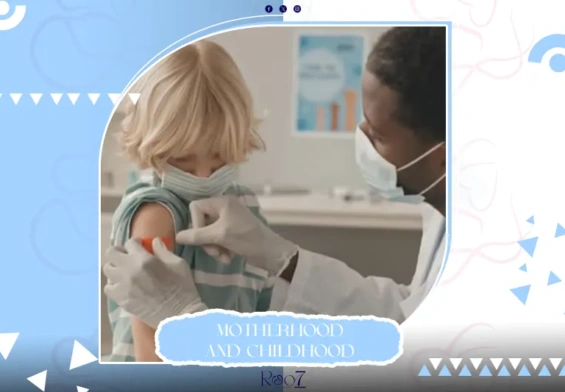
In the modern world, one of the most powerful tools we have at our disposal to protect our children from a host of serious infectious diseases is a robust immunization schedule. Vaccines are a safe and incredibly effective way to train a child’s developing immune system to recognize and fight off dangerous illnesses before they can take hold. Following the schedule recommended by your pediatrician and reputable health organizations like the WHO is a critical component of responsible parenting and a cornerstone of public health. Regular pediatric check-ups are also essential. These “well-child” visits allow your doctor to monitor growth and development against established milestones, address any concerns you may have, and provide crucial preventative care. This proactive approach is fundamental to ensuring good Child health. This is a core responsibility within the journey of Motherhood and Childhood.

Nurturing the Whole Child: Physical and Mental Well-being
As children grow and their world expands, the definition of health broadens beyond the purely physical. A holistic approach that nurtures their emotional and mental well-being is just as important as tending to their physical needs. The ultimate goal is to raise children who are not just physically healthy, but who are also emotionally intelligent, resilient, and secure in themselves. This broader view of Child health is a hallmark of modern, conscious parenting.

The Importance of Active Play and Movement
In a world increasingly dominated by screens and sedentary activities, the importance of unstructured, active play cannot be overstated. Running, jumping, climbing, dancing, and exploring are not just ways for children to burn off energy; they are essential for developing gross motor skills, coordination, strength, and spatial awareness. Regular physical activity is a cornerstone of preventative Child health, helping to build strong bones and muscles, maintain a healthy weight, and even improve mood and concentration. Making time for active play, preferably outdoors in the fresh air, is a joyful and essential part of the Motherhood and Childhood experience, a chance to connect and have fun together away from daily pressures.

Fostering Emotional and Mental Health
A child’s mental and emotional well-being is a vital, yet sometimes overlooked, aspect of their overall health. Creating a home environment where children feel safe to express their full range of emotions—from joy and excitement to sadness, frustration, and anger—is crucial for their development. Teaching them to name their feelings (“It sounds like you are feeling frustrated right now because that block tower fell”) is the first step towards emotional literacy. Open communication, validation of their feelings (even if you don’t approve of their behavior), and a stable, loving environment are the building blocks of strong mental Child health. This focus on emotional intelligence is a key element of a positive and supportive experience of Motherhood and Childhood. Recognizing and supporting a child’s mental state is as important as any other aspect of Child health.

The Role of a Healthy and Safe Home Environment
The home should be a sanctuary, a place of physical and emotional safety and comfort. This involves a dual focus. Physically, it means diligently child-proofing the home to prevent common accidents, especially during the endlessly curious toddler and preschool years. This includes securing heavy furniture, covering electrical outlets, and keeping cleaning supplies and medicines safely out of reach. Emotionally, it means creating a nurturing space free from excessive conflict, chaos, or stress. A clean, organized, and stable home environment provides a sense of security that is foundational for good Child health. This is a constant, ongoing responsibility that defines much of the day-to-day work of Motherhood and Childhood.

Navigating Common Challenges: Sickness and Safety
Every parent will inevitably face periods of childhood illness and the constant need for vigilance regarding safety. Being prepared with knowledge, a calm approach, and a few key resources can make these challenges much more manageable. Understanding how to respond is a key skill for any parent concerned with Child health.

Managing Common Illnesses with Confidence
Fevers, coughs, colds, and stomach bugs are a normal and even necessary part of a developing immune system. It’s important for parents to know the basics of providing comfort care, such as ensuring proper hydration, encouraging rest, and knowing how to manage a fever safely with the correct dosage of age-appropriate medication. It is equally important to know the warning signs that indicate a more serious illness and when it is necessary to contact a pediatrician without delay. Having a good, trusting relationship with your doctor is a crucial part of managing your child’s health. Being able to calmly assess a situation is a learned skill that greatly reduces stress and improves outcomes for Child health.

Safety First: A Proactive Approach to Accident Prevention
Accident prevention is a critical, proactive component of ensuring good Child health. This means being vigilant about potential hazards both inside and outside the home. Inside, this means securing heavy furniture, covering electrical outlets, and keeping cleaning supplies out of reach. Outside, this vigilance extends to playground safety, ensuring proper supervision near any body of water (a critical concern in a country with pools and coastline), and always using car seats correctly for every single trip. This constant awareness is a fundamental part of the responsibility of Motherhood and Childhood. A proactive approach to safety is one of the most effective strategies in promoting Child health.

The School-Age Years and Beyond: Evolving Needs
As children enter school and move towards the complexities of adolescence, their health needs continue to evolve. The challenges shift from basic safety and routine to navigating a more complex social world, managing new responsibilities, and forming their own identities. The core principles of Child health remain the same, but their application changes to meet these new developmental stages.

Nutrition for Learning, Energy, and a Lifetime of Health
Good nutrition is just as critical for a school-aged child as it is for a toddler, as it directly impacts their ability to concentrate in school, their energy levels for sports and play, and their overall mood. Packing a healthy, balanced lunch, providing nutritious after-school snacks (like fruit, yogurt, or nuts), and ensuring they are well-hydrated are all key. This is also the perfect age to involve children more actively in food preparation, teaching them basic cooking skills and the importance of a balanced diet. This education is a vital part of their journey towards taking personal responsibility for their own Child health. The goal is to instill lifelong healthy habits that they will carry with them into adulthood.

Screen Time and Digital Wellness: A Modern Challenge
Navigating the digital world is one of the newest and most significant challenges in modern parenting. While technology offers incredible opportunities for learning and connection, excessive or unmonitored screen time can have negative impacts on sleep patterns, physical activity levels, and mental well-being. Establishing clear, consistent family rules around screen time, teaching digital citizenship and online safety, and encouraging a healthy balance with real-world, offline activities are all essential for modern Child health. This is a new frontier for parents, an issue that was not a part of the experience of Motherhood and Childhood for previous generations, requiring a new set of parenting skills.

Conclusion: A Lifelong Commitment to Well-being
The responsibility of nurturing a child’s health is a continuous and evolving journey, a marathon rather than a sprint. It is a profound commitment that spans from the first moments of life through the complex teenage years and beyond. The core principles, however, remain constant throughout: a foundation of unconditional love, a commitment to preventative care, a focus on balanced nutrition, and an unwavering dedication to fostering both their physical and emotional well-being. Every small, positive choice made today contributes to a stronger, healthier, and more resilient adult tomorrow. The entire process is the very essence of devoted Motherhood and Childhood.

We hope this guide has provided a clear and empowering framework for approaching the vital topic of Child health. Remember that you are not alone on this journey. Lean on your support systems, build a strong and collaborative relationship with your pediatrician, and always trust in your own parental instincts—they are more powerful than you think. By prioritizing Child health in this holistic, comprehensive way, you are giving your child the greatest possible gift imaginable: the foundation for a long, happy, and thriving life. This is the ultimate goal and the most beautiful reward of Motherhood and Childhood.