

Introduction
The Pioneer of Arabic Cinema
Egypt is rightly known as the “Hollywood of the East,” possessing a rich and influential cinematic history that spans over a century. From the Golden Age musicals of the 1940s to the gritty social dramas of the modern era, the Egyptian film industry has served as the cultural heartbeat of the entire Arab world. While its influence has long dominated regional TV series and movies, a new wave of critically acclaimed titles is currently breaking through, cementing the place of Egyptian Films in global film culture. Fueled by risk-taking directors and actors committed to shedding light on complex social realities, these recent successes confirm that Egyptian Films are essential viewing. Their impact extends far beyond the box office, shaping global perceptions and driving trends within the larger Celebrities and Entertainment sphere. This guide details the pivotal films and thematic shifts that demonstrate the enduring global influence of Egyptian Films.

The New Vanguard: Award-Winning Realism (2015–Present)
In recent years, a cohort of visionary directors and writers has achieved unprecedented international recognition by moving away from traditional melodrama and embracing social realism and unique narrative styles. These contemporary Egyptian Films have garnered major awards at prestigious festivals worldwide, showcasing the industry’s evolving artistic maturity:

Feathers (2021): This film is a landmark achievement, winning the prestigious Nespresso Grand Prize at Cannes Critics’ Week. Directed by Omar El Zohairy, the absurd and dark comedy tells the surreal story of a woman whose oppressive husband is accidentally turned into a chicken during a children’s party magic show. The film’s sharp, visual critique of patriarchal society and its distinct visual style marked a bold and successful artistic departure for Egyptian Films.
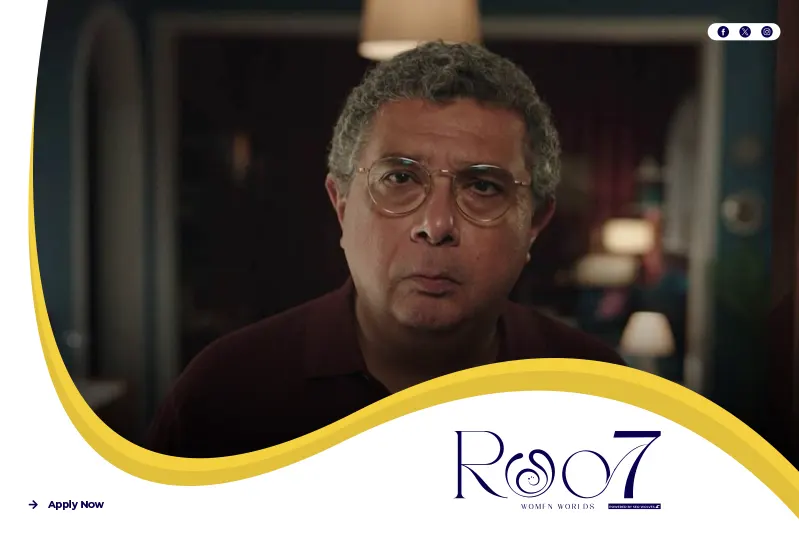
The Brink of Dreams (2024): Co-directed by Nada Riyadh and Ayman El Amir, this powerful documentary made history by winning the Golden Eye (L’Œil d’or) for Best Documentary at the Cannes Film Festival. Filmed over four years in a remote village in southern Egypt, it follows a fierce group of young women who form an all-female street theatre troupe, capturing their determined resistance against restrictive traditions.
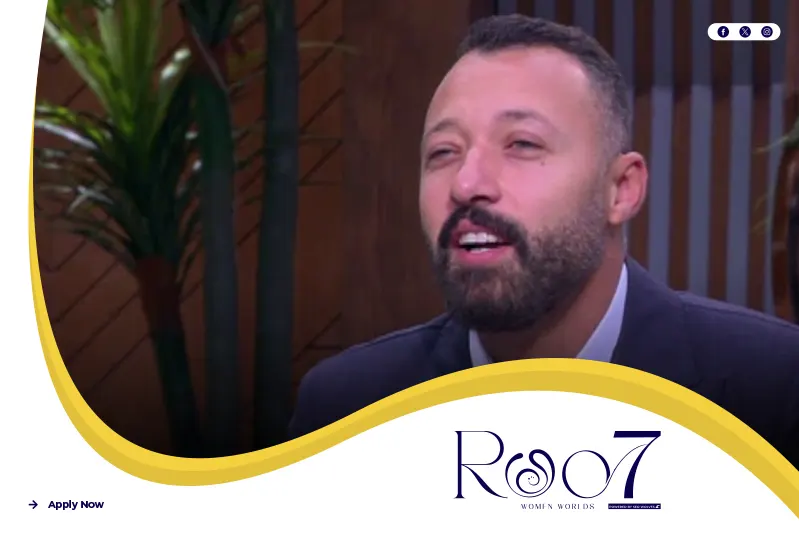
Clash (2016): Directed by Mohamed Diab (who later helmed the Marvel series Moon Knight), this highly praised, claustrophobic political drama was selected as the Opening Film for the Un Certain Regard section at the Cannes Film Festival. Set entirely inside the back of a police van during the 2013 political unrest, it powerfully captures the chaos and ideological divides in Egypt, demonstrating the capacity of modern Egyptian Films to provide urgent, necessary social commentary within the broader landscape of TV series and movies.
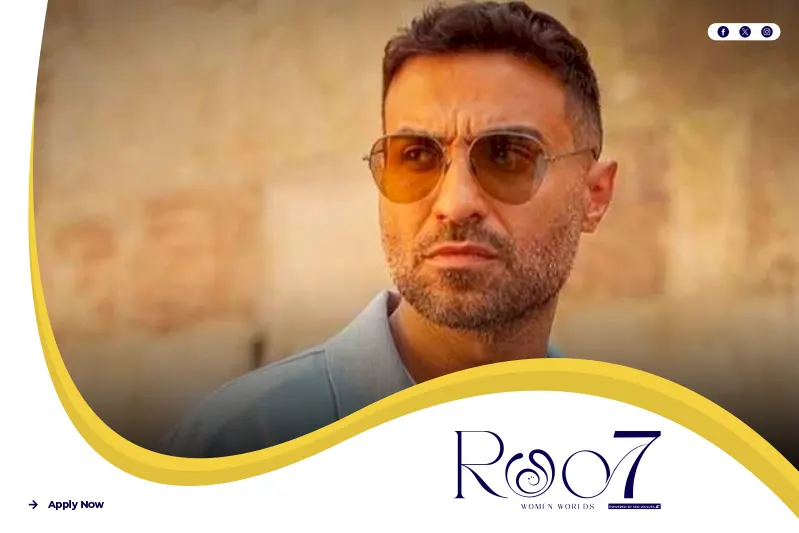
Yomeddine (2018): This highly resonant road movie, directed by Abu Bakr Shawky, was selected for the Official Competition at the Cannes Film Festival. It follows a man who has lived most of his life in a leprosy colony and his young friend as they travel across Egypt in search of his long-lost family. The film was praised internationally for its profound humanity, authentic performances, and gentle humor.

Enduring Classics and Cultural Pillars
Beyond the contemporary hits, several seminal Egyptian Films have set the cultural and aesthetic standard for Arabic cinema, ensuring the country’s continuous and deep influence on regional Celebrities and Entertainment:
Cairo Station (1958): Directed by the late, legendary Youssef Chahine, this film remains a global classic of the neorealism genre. It was the first Egyptian Films submission to the Academy Awards and showcases a raw, film-noir style thriller set in a busy train station. Chahine, a recipient of the Cannes 50th Anniversary Award, is the most internationally recognized Egyptian director, whose work helped launch the career of World celebrity Omar Sharif.

The Yacoubian Building (2006): Based on the hugely popular novel by Alaa Al Aswany, this film used a powerhouse ensemble cast to portray the intersecting lives, corruption, social decay, and fundamentalist shifts within a single downtown Cairo apartment building. Its massive regional success made it a defining modern Egyptian Films entry into the TV series and movies cultural canon, proving that complex, multi-layered narratives can achieve commercial blockbuster status.
Read more about Turkish Films
The Blue Elephant Franchise (2014 & 2019): This successful psychological thriller franchise, based on Ahmed Mourad’s novels, demonstrates the modern Egyptian industry’s financial and technical capability to produce sophisticated, high-production genre fare that resonates deeply with audiences, becoming one of the highest-grossing Egyptian Films of all time. This success shows the industry’s mastery of the modern genre film.

Global Impact on Celebrities and Entertainment
The last two decades of successful Egyptian Films have significantly altered the global Celebrities and Entertainment ecosystem and redefined the careers of Arab stars:
Crossover Talent Pipeline: The international exposure of Egyptian Films has historically propelled actors and directors—from Omar Sharif’s Hollywood career decades ago to Mona Zaki and Mohamed Diab today—into global TV series and movies projects. Their ability to deliver powerful, nuanced performances is now recognized and sought after worldwide, creating a crucial talent pipeline from Cairo to the rest of the world.

Cultural and Linguistic Dominance: The Egyptian dialect used in these Egyptian Films has been widely disseminated throughout the Middle East for generations, making it the most recognized and understood Arabic dialect in regional TV series and movies. This linguistic and cultural foothold maintains Cairo’s status as the regional content hub, ensuring that its film industry continues to speak to the entire Arab world.
Thematic Influence and Inspiration: The willingness of recent Egyptian Films to tackle challenging subjects with artistic integrity, as seen in Clash and Feathers, has pushed artistic and narrative boundaries for other Arab nations, influencing the entire regional industry to seek stories with greater social depth and artistic ambition. This commitment ensures that Egyptian Films remain at the forefront of quality Arabic TV series and movies. The ability of the Egyptian industry to blend commercial success with critical depth keeps it relevant on the world stage.
Conclusion
The best Egyptian Films of the past two decades represent a vibrant, resilient, and pivotal moment for the region’s cinematic output. These films demonstrate that stories rooted in specific Egyptian contexts—be it the chaos of Tahrir Square or a quiet domestic struggle—can achieve universal resonance when told with honesty and artistic mastery. By continuing to confront social taboos and showcasing diverse narratives and technical excellence, Egyptian Films have secured their place at the global creative table. This ongoing commitment to artistic integrity and powerful storytelling ensures that the Egyptian film industry remains a vital, unmissable contributor to the entire TV series and movies industry and the broader sphere of Celebrities and Entertainment for decades to come.