
introduction
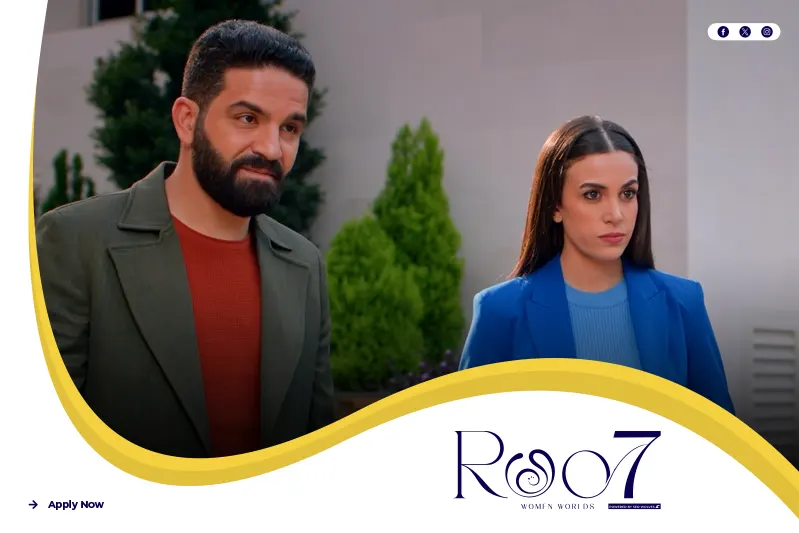
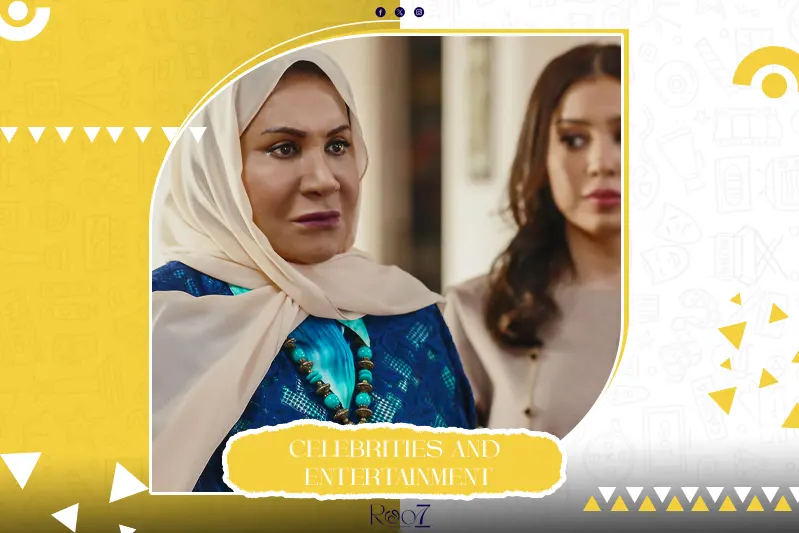
The world of Arabic TV Series—known broadly as musalsalat—has exploded onto the global stage, transforming the regional media market and captivating billions of viewers in the Middle East and the global diaspora. Fueled by massive production budgets and the advent of streaming platforms, these shows are now a core component of global TV series and movies. The quality, diversity, and thematic depth of modern Arabic TV Series make them essential viewing for anyone seeking compelling, high-stakes drama that often reflects complex socio-political realities. This cultural phenomenon is driven by iconic actors and powerful storytelling, cementing the Arab world’s position as a major, dynamic contributor to global Celebrities and Entertainment. To help navigate this vibrant and growing landscape, here is a detailed guide to the best series and current trends you should be watching right now.
The Reign of the Ramadan Drama: A Cultural Staple and Production Peak
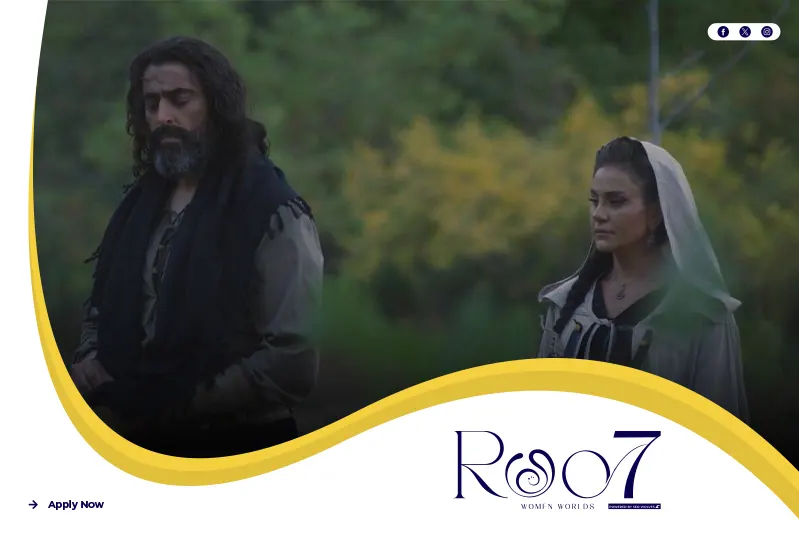
Historically, the peak production period for Arabic TV Series is the month of Ramadan, when viewership spikes dramatically across the Arab world. These Ramadan dramas, often commissioned for 30 episodes (one for each night of the holy month), are cultural rituals that dictate family schedules and social conversations. The competition is intense, with every major production house vying for the highest ratings. The resulting content often showcases the highest caliber of writing and acting talent, spanning genres from intense social realism to sprawling historical epics. The most talked-about Arabic TV Series often emerge from this season, with success translating immediately into massive international syndication and streaming distribution deals. The annual Ramadan lineup dictates the next year’s trajectory for regional TV series and movies, setting benchmarks for quality and spectacle.

However, the rapid rise of international streaming has challenged this rigid, marathon format, allowing for high-quality Arabic TV Series to be released throughout the year. These newer productions often adopt shorter, more Westernized episode counts (e.g., 6 to 10 episodes). This shift offers viewers continuous access to fresh TV series and movies and reduces the breakneck production pressure on film sets, enabling studios to focus more intensely on script development, technical polish, and creative risk-taking.
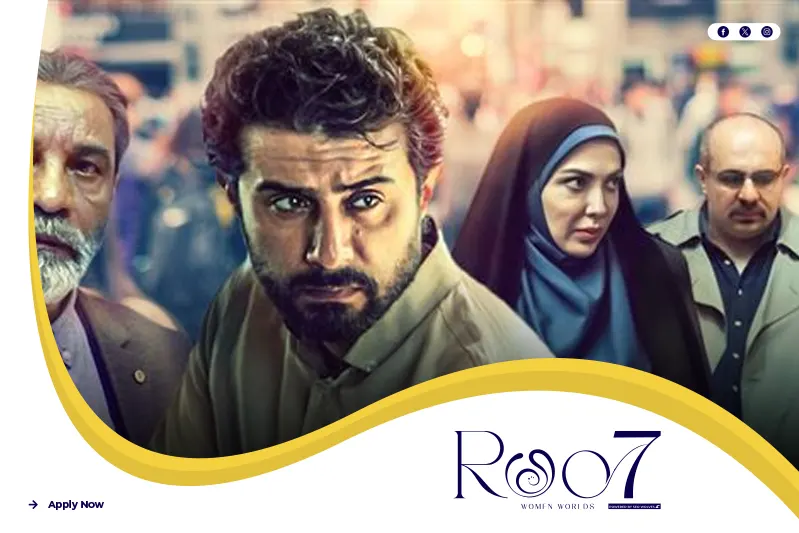
Key Hubs and Genres: The Diverse Landscape of Arabic TV Series
The production landscape for Arabic TV Series is geographically diverse, with different regional hubs specializing in unique storytelling styles and dialects:
Egyptian Drama: The Industry Giant and Storyteller
Egypt remains the historical capital of Arabic cinema and television. Egyptian Arabic TV Series are renowned for their psychological depth, powerful social realism, and biting satire. They bravely tackle challenging topics like addiction, mental health, and gender inequality—themes once considered taboo for regional TV series and movies. Recent hits like Paranormal (the first Egyptian Netflix Original, showcasing a shift into supernatural genres) and hard-hitting social dramas have demonstrated the industry’s ability to tackle complex, sensitive issues and showcase world-class production values. The vast pool of veteran and emerging talent in Cairo ensures that Egyptian productions remain at the artistic forefront of Celebrities and Entertainment in the Arab world.
Read more about Egyptian TV Series
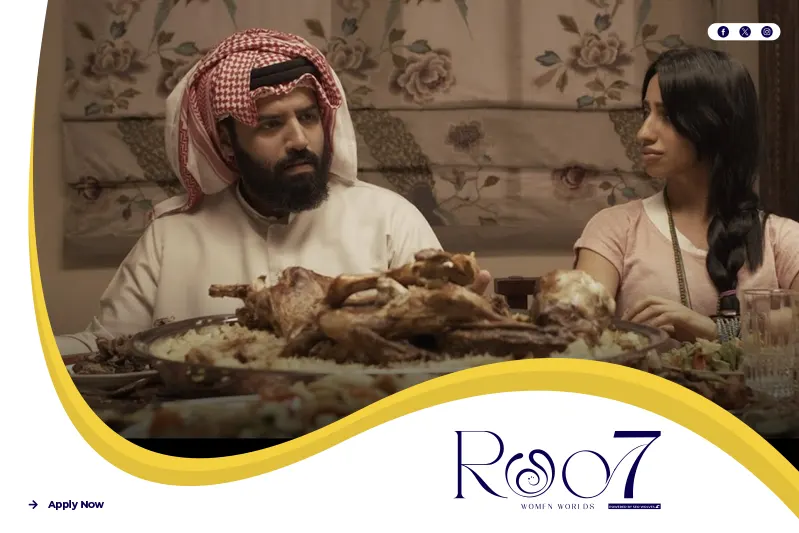
Lebanese and Syrian Drama: High-Stakes Thrillers and Pan-Arab Casts
Lebanon and Syria (often collaborating, especially in recent years) are known for producing captivating, high-stakes thrillers and complex contemporary dramas, frequently utilizing mixed (or mushtarak) casts featuring stars from across the region. Series like Al Hayba focus on crime, power struggles, and clan loyalty, capturing a wide regional audience with their slick production and intense action. These highly-produced action Arabic TV Series are excellent examples of Pan-Arab collaboration, successfully blending different dialects and star power to create a truly unified regional product that dominates the demand for exciting, action-driven TV series and movies.
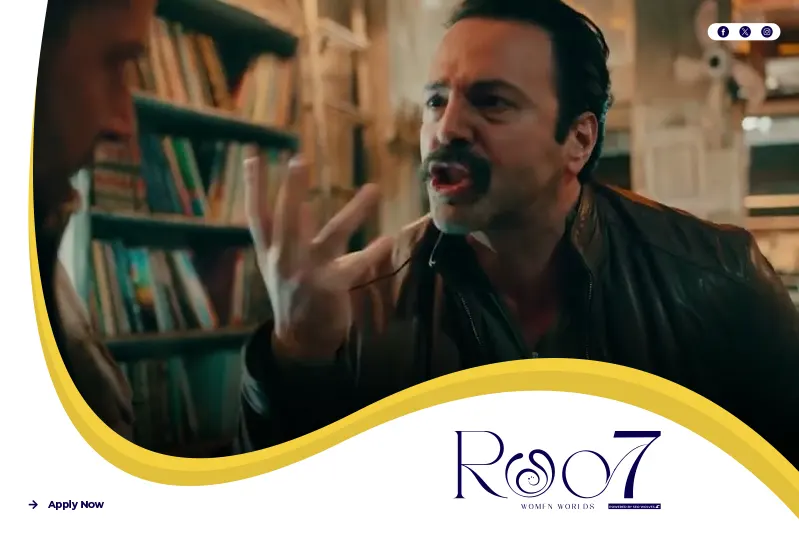
Gulf Drama: Financial and Social Intrigue
The Gulf region, particularly Kuwait and Saudi Arabia, specializes in intimate family sagas and narratives centered on financial or corporate intrigue. These shows often focus on themes of inheritance, cultural modernization, and the changing roles of women within rapidly evolving societies. Shows like The Exchange (set in the Kuwaiti financial world) offer viewers empowering stories of women breaking barriers in male-dominated industries, proving that contemporary Arabic TV Series are actively engaging with societal shifts and reflecting them within the wider Celebrities and Entertainment sphere. The use of the Gulf dialect also caters specifically to a large and financially powerful audience segment.

The Power of the Stars: Icons of Arabic TV Series and Global Crossover
The success of Arabic TV Series is intrinsically tied to its charismatic stars. Figures like Hend Sabry, Taim Hassan, and Nelly Karim are not just highly sought-after actors; they are cultural icons whose involvement in any project guarantees a massive audience and significant commercial success. Their visibility extends far beyond film and television into massive brand endorsement deals and colossal social media influence, making them central figures in regional Celebrities and Entertainment. The intense competition for these top stars is a primary driving force behind ever-increasing production budgets and the demand for high-quality scripts.

Furthermore, a new generation of rising stars, often discovered via platforms like Netflix, are bringing fresh, internationalized perspectives and new acting styles to Arabic TV Series. This influx of young talent is pushing the industry toward a more universal aesthetic, aided by improved subtitles and quality dubbing, ensuring these TV series and movies appeal deeply to the vast Arab diaspora and non-Arab audiences alike. This focus on global accessibility solidifies the growth of Arabic TV Series as a major international cultural force.
Conclusion:
Why You Should Be Watching Arabic TV Series
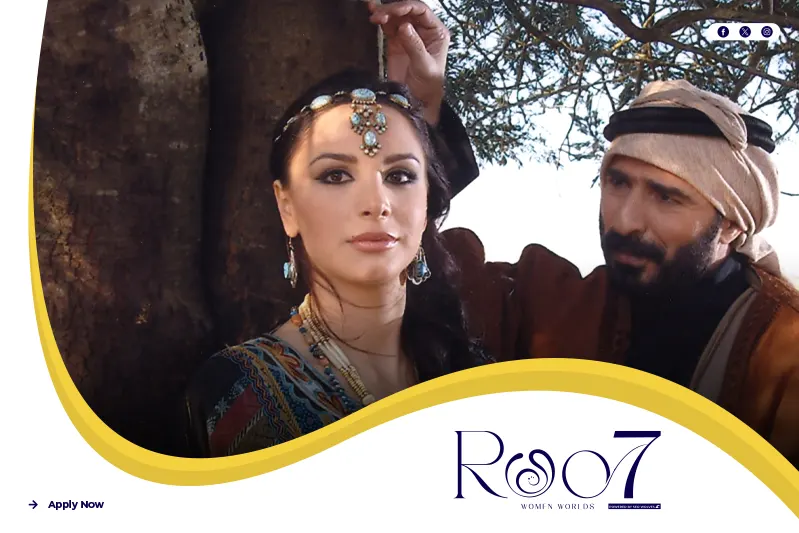
From the compelling psychological complexity of Egyptian drama and the sweeping cultural narratives of historical dramas to the high-octane excitement of contemporary thrillers, Arabic TV Series offer some of the most dynamic, artistically ambitious, and rewarding content available globally. These diverse TV series and movies are masterfully crafted, culturally rich, and incredibly engaging. By embracing digital distribution, collaborating across national borders, and cultivating world-class talent, the Arabic Celebrities and Entertainment industry has firmly established itself as an unmissable international force.