

Introduction
Turkish Cuisine is a vibrant and diverse culinary tradition that reflects the rich history and cultural heritage of Turkey. From the bustling markets of Istanbul to the serene villages along the Aegean coast, Turkish Cuisine showcases a wide array of flavors, textures, and aromas. Known for its use of fresh ingredients, aromatic spices, and balanced preparations, it has earned a respected place among International cuisines. Exploring Turkish Cuisine allows you to experience the warmth of Turkish hospitality and the art of cooking that has been perfected over centuries.
Whether you are a home cook or an experienced chef, diving into Turkish Cuisine offers endless opportunities to create delicious meals in your kitchen. From hearty stews to delicate pastries, this cuisine combines tradition and innovation in a way that inspires culinary creativity.
The Foundations of Turkish Cuisine
At its core, Turkish Cuisine emphasizes the use of fresh, high-quality ingredients. Vegetables, legumes, grains, dairy, and meats are staples, and the balance of flavors is achieved through careful seasoning with herbs and spices. Olive oil is a key component in many dishes, reflecting the Mediterranean influence on Turkish Cuisine.
What sets Turkish Cuisine apart among International cuisines is its diversity. Each region offers its own specialties: the southeast favors spicy dishes with lamb and peppers, while the Aegean coast emphasizes olive oil, seafood, and fresh herbs. Preparing these dishes in your kitchen allows you to experience the depth and variety that make Turkish Cuisine unique.

Iconic Turkish Dishes
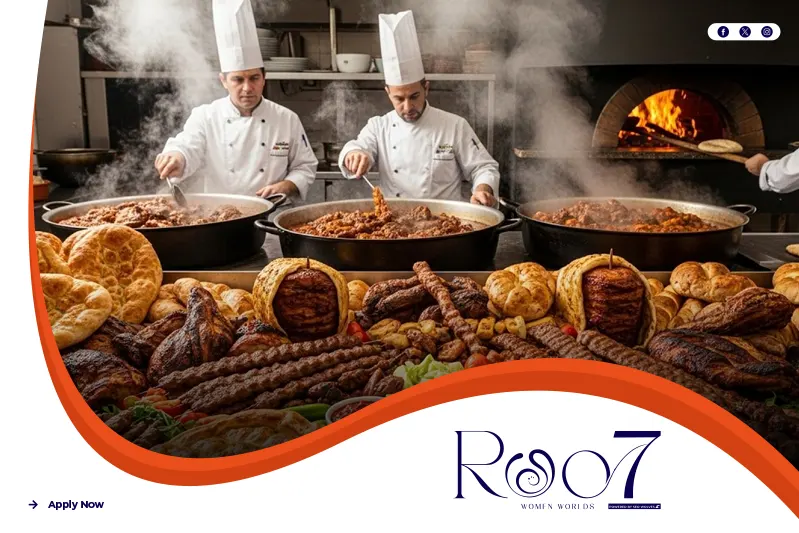
Kebabs – Grilled meats, often marinated with spices, form a cornerstone of Turkish Cuisine. From lamb to chicken, kebabs are versatile dishes that can be prepared in your kitchen with simple techniques yet yield flavors comparable to authentic Turkish restaurants.
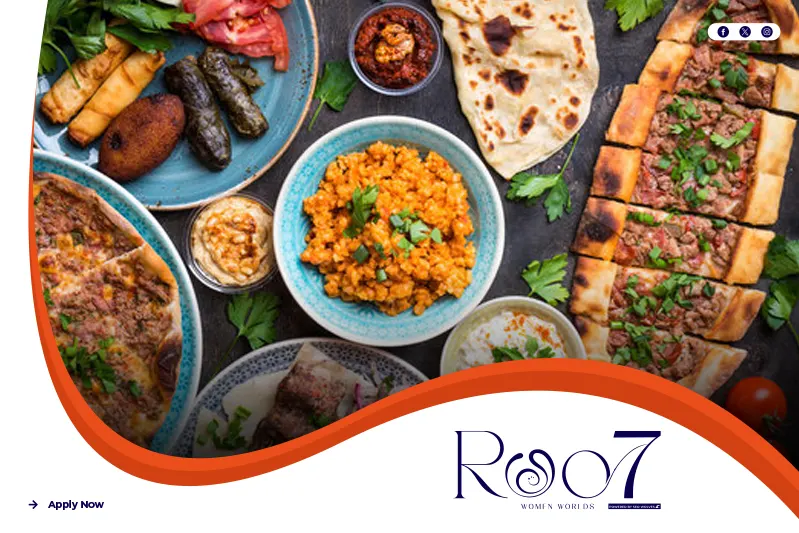
Mezes – A selection of appetizers that can include eggplant salad, stuffed grape leaves, and yogurt-based dishes. These small plates highlight the complexity and balance of Turkish Cuisine and are a great introduction to its wide range of flavors.
Read more about Indian Cuisine
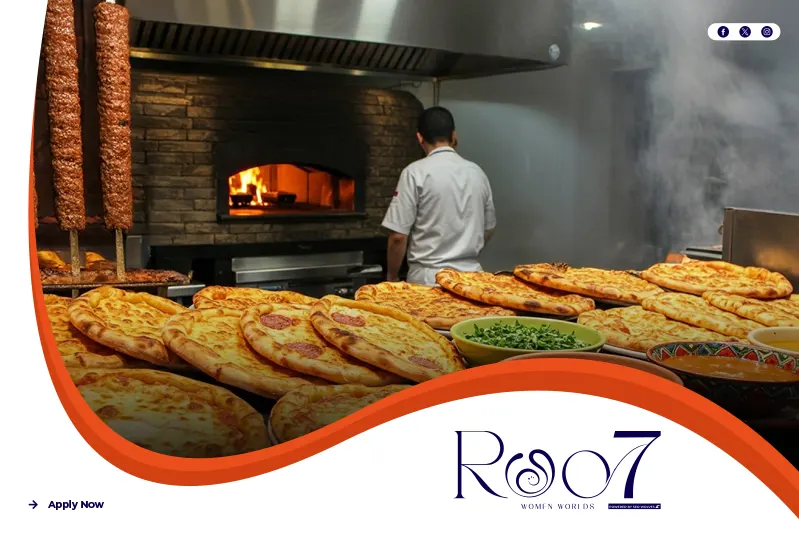
Pide – Sometimes called Turkish pizza, pide is a flatbread topped with cheese, meat, or vegetables. Making pide in your kitchen allows you to explore traditional bread-making techniques and experiment with toppings, connecting directly with the essence of Turkish Cuisine.
Manti – Tiny dumplings filled with meat and served with yogurt and garlic sauce, showcasing the intricate preparation techniques in Turkish Cuisine. Cooking manti in your kitchen is a hands-on way to experience this beloved dish, which has inspired variations across many International cuisines.
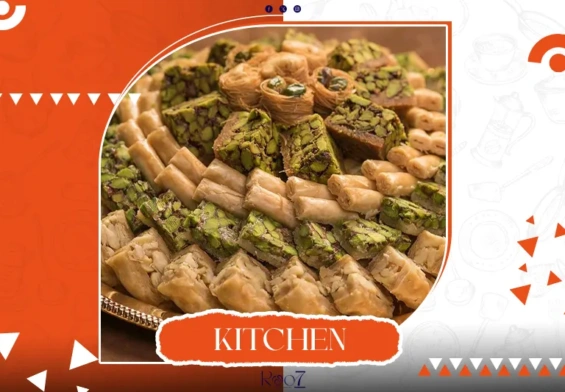
Baklava – A rich, sweet pastry made of layers of phyllo dough, nuts, and honey or syrup. This dessert exemplifies the luxurious side of Turkish Cuisine, blending delicate textures with intense flavors. Baking baklava in your kitchen introduces you to classic pastry techniques and the cultural significance of desserts in Turkey.
Regional Diversity in Turkish Cuisine
One of the most fascinating aspects of Turkish Cuisine is its regional variety. Each region reflects local ingredients, climate, and cultural influences:
Southeast Turkey – Known for spicy dishes, kebabs, and rich stews.
Aegean Coast – Olive oil, fresh seafood, and vegetable-based dishes dominate.
Central Anatolia – Hearty meals with wheat, bulgur, and meat.
Mediterranean Turkey – Light dishes with herbs, fish, and citrus flavors.
By exploring these regional differences, you gain a comprehensive understanding of Turkish Cuisine and its place among International cuisines. Incorporating these dishes into your kitchen allows you to experience authentic Turkish flavors no matter where you are.
Ingredients and Techniques
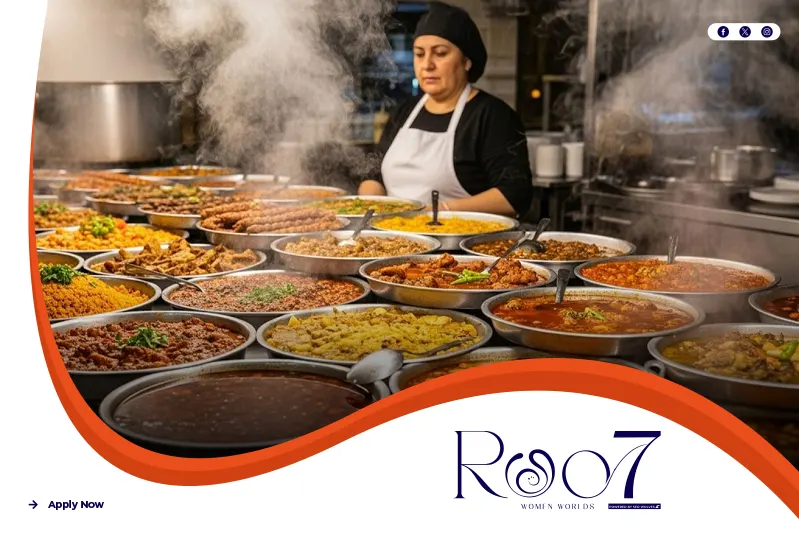
Success in Turkish Cuisine relies on mastering key ingredients and cooking methods. Essential components include:
Olive oil – Used in salads, vegetable dishes, and even desserts.
Yogurt – Adds creaminess and tang to many recipes.
Spices – Paprika, sumac, and cumin enhance flavor without overpowering ingredients.
Fresh herbs – Mint, parsley, and dill bring brightness and balance.
Cooking techniques in Turkish Cuisine are varied, including grilling, baking, stewing, and simmering. Mastering these methods in your kitchen ensures that your dishes retain authenticity and depth. Simple adjustments, like using a cast-iron pan or resting dough for pide, can dramatically improve the outcome.
Turkish Pastries and Desserts
Desserts are an essential part of Turkish Cuisine and showcase the artistry of this culinary tradition. Beyond baklava, notable treats include:
Künefe – A sweet cheese pastry soaked in syrup, often served warm.
Revani – A semolina cake flavored with lemon or orange, highlighting the influence of Mediterranean flavors.
Lokum (Turkish Delight) – A chewy, fragrant sweet that exemplifies traditional Turkish confectionery.
Preparing these desserts in your kitchen offers a hands-on experience of Turkish Cuisine, emphasizing patience, precision, and flavor layering, qualities shared with other revered International cuisines.
Bringing Turkish Cuisine to Your Kitchen
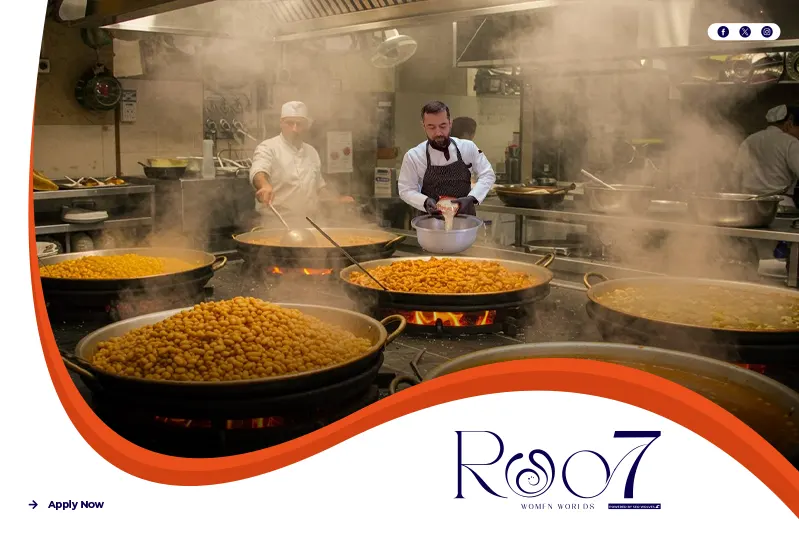
Introducing Turkish Cuisine into your home kitchen doesn’t require professional training. Start with simpler dishes like mezes, kebabs, or pide. Gradually progress to more complex items like manti or baklava. The key is using fresh ingredients, respecting traditional techniques, and savoring the process.
Cooking Turkish Cuisine at home encourages creativity and experimentation. You can adjust flavors, explore different spice combinations, and incorporate local ingredients while maintaining the essence of authentic dishes. This makes Turkish Cuisine accessible yet true to its heritage, just like many respected International cuisines.
Sharing meals prepared in your kitchen also reflects the social aspect of Turkish dining. Meals are meant to be enjoyed together, embodying the warmth, hospitality, and generosity that define Turkish food culture.

Conclusion
Turkish Cuisine is a rich and diverse culinary tradition that has earned its place among the world’s most admired International cuisines. With its combination of fresh ingredients, aromatic spices, and regional specialties, it offers an endless journey of flavors and techniques.
By bringing Turkish Cuisine into your kitchen, you can explore its iconic dishes, from savory kebabs and mezes to sweet baklava and künefe. Each recipe not only delivers delicious results but also connects you to centuries of culture, tradition, and culinary artistry.
Embrace the experience, experiment in your kitchen, and enjoy the rich legacy of Turkish Cuisine, a cuisine that continues to inspire chefs and home cooks in kitchens across the globe.