
Introduction
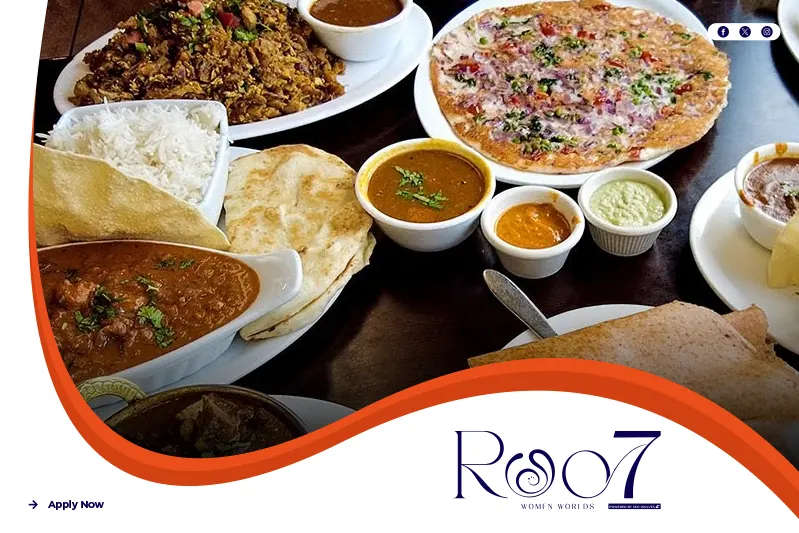
Indian Cuisine is one of the most vibrant and diverse culinary traditions in the world. Known for its bold flavors, aromatic spices, and intricate cooking techniques, Indian Cuisine has earned a distinguished place among International cuisines. From the rich curries of the north to the coconut-infused dishes of the south, every region brings its own unique ingredients and methods, making Indian food an endless journey of taste and discovery.
Cooking Indian Cuisine in your kitchen can be both exciting and rewarding. With a blend of spices, fresh produce, and traditional techniques, you can recreate the flavors of India in your own home. Whether you are preparing a simple dal or a festive biryani, mastering the essentials of Indian Cuisine opens the door to understanding a cuisine celebrated worldwide.
The Foundations of Indian Cuisine
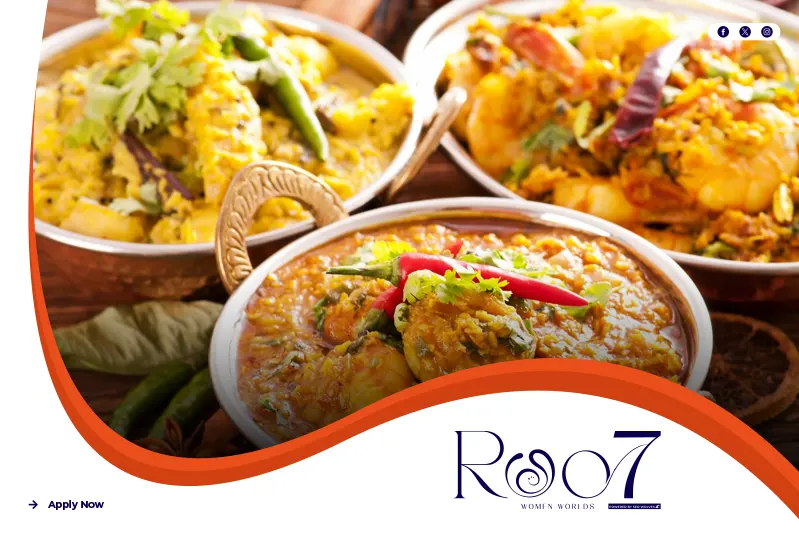
The foundation of Indian Cuisine lies in its spices, herbs, and cooking methods. Spices such as cumin, coriander, turmeric, cardamom, and chili are used not only for flavor but also for color and aroma. These spices define Indian Cuisine and distinguish it from other International cuisines.
Cooking in your kitchen requires understanding the balance and timing of spices. For instance, tempering spices in hot oil can release their essential flavors, forming the base for many classic dishes. Fresh herbs like cilantro and curry leaves add brightness and depth, enhancing both vegetarian and non-vegetarian preparations.
Iconic Indian Dishes
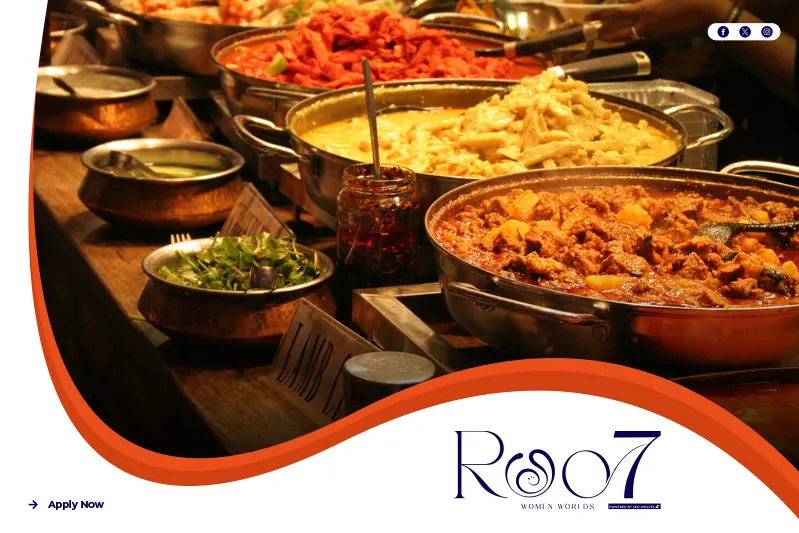
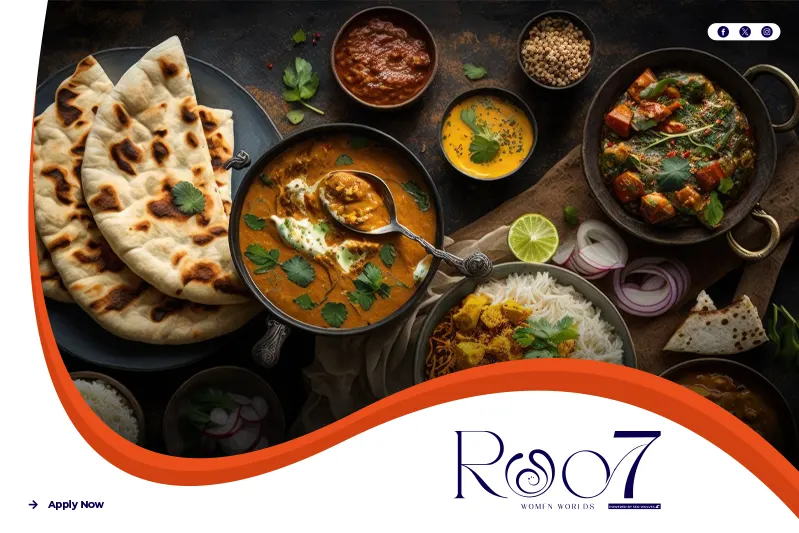
Butter Chicken (Murgh Makhani) – A creamy, tomato-based curry that is rich and aromatic. Preparing Butter Chicken in your kitchen gives you insight into marination, spice layering, and sauce preparation, all crucial aspects of Indian Cuisine.
Biryani – A fragrant rice dish with layers of marinated meat, spices, and saffron. Cooking biryani requires patience and precision, making it a true showcase of Indian Cuisine’s complexity and its standing among International cuisines.
Read more about Chinese Cuisine
Samosa – A popular snack filled with spiced potatoes, peas, or meat. Making samosas in your kitchen helps you understand pastry handling and spice blending, essential skills in Indian Cuisine.
Chole (Chickpea Curry) – A hearty vegetarian dish that combines chickpeas with a robust tomato and spice base. Cooking chole emphasizes the importance of layering flavors and balancing heat, central to Indian Cuisine.
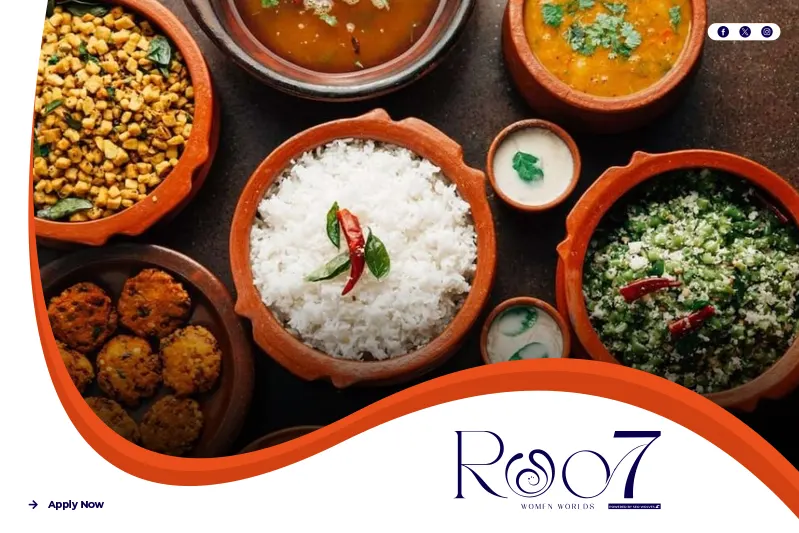
Dosa and Idli – Traditional South Indian rice-based dishes that highlight fermentation techniques and regional diversity. Preparing these in your kitchen introduces you to the subtleties of Indian Cuisine beyond curry dishes.
Regional Diversity in Indian Cuisine
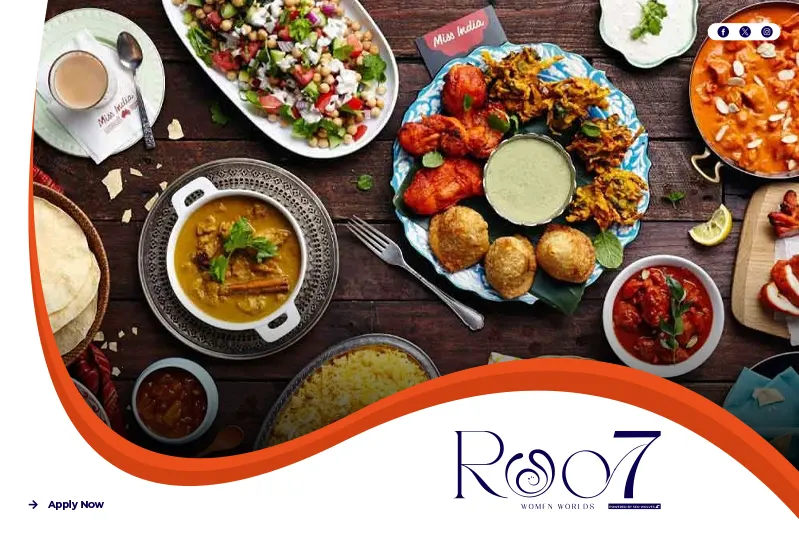
India’s vast geography contributes to the incredible variety within Indian Cuisine. Each region uses local ingredients and distinct cooking methods:
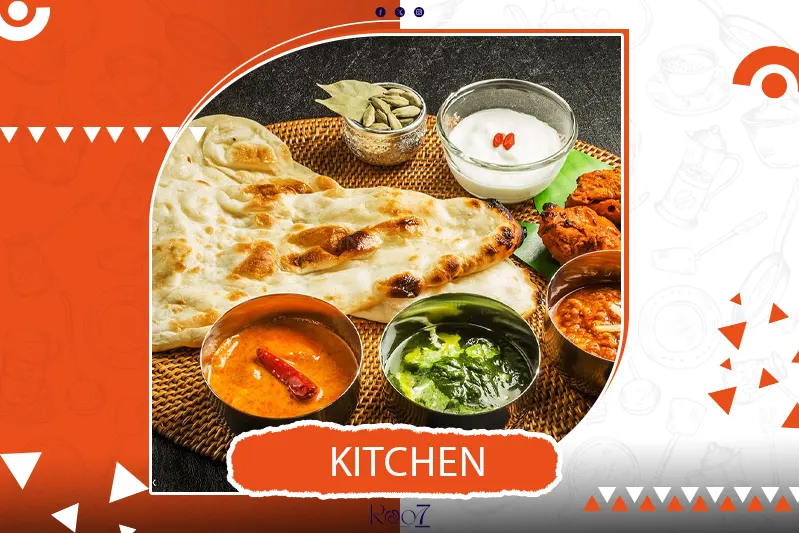
North India: Known for creamy curries, tandoori cooking, and rich breads like naan.
South India: Focuses on rice, coconut, and fermented dishes like dosa and idli.
West India: Features spicy curries, seafood, and unique street foods.
East India: Famous for fish-based dishes, mustard seeds, and subtle flavors.
Exploring these regional specialties allows your kitchen to experience authentic Indian Cuisine flavors, highlighting the creativity and tradition that make it admired among International cuisines.
The Role of Spices
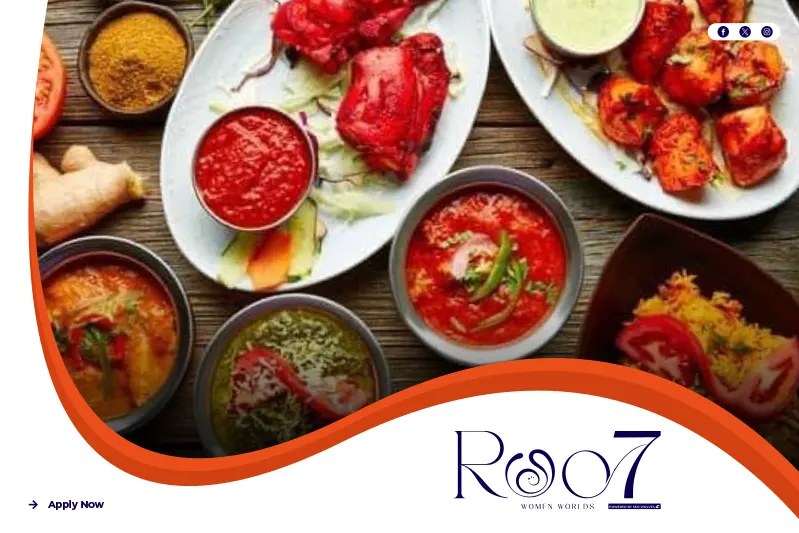
Spices are the heart of Indian Cuisine, giving each dish its distinctive flavor, aroma, and color. Commonly used spices include:
Cumin and Coriander: Provide earthy, warm notes.
Turmeric: Adds color and subtle flavor.
Garam Masala: A blend that enhances the depth of many dishes.
Cardamom and Cloves: Used in both savory and sweet preparations.
Learning to balance and combine spices is essential when cooking Indian Cuisine in your kitchen. Proper spice usage transforms simple ingredients into complex, harmonious dishes, setting Indian Cuisine apart from other International cuisines.
Traditional Indian Cooking Techniques
Understanding traditional techniques is key to mastering Indian Cuisine. These include:
Tadka (Tempering): Heating spices in oil to release their flavors.
Dum (Steaming under Pressure): Used in biryani and slow-cooked dishes.
Grilling (Tandoor): For meats and breads, imparting smoky flavors.
Fermentation: Essential for dosa, idli, and certain bread preparations.
Practicing these techniques in your kitchen ensures authenticity and helps you appreciate the artistry behind Indian Cuisine, which has influenced chefs and home cooks across International cuisines.
Indian Desserts and Baked Goods
No exploration of Indian Cuisine is complete without its desserts. Sweets play a significant role in festivals, celebrations, and everyday life:
Gulab Jamun: Deep-fried milk-based balls soaked in syrup.
Kheer: A rice pudding flavored with cardamom and saffron.
Ladoo: Sweet, round treats made from flour, sugar, and ghee.
Preparing these desserts in your kitchen highlights the balance of sweetness, texture, and aroma, reinforcing the richness of Indian Cuisine and its contribution to global culinary traditions.
Bringing Indian Cuisine Home
Cooking Indian Cuisine in your kitchen allows you to explore flavors, textures, and techniques that are both satisfying and educational. Start with simple curries or lentil dishes, then gradually experiment with more complex recipes like biryani or tandoori preparations.
Using fresh ingredients and quality spices is essential for authenticity. Your kitchen becomes a space to practice layering flavors, balancing heat, and experimenting with traditional methods. Embracing Indian Cuisine at home connects you with a culinary heritage that has influenced countless International cuisines around the world.
Sharing these dishes with family and friends brings the spirit of Indian hospitality into your kitchen, creating memorable experiences beyond just food.
Conclusion
Indian Cuisine is a rich and diverse culinary tradition, celebrated for its bold flavors, intricate techniques, and regional variety. From hearty curries and flavorful snacks to delicate desserts, it offers a complete sensory experience.
By exploring Indian Cuisine in your kitchen, you gain access to centuries of culinary knowledge and creativity. Each dish you prepare, whether a simple dal or a festive biryani, connects you to the essence of India and its impact on International cuisines.
Embrace the spices, techniques, and traditions of Indian Cuisine, and let your kitchen become a space where this vibrant, flavorful culinary heritage comes alive.