
Introduction
In the grand pantheon of global food cultures, few can claim the vibrancy, history, and passionate following of Mexican Cuisine. It is a culinary universe unto itself, a rich and complex mosaic bursting with bold flavors, vivid colors, and intricate textures that dance on the palate. Far more than a mere collection of recipes, it is a living narrative of a nation’s epic history, from its ancient indigenous roots to its complex colonial past and its dynamic, ever-evolving modern identity. While countless international cuisines offer unique and delicious tastes, this tradition provides a complete journey for the senses, one that often begins in the most humble yet essential of places: the home kitchen. To truly explore its depths is to understand how geography, agriculture, and centuries of human culture can combine to create one of the world’s most profoundly satisfying and beloved food traditions.
The Ancient Roots and European Fusion
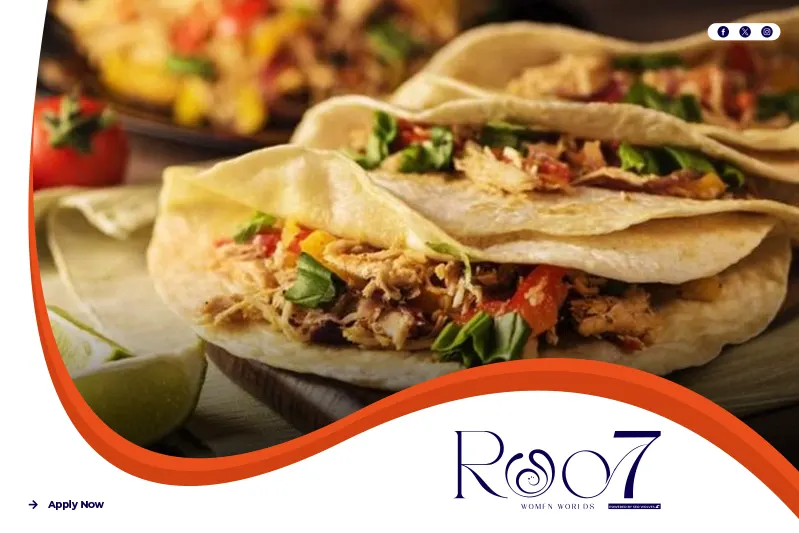
The story of this incredible food is a story of synthesis, a powerful tale of two worlds colliding and creating something entirely new. Long before European ships reached its shores, sophisticated indigenous civilizations—the Olmecs, Mayans, and Aztecs among them—had already established a remarkably advanced agricultural system. They cultivated foundational ingredients that remain utterly indispensable today: corn (maíz), a vast array of beans, countless varieties of chilies, tomatoes, avocados, squash, cacao, and vanilla. This ancient bedrock is what gives authentic Mexican Cuisine its unique soul and unwavering identity. The arrival of the Spanish in the 16th century marked a pivotal, world-changing moment. They introduced livestock such as pork, beef, and chicken, along with dairy products (especially cheese), wheat, rice, onions, garlic, and spices like cinnamon and cilantro. This profound fusion of native ingredients with European additions created an entirely new culinary landscape, a dazzling complexity that many other international cuisines do not possess. From a simple family kitchen where grandmothers pass down recipes, to the most celebrated restaurants, this blend of Old and New World foods is evident in every delicious bite.
The Foundational Trinity: Corn, Chilies, and Beans
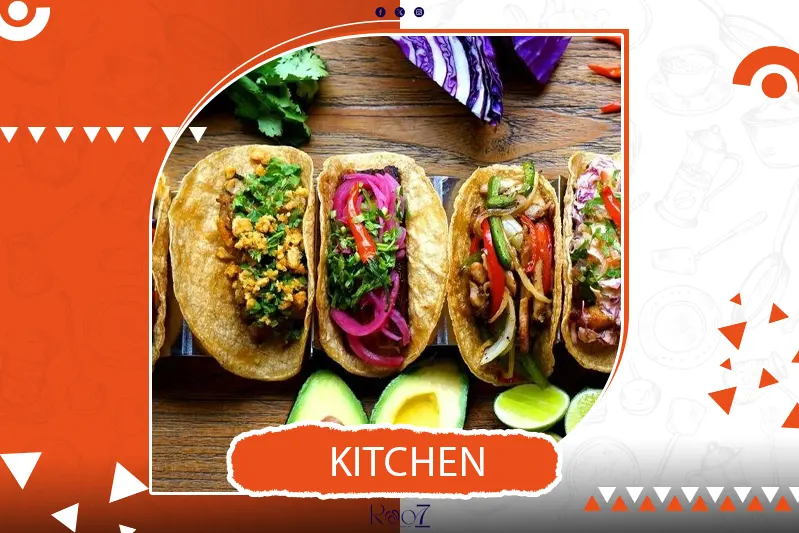
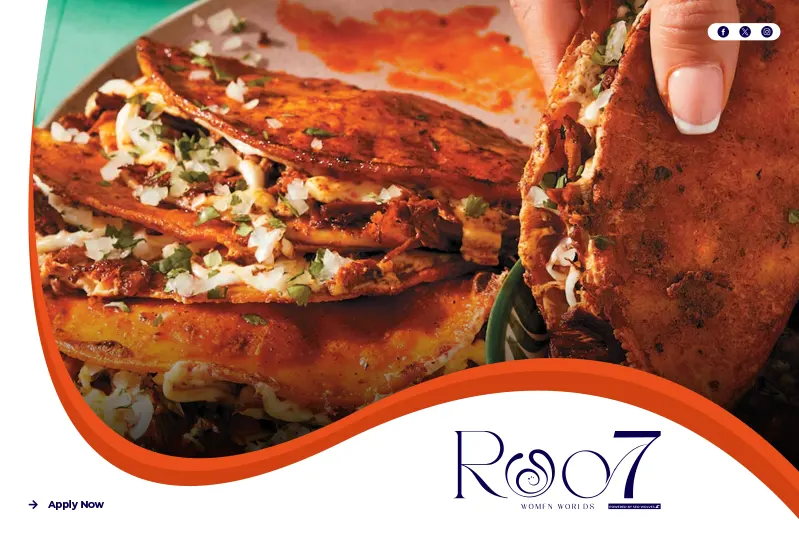
At the very heart of the food are three pillars often referred to as the “holy trinity”: corn, beans, and chilies. Corn is arguably the most sacred ingredient, revered as the very stuff of life. Through the ancient and ingenious process of nixtamalization—soaking the dried kernels in an alkaline solution—it is transformed into masa. This dough is the lifeblood of the cuisine, forming the basis for the ubiquitous tortilla, hearty tamales, thick sopes, and countless other staples that form the backbone of the diet. Chilies provide the fiery spirit and profound depth of flavor. With hundreds of distinct varieties ranging from the mildly fruity guajillo and the smoky, complex ancho to the searing, citrus-like habanero, they offer far more than just heat; they provide nuance, aroma, and a distinct regional character. A well-stocked kitchen in Mexico will always have an impressive array of both fresh and dried chilies to build incredible layers of flavor. Finally, beans, in their many forms—black, pinto, peruano—provide sustenance, essential protein, and a rich, earthy flavor that grounds the entire meal, perfectly complementing the spice of the chilies and the subtle sweetness of the corn. This simple yet powerful foundation is what so profoundly distinguishes it from many international cuisines.
A Journey Through Unparalleled Regional Diversity
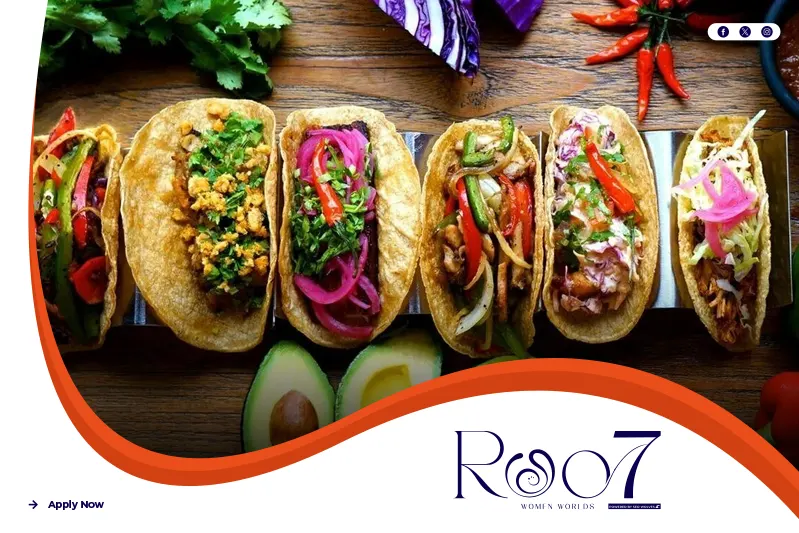
To speak of a single “Mexican food” is a great and fundamental oversimplification. The country’s incredibly vast and varied geography has given rise to a stunning array of distinct regional traditions, each a complete culinary world unto itself. In Oaxaca, famously known as “The Land of the Seven Moles,” the food is elevated to a high art form. The moles here are famously complex, sometimes containing over thirty ingredients—fruits, nuts, chilies, and spices—that are painstakingly prepared over several days, a true testament to the patience and heritage born in the Oaxacan kitchen. This level of complex sauce-making is a pinnacle of Mexican Cuisine.
Travel southeast to the Yucatán Peninsula, and the flavors shift dramatically. Influences from Caribbean, Spanish, and even Middle Eastern cultures are strongly evident. Achiote paste gives dishes like cochinita pibil (slow-roasted pork) its iconic crimson hue and peppery flavor, while sour oranges provide a tangy signature found nowhere else. In contrast, Northern Mexico is ranching country, where grilling (carne asada), high-quality beef, and flour tortillas reign supreme. Head to the Pacific coast of Baja California, and the focus turns to the sea, with mouth-wateringly fresh ceviche, savory fish tacos, and spicy aguachiles that showcase the bounty of the ocean. This regional freshness is on par with the coastal flavors of the world’s best international cuisines. The state of Puebla, meanwhile, is the legendary birthplace of mole poblano and chiles en nogada, dishes that perfectly represent the mestizaje, or mixing, of indigenous and Spanish cultures. Each region offers a unique dialect of the nation’s culinary language, proving the incredible adaptability of Mexican Cuisine.
Read more about American Cuisine
The Modern Evolution on a Global Stage
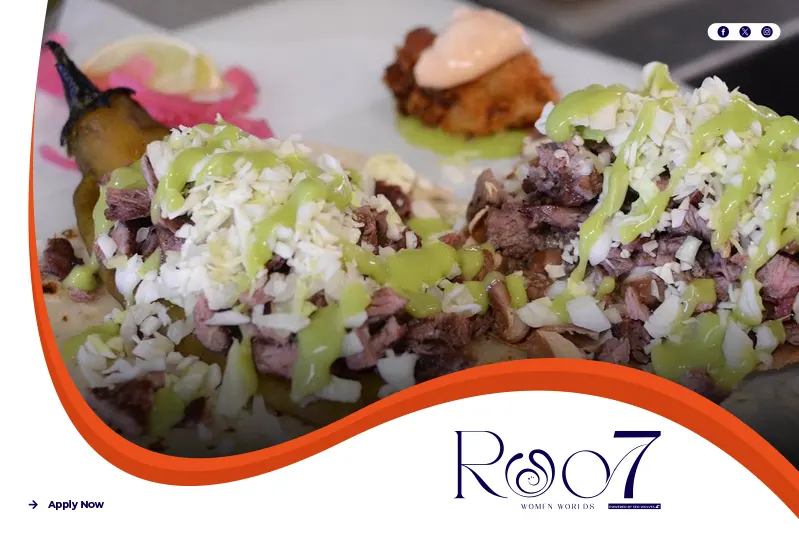
In the 21st century, the influence of this food culture continues to expand and evolve at a breathtaking pace. Visionary chefs in Mexico City, New York, London, and beyond are taking traditional recipes and elevating them to the heights of global fine dining. They are deconstructing classic dishes, applying modern gastronomic techniques, and proving that the possibilities within this culinary framework are limitless. This constant innovation ensures that Mexican Cuisine remains a dynamic and relevant force on the world stage. These chefs are proving that the modern professional kitchen can be a laboratory for spectacular culinary creativity. They often draw inspiration from other international cuisines, blending French cooking methods with Oaxacan ingredients or Japanese minimalism with the fresh seafood of Baja. This global dialogue is transforming the world’s perception of the food, moving it beyond simple street fare to a sophisticated and celebrated art form that is respected worldwide. A dedicated home kitchen is still where many of these chefs first learned the basics from their families. The global reach of these authentic flavors is changing how other international cuisines are perceived.
Conclusion
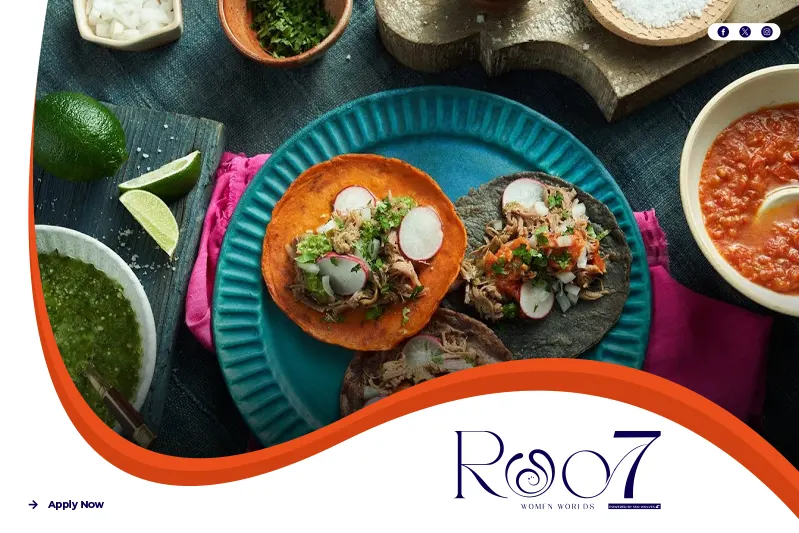
From its ancient agricultural origins in Mesoamerica to its vibrant, modern-day expression in kitchens around the globe, Mexican Cuisine is a powerful testament to the ability of food to tell a nation’s story. It is a tradition built on a hallowed foundation of corn, chilies, and beans, diversified by a vast and beautiful landscape, and enriched by centuries of profound cultural exchange. It stands proudly as a UNESCO Intangible Cultural Heritage of Humanity, a recognition not just of its incredible flavors, but of its deep importance to the world. Far more than just one of many international cuisines, it is a profound cultural experience that invites everyone to the table to share in its heritage. Whether enjoyed from a bustling street food cart, a family dinner table, or a Michelin-starred restaurant, its true soul is found in the connection between the land, the history, and the passionate hands in the kitchen that lovingly prepare it.