


Introduction
When discussions turn to the world’s great culinary traditions, American Cuisine is often painted with an overly broad brush, frequently reduced to stereotypes of fast food burgers and sugary sodas. While these are certainly part of the picture, they represent only a tiny fraction of a vast and deeply flavorful landscape. The true essence of the nation’s food identity is a rich, complex tapestry woven from the threads of indigenous heritage, regional pride, and, most importantly, centuries of immigrant contributions. It stands as a unique and compelling entity when compared to other international cuisines, largely because its identity is one of constant absorption and reinvention. The story of this food is the story of America itself—a grand, bustling, and sometimes chaotic kitchen where ingredients and ideas from every corner of the globe are simmered together to create something entirely new, yet distinctly American.
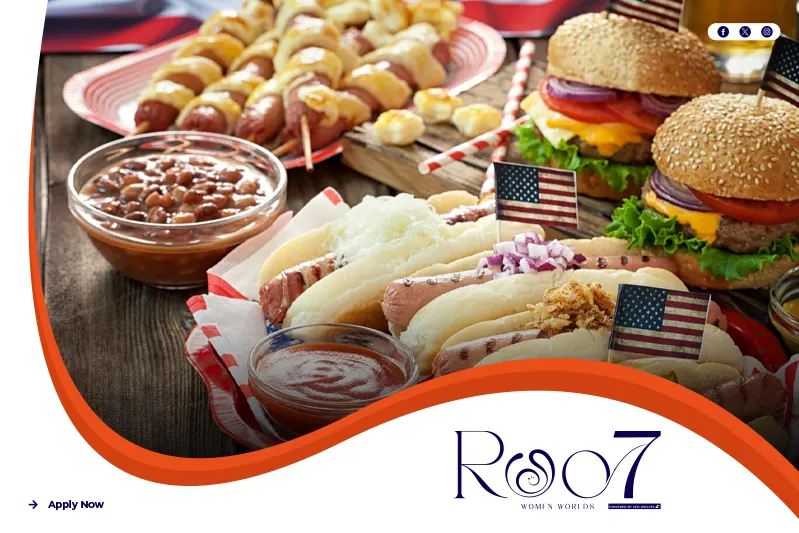
The Soul of Smoke: American Barbecue
No exploration of iconic American food would be complete without a deep dive into the art of barbecue. More than just a method of cooking, barbecue is a cultural institution and a cornerstone of American Cuisine. It’s a slow, patient craft where tough cuts of meat are rendered meltingly tender over low, indirect heat and wood smoke. The regional variations are a fierce point of pride. In Texas, beef is king, with brisket being the undisputed champion, seasoned simply with salt and pepper and smoked for hours until it develops a perfect “bark.” Head east to the Carolinas, and the focus shifts entirely to pork, with whole hogs or shoulders being smoked and then pulled or chopped, served with a tangy vinegar-based sauce. Kansas City style, meanwhile, is famous for its sweet, thick, tomato-based sauce slathered on everything from ribs to chicken. The communal experience of barbecue sets it apart from many other cooking styles found in international cuisines. While the cooking may happen in a smoker outdoors, the all-important rubs and sauces are perfected in the home kitchen.
This tradition, with roots in Native American cooking techniques and Caribbean influences, is a testament to making the most of humble ingredients. It’s a culinary practice that requires time and dedication, a craft passed down through generations. The modern professional barbecue kitchen might have state-of-the-art smokers, but the core principles remain the same. The passion for this specific culinary art form is one of the most defining characteristics of regional American Cuisine.
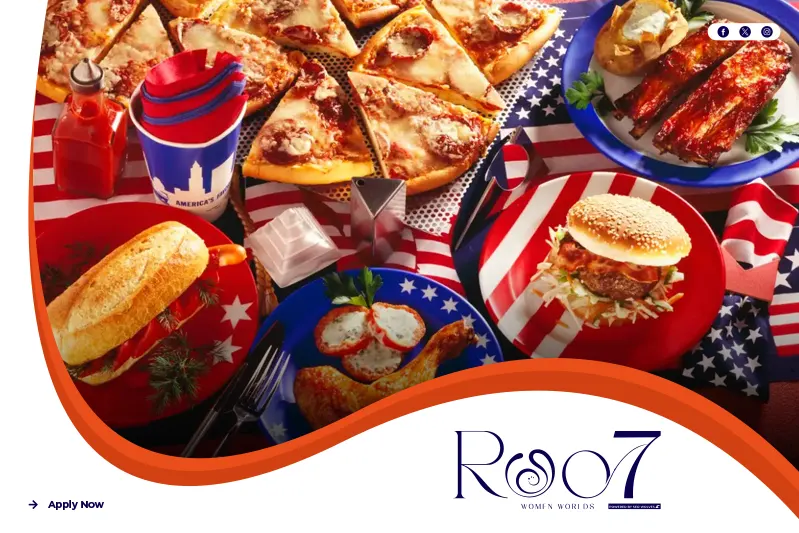
The Embrace of Comfort: Mac & Cheese and Thanksgiving Dinner
Beyond the smoke pits, the heart of the nation’s food culture often lies in its comfort foods—dishes that evoke a sense of warmth, nostalgia, and home. At the top of this list is Macaroni and Cheese. While its origins trace back to Europe, the creamy, cheesy, baked version is a distinctly American icon. It’s a dish that lives a double life: a simple, out-of-the-box staple for a quick weeknight meal, and a gourmet creation in a high-end restaurant kitchen, featuring artisanal cheeses and decadent additions. This versatility is a hallmark of great American Cuisine.
Then there is the Thanksgiving turkey, the centerpiece of a holiday that is quintessentially American. The preparation of this meal is an all-day affair, a ritual that fills the entire house with aromas and transforms the kitchen into the center of the universe for a day. The turkey, stuffing, cranberry sauce, and pumpkin pie are a collection of flavors that, for Americans, are inextricably linked to family and gratitude. Few other international cuisines have a single meal that carries such a heavy weight of national identity. This annual feast is a tradition that reinforces the core values of home and hearth, making the act of cooking and sharing a fundamental part of the culture. It is a shared experience that connects millions of households.
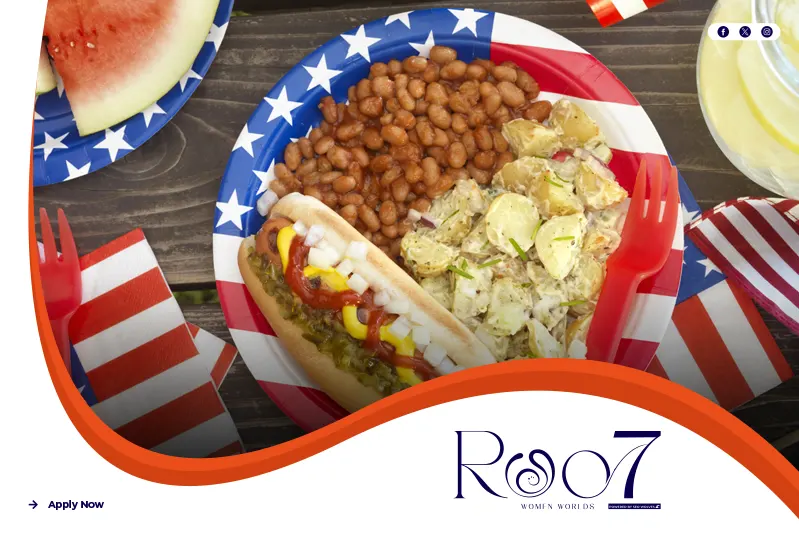
The Icons of the Handheld: Hamburgers and Regional Sandwiches
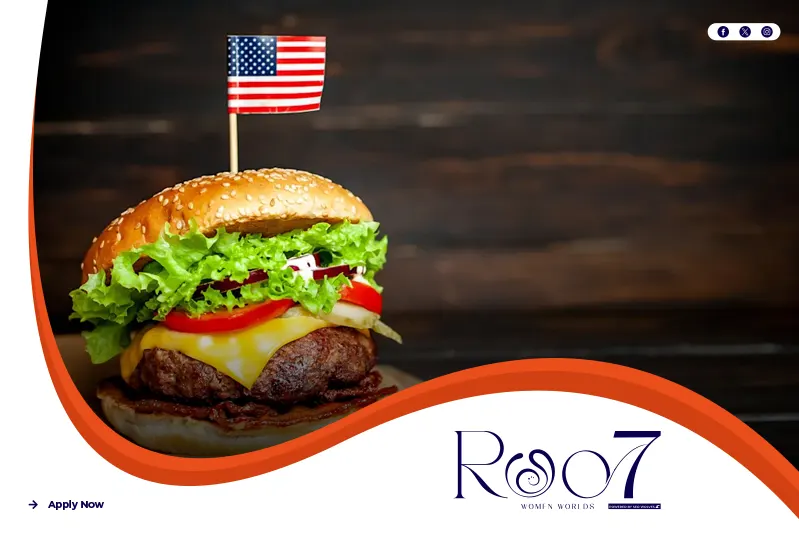
If there is one dish that has become a global ambassador for American Cuisine, it is the hamburger. Its genius lies in its simplicity and its infinite customizability. From a classic diner patty on a squishy bun to a gourmet burger topped with foie gras, it reflects the democratic and inventive spirit of the country. Yet, to understand the nation’s love for handheld meals, one must look beyond the burger to its regional sandwich champions. The Philly Cheesesteak is a glorious concoction of thinly sliced ribeye steak and melted cheese on a long, crusty roll—a masterpiece of simplicity born in a Philadelphia kitchen. In New York, the Reuben sandwich, with its layers of corned beef, Swiss cheese, sauerkraut, and Russian dressing on rye bread, is a testament to the influence of Jewish delicatessens.
Read more about Pregnancy Tips
These sandwiches offer a stark and delicious contrast to the more delicate finger sandwiches or minimalist sandwiches found in some international cuisines. They are hearty, indulgent, and built to be a full meal. The fast-paced evolution of these dishes, from street food to restaurant staples, shows how a simple idea can become a cultural phenomenon. The efficiency of a sandwich, prepared in a bustling professional kitchen, perfectly suited the rapid industrialization and on-the-go lifestyle of 20th-century America.
Sweet Endings: Apple Pie and the Chocolate Chip Cookie
No culinary tour would be complete without dessert, and here too, American Cuisine has its undeniable classics. Apple pie is perhaps the most famous, captured in the idiom “as American as apple pie.” Ironically, neither apples nor the basic pie recipe are native to the United States. However, it was in the American kitchen that this dessert was perfected and adopted as a national symbol of comfort and wholesome goodness. It represents how the culture can take something from the Old World and make it entirely its own.
Even more uniquely American is the chocolate chip cookie, a genuine invention. It wasn’t an adaptation from other international cuisines; it was a happy accident, born in the 1930s in the kitchen of the Toll House Inn in Massachusetts when Ruth Wakefield added chopped chocolate to her cookie dough. This simple creation has become a global sensation, a perfect example of American ingenuity and our collective sweet tooth. These desserts are not about complex pastry techniques; they are about simple, satisfying flavors that feel like a warm hug.

Conclusion
Ultimately, American Cuisine is a story of adaptation, innovation, and fusion. It is a reflection of the nation’s history, a dynamic culinary dialogue between its diverse populations. It is far more complex and rewarding than its global reputation often suggests, holding a unique and fascinating place alongside other great international cuisines. From the smoky depths of barbecue to the comforting embrace of a bowl of mac and cheese, these iconic dishes offer a taste of the country’s soul. The true spirit of this food is found not just in restaurants, but in the home kitchen, where traditions are preserved, recipes are tweaked, and the rich, multicultural story of a nation is told one delicious bite at a time.