
Introduction
The culmination of pregnancy is the birth of a child, a powerful and life-altering moment that marks the transition from expectancy to reality. For expecting parents, one of the most significant topics of discussion and research is the method of delivery. The conversation primarily revolves around two distinct paths, creating the complex comparison of Natural and Cesarean Birth. This choice, whether made in advance or in the midst of labor, is a central part of modern obstetrics, filled with medical facts, personal preferences, and profound emotional considerations. The ultimate goal throughout the entire process of Pregnancy and childbirth is always the same: a healthy mother and a healthy baby. Understanding the fundamental differences, benefits, and potential risks associated with each method is crucial for preparing for the incredible journey that lies ahead—the journey of Motherhood and Childhood.
The Path of Natural Birth: A Physiological Process
A natural, or vaginal, birth is the method by which a baby is born through the birth canal. It is the physiological process that a woman’s body is intricately designed for, involving three distinct stages of labor: the thinning and opening of the cervix, the pushing and delivery of the baby, and finally, the delivery of the placenta. For the vast majority of low-risk pregnancies, this is the recommended and most anticipated path. The benefits of a successful vaginal birth are significant and well-documented. Physically, recovery is typically much faster, with shorter hospital stays and a quicker return to normal activities compared to major abdominal surgery. Mothers often experience an immediate, powerful hormonal rush of oxytocin and endorphins that facilitates bonding and can help initiate breastfeeding.
Furthermore, during a vaginal delivery, the baby is exposed to beneficial bacteria in the birth canal, which plays a crucial role in establishing a healthy gut microbiome and supporting their developing immune system. This experience is a powerful and primal conclusion to the long journey of Pregnancy and childbirth. For many women, the choice between a Natural and Cesarean Birth is clear if there are no overriding medical complications; they desire to experience the labor process as a rite of passage. This initial experience can profoundly shape the early, formative days of Motherhood and Childhood. However, this path is not without its challenges. It can be a long and physically demanding process, sometimes involving interventions. This is a critical factor in any discussion of Natural and Cesarean Birth.
The Role of Cesarean Birth: A Necessary Intervention
A Cesarean birth, commonly known as a C-section, is the delivery of a baby through a surgical incision in the mother’s abdomen and uterus. This procedure can be either planned (elective) or unplanned (emergency). Planned C-sections are often scheduled for clear medical reasons, such as the baby being in a breech (feet-first) position, the mother carrying multiples, or having a health condition like placenta previa where the placenta blocks the cervix. An emergency C-section becomes necessary when unforeseen complications arise during labor. These can include fetal distress, a failure for labor to progress, or a uterine rupture, making it a critical, often life-saving, intervention. The ongoing medical discussion about Natural and Cesarean Birth must always acknowledge the indispensable role C-sections play in ensuring the safety of both mother and child.
As a major abdominal surgery, a C-section carries the associated risks, including potential infection, blood loss, and a longer, more challenging recovery period. Despite these risks, it is an essential tool in modern medicine that has drastically improved outcomes in complicated situations that once had tragic ends. It is a valid and often necessary part of the spectrum of Pregnancy and childbirth. The decision to have this surgery is a critical one, and for many, it is the procedure that ensures the journey into Motherhood and Childhood can begin safely. Therefore, a C-section should never be viewed as a lesser option but as a different path to the same beautiful destination. This medical reality is central to any honest comparison of Natural and Cesarean Birth.
Read more about Nutrition
Recovery and the Postpartum Period
The postpartum recovery experience differs significantly when comparing a Natural and Cesarean Birth. After a vaginal delivery, a mother’s primary physical challenges often involve perineal soreness (especially if tearing occurred), postpartum bleeding (lochia), and uterine contractions as the womb shrinks. While she will be sore and undoubtedly exhausted, mobility is typically restored relatively quickly, allowing her to care for her baby with greater ease. In stark contrast, recovery from a C-section involves healing from a significant surgical wound. This means intensive pain management, a hospital stay of three to four days on average, and strict restrictions on activities like lifting and driving for several weeks. This can make the initial phase of caring for a newborn more physically demanding.
This “fourth trimester” is a delicate time, regardless of the delivery method. The body is healing, hormones are fluctuating wildly, and a new family dynamic is being established. The support system a new mother has in place is crucial during this period. The physical realities of recovery are a fundamental aspect of the transition from Pregnancy and childbirth to active parenting. This period of healing is the very first chapter in the long story of a new family, and it requires patience, grace, and ample help. The entire experience of Pregnancy and childbirth culminates in this phase. The beginning of Motherhood and Childhood is deeply intertwined with this recovery process.
The Emotional and Psychological Journey
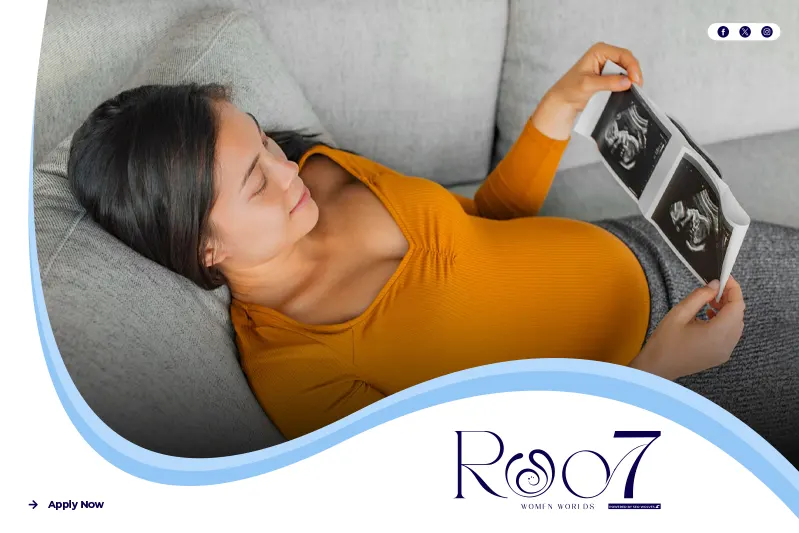
The emotional impact of birth is just as significant as the physical one, and it is a vital component of the Natural and Cesarean Birth debate. Many women who have a vaginal birth, particularly one that aligns with their birth plan, report feeling a profound sense of empowerment and accomplishment. However, if the experience was traumatic or involved unexpected and difficult interventions, it can also lead to feelings of disappointment or distress. For mothers who have a C-section, particularly an unplanned emergency one, there can sometimes be feelings of having “failed” or missed out on the “real” birth experience. It is critically important to dismantle this damaging narrative. Every method of delivery that results in a healthy baby is a success.
Processing the birth story, whatever it may be, is a crucial step for a new mother. The emotional state of the mother directly impacts her ability to bond with her baby and navigate the immense responsibilities that lie ahead. The entire process of Pregnancy and childbirth is an emotional marathon as much as a physical one. Supporting a new mother’s mental well-being is one of the most critical factors for a positive start to her new life chapter. Acknowledging the validity of all birth experiences is a cornerstone of compassionate postpartum care, setting the stage for a healthier transition into Motherhood and Childhood. The journey of Pregnancy and childbirth is deeply personal, and so is its aftermath.
Conclusion
In the end, the dialogue surrounding Natural and Cesarean Birth should not be about which method is “better,” but which is the safest and most appropriate for the individual circumstances of each mother and baby. Both are valid and legitimate ways to bring a child into the world, each with its own set of benefits and challenges. An informed decision, made in open consultation with a trusted healthcare provider, is always the best approach. The journey of Pregnancy and childbirth is notoriously unpredictable, and the ability to remain flexible in the face of the unexpected is key. Whether a baby arrives vaginally or through a surgical birth, the destination is the same: the beginning of a new life and a new family. This moment marks the end of one chapter and the start of the incredible, challenging, and beautiful adventure of Motherhood and Childhood.