
Introduction: Your Blueprint for a Joyful Journey
The journey to your wedding day should be one of excitement, joy, and happy anticipation. However, the sheer number of decisions and tasks involved can quickly become overwhelming, turning a beautiful dream into a stressful reality. The secret to a seamless and enjoyable engagement period lies in a thoughtful, organized approach. This guide is designed to be your blueprint, offering essential Planning Tips to demystify the process and empower you to take control. Effective wedding planning is not about perfection; it’s about creating a day that is a true reflection of your love story without sacrificing your peace of mind. By breaking down the process into manageable phases, all Weddings and Brides can navigate their journey with confidence, ensuring the final destination is a celebration filled with love, not stress.
Phase One: The Big Picture and Foundational Steps
Before you dive into the exciting details like cake tasting and floral arrangements, you must first lay a solid foundation. The initial phase of wedding planning is the most critical, as the decisions made here will inform every other choice you make. Rushing this stage is a common mistake that can lead to budget issues and stress down the line.
Set Your Budget and Vision First
The absolute first step in any wedding journey is to have an open and honest conversation about the budget. This will be the single most important factor guiding your decisions. Knowing exactly what you can afford prevents future heartache and allows you to allocate funds effectively. Once you have a number, the next step is to define your vision. Are you dreaming of a grand ballroom affair or an intimate garden party? Creating a mood board can be one of the most effective Planning Tips at this stage. This visual guide will help you maintain a cohesive aesthetic and communicate your vision clearly to vendors. For all Weddings and Brides, aligning on budget and vision from the start is the key to a harmonious process.

Build Your Master Checklist and Timeline
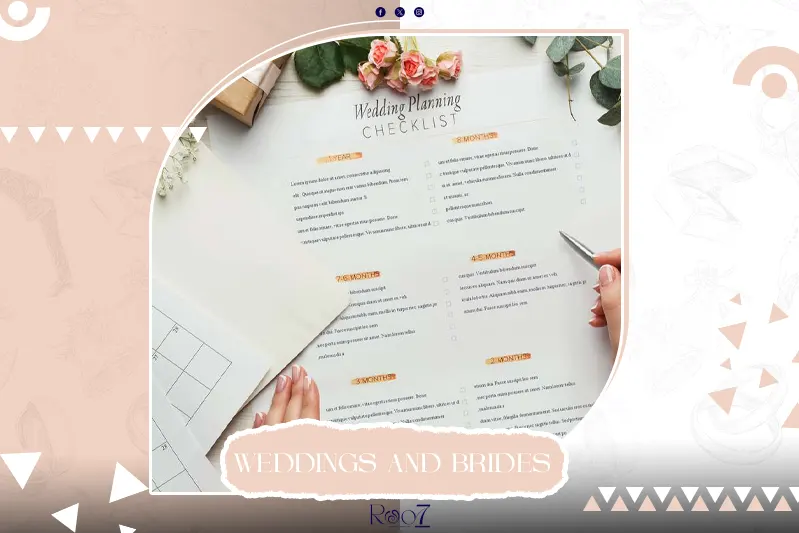
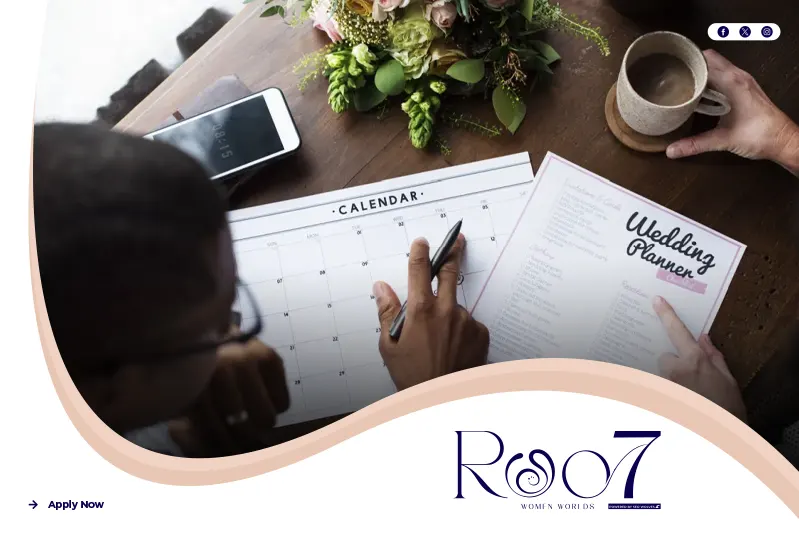
With a budget and vision in place, it’s time to get organized. The task of wedding planning can feel monumental, but a master checklist breaks it down into smaller, more manageable tasks. You can find many comprehensive templates online that you can customize. A timeline is equally crucial, typically starting 12 months out from your desired date. This timeline will outline what needs to be done and when, from booking a venue to sending out invitations. This structured approach prevents last-minute panic and ensures a steady, controlled pace. This is one of those Planning Tips that transforms an overwhelming concept into an achievable project.
Read more about Wedding Decorations

Phase Two: Assembling Your Dream Team
No couple can do it all alone. The next phase of your wedding planning involves selecting the team of vendors who will bring your vision to life. These are the professionals you will be entrusting with the most important day of your life, so choosing wisely is paramount. This is a stage where the research and diligence of Weddings and Brides truly pays off.

Choosing Your Venue and Securing a Date
Your venue is more than just a location; it sets the entire tone and atmosphere for your wedding day and often consumes a significant portion of your budget. It also dictates your official wedding date, as popular venues are often booked more than a year in advance. When considering venues, think about your vision, guest count, and logistical needs. One of the most important Planning Tips is to visit your top choices in person to get a true feel for the space. Once you fall in love with a place, be prepared to sign a contract and pay a deposit to secure your date.

Hiring Key Vendors: Photographer, Caterer, and More
With a venue and date locked in, you can begin securing your other key vendors. This typically includes a photographer, videographer, caterer, florist, and entertainment. This part of wedding planning requires careful due diligence. Read reviews, look through portfolios, and schedule consultations or interviews. It’s crucial to find professionals whose style aligns with your vision and with whom you have a good personal connection. For all Weddings and Brides, it’s essential to get detailed contracts from every vendor outlining all services, costs, and terms before signing or paying a deposit.

Phase Three: The Details That Define Your Day
With the major logistical pieces in place, you can now move into the more creative and personal aspects of wedding planning. This is the phase where you infuse your personality into the celebration, making it uniquely yours. This is often the most enjoyable part of the experience for Weddings and Brides.

Guest List and Invitations
Finalizing your guest list can be one of the most challenging parts of the process. It directly impacts your budget and venue choices. A helpful tip is to create tiered lists (A-list, B-list) to make difficult cuts easier if needed. Once your list is set, you can move on to invitations, which should be sent out six to eight weeks before the wedding. One of the best Planning Tips for managing this is to use a digital RSVP tracker to keep your guest count organized and accurate.

Curating the Atmosphere: Décor, Music, and Attire
This is where your vision truly comes to life. Your choices in décor, from the floral arrangements and centerpieces to the lighting, will create the wedding’s ambiance. Music is another powerful tool for setting the mood, so carefully consider your choices for the ceremony, cocktail hour, and reception. And, of course, there’s the attire. The search for the perfect wedding dress is a cherished rite of passage, and the style of the couple’s attire should feel harmonious with the overall wedding aesthetic. All of these detailed decisions are what make the celebration feel personal and cohesive, which is the ultimate goal of good wedding planning.

The Final Countdown: Managing the Last Month
The weeks leading up to your wedding will be a flurry of activity. This is where your earlier organization will truly pay off, allowing you to handle the final details with grace rather than panic. This final stage is the ultimate test of your wedding planning skills.
Confirm Everything and Create a Day-Of Timeline
In the last month, you should be confirming final details with every single one of your vendors. This includes final guest counts, delivery times, and payment schedules. The single most valuable document you will create is a comprehensive day-of timeline. This detailed schedule should outline the entire day from start to finish, for both the wedding party and the vendors. This is one of the most critical Planning Tips for ensuring a smooth, stress-free day where everyone knows where they need to be and when. This timeline is a lifeline for Weddings and Brides on the big day.

Delegate and Let Go
You cannot and should not do everything yourself on your wedding day. If you don’t have a professional wedding coordinator, delegate tasks to trusted members of your wedding party or family. Assign someone to be the point of contact for vendors, someone to manage the gifts, and someone to ensure the timeline is being followed. One of the most vital Planning Tips is learning to let go. On the day of the wedding, your job is no longer to be a planner; your job is to be present, joyful, and in the moment. Trust that you have done the work, and allow yourself to enjoy the celebration you’ve so carefully created. This is crucial for all Weddings and Brides to truly experience their day.

Conclusion: Enjoying the Fruits of Your Labor
The goal of all the meticulous checklists and careful budgeting is to create a day of effortless celebration. Thoughtful and organized wedding planning is the work you do beforehand so that on the day itself, you can be fully present to marry the love of your life. The entire process is a labor of love that culminates in a beautiful, personal, and unforgettable event. Remember to enjoy the journey, celebrate the milestones along the way, and lean on the last of our Planning Tips: never lose sight of what it’s all about. In the end, a successful wedding isn’t one where everything went perfectly—it’s one where the Weddings and Brides got married and had the time of their lives.