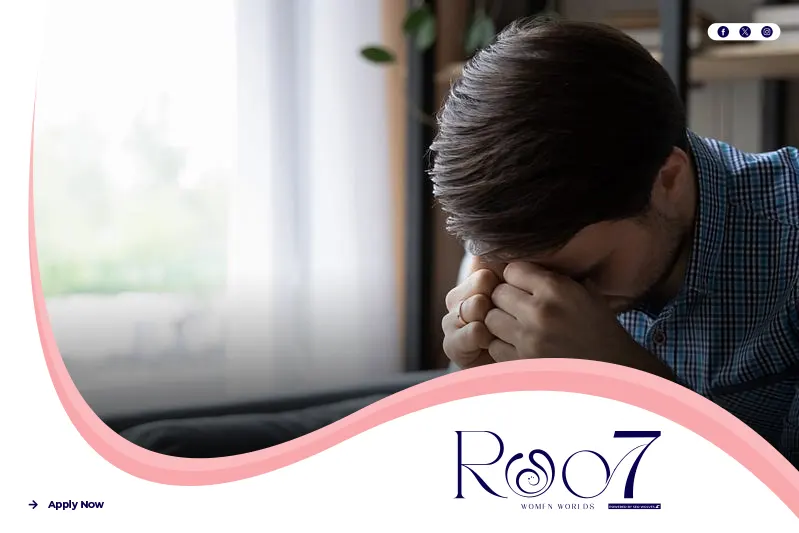

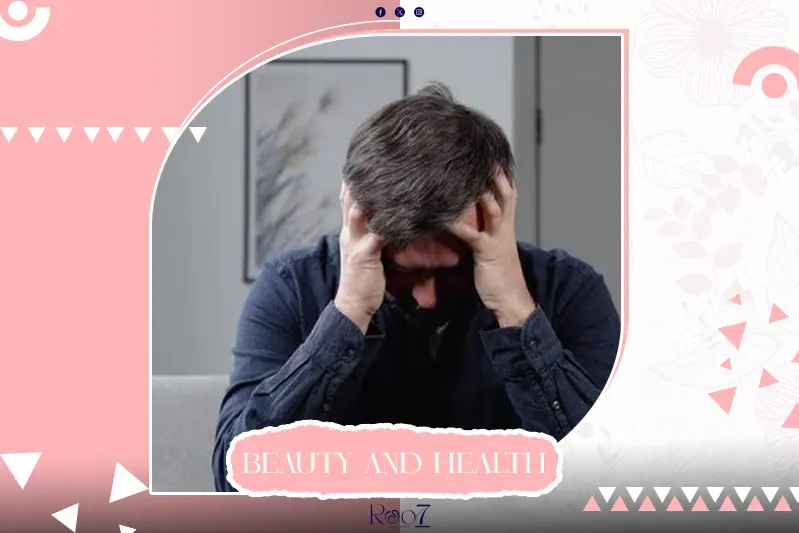
Dealing with daily anxiety and stress can feel overwhelming, but with the right strategies, you can regain control and find inner calm. Anxiety management is not just about avoiding stressors—it’s about equipping yourself with tools and habits that foster resilience. Incorporating mental health tips into your routine can significantly improve your overall well-being. In this guide, we’ll explore practical techniques for stress relief and effective panic attack relief, ensuring you have a comprehensive approach to handle life’s daily pressures.
Understanding Anxiety and Stress
Anxiety is a natural response to challenging situations, but when it becomes persistent, it can affect your quality of life. Daily stress can manifest physically and emotionally, making anxiety management a priority for maintaining balance. Identifying triggers is the first step in stress relief—whether it’s work deadlines, personal commitments, or unexpected challenges, recognizing what causes tension helps in managing it effectively.
Mental health tips like maintaining a consistent sleep schedule, journaling thoughts, and practicing mindfulness can enhance your resilience. When stress becomes overwhelming, knowing how to implement panic attack relief strategies is essential for immediate comfort.
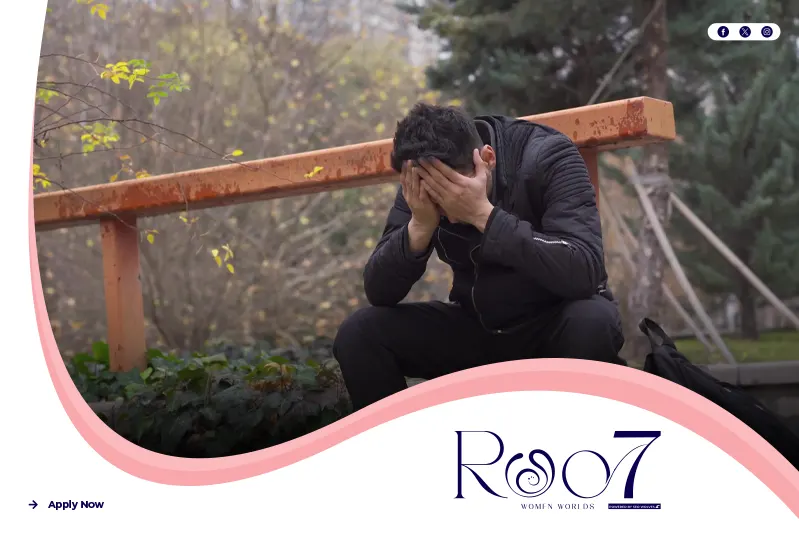
Effective Anxiety Management Techniques
Daily Routine Adjustments
One of the most effective ways to achieve anxiety management is through a structured daily routine. Incorporating regular breaks, prioritizing tasks, and setting realistic goals can reduce mental clutter and stress. Using mental health tips such as planning your day in advance ensures that you can respond calmly to unexpected challenges.
Breathing and Mindfulness
Practicing breathing techniques is a cornerstone of stress relief. Simple techniques like inhaling deeply for four counts, holding for four, and exhaling for four can lower heart rate and ease tension. Pairing these exercises with mindfulness allows you to focus on the present moment, reducing intrusive thoughts and enhancing overall anxiety management.
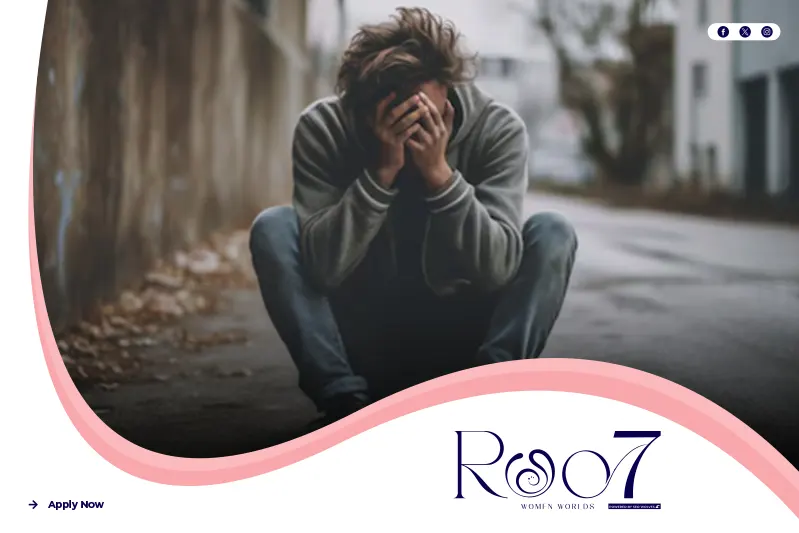
Physical Activity and Self-Care
Regular exercise is a proven method for stress relief. Activities like walking, yoga, or light cardio release endorphins, which naturally elevate mood. Additionally, self-care practices such as taking a warm bath, listening to soothing music, or enjoying a hobby can complement panic attack relief strategies and support long-term mental health tips.
Nutrition and Lifestyle for Stress Relief
Eating a balanced diet rich in omega-3s, antioxidants, and vitamins can aid in anxiety management. Limiting caffeine and alcohol consumption prevents spikes in stress levels, reinforcing stress relief. Hydration and consistent meals also stabilize energy levels, making it easier to implement mental health tips and cope with daily stressors.
Sleep hygiene is another critical component of anxiety management. Establishing a calming bedtime routine, reducing screen time before bed, and maintaining a consistent sleep schedule enhance both physical and mental recovery.
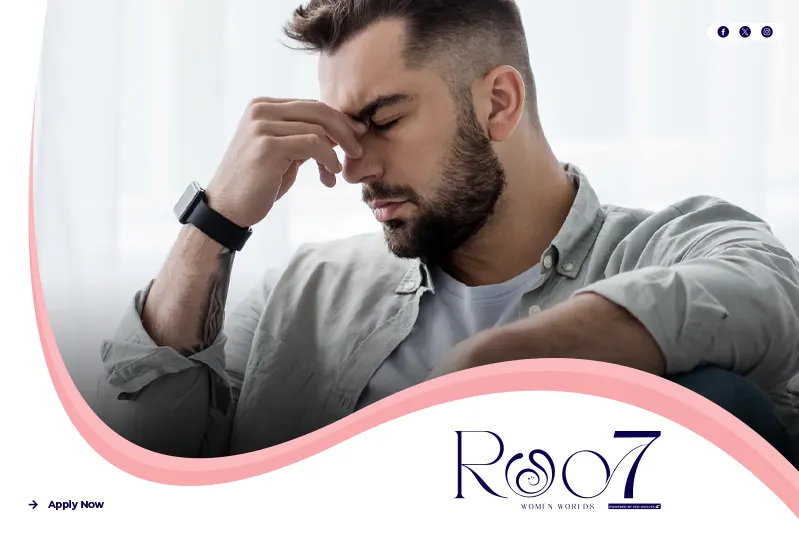
Recognizing and Handling Panic Attacks
Understanding how to respond during a panic attack is crucial for immediate panic attack relief. Recognizing the signs—rapid heartbeat, shortness of breath, or dizziness—allows you to employ breathing techniques and grounding techniques effectively. Using mindfulness to observe sensations without judgment helps diminish fear, while regular mental health tips and practices can reduce future occurrences.
Coping Strategies for Everyday Life
Incorporating small habits consistently contributes to long-term stress relief. Daily mental health tips like gratitude journaling, limiting negative media exposure, and connecting with supportive friends or family improve overall emotional resilience. Planning ahead for high-stress situations provides a sense of control, enhancing anxiety management even in challenging circumstances.

What are the fastest ways to calm anxiety?
- Deep Breathing techniques: Slow, controlled breaths immediately reduce tension.
- Mindfulness: Focus on the present moment to prevent spiraling thoughts.
- Physical Movement: Short walks or stretching help release nervous energy.
- Progressive Muscle Relaxation: Tense and release muscle groups to alleviate bodily stress.
- Distraction Methods: Listening to music, reading, or engaging in a hobby redirects focus from anxious thoughts.
Implementing these strategies consistently reinforces panic attack relief and contributes to ongoing stress relief.
Managing daily anxiety and stress requires a combination of proactive anxiety management, consistent stress relief practices, and practical mental health tips. From structured routines and breathing exercises to nutrition and mindfulness techniques, these tools empower you to face challenges with confidence and composure. By understanding your triggers and consistently applying effective strategies, you can transform your daily stress into manageable, even productive, energy. Remember, incorporating panic attack relief techniques ensures that moments of heightened anxiety do not control your day. With commitment and self-awareness, you can achieve lasting calm and mental clarity.