
Many adults struggle with hormonal acne, a type of breakout triggered by hormonal fluctuations. Commonly appearing around the chin and jawline, these blemishes are often linked to period breakouts or hormonal imbalances caused by conditions like PCOS. Understanding the causes of Late-onset acne is crucial for effective treatment and prevention. Supporting hormone balance through lifestyle, diet, and medical interventions can help reduce period breakouts, manage chin and jawline acne, and restore healthy, clear skin.
What Is Hormonal Acne?
Understanding Hormone-Related Breakouts
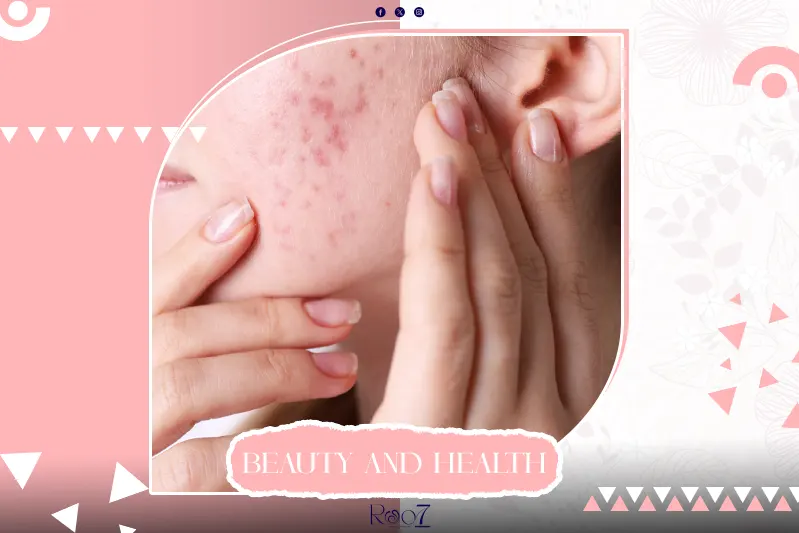
Hormonal acne occurs when androgen hormones increase oil production in the skin, clogging pores and causing inflamed bumps. Women often notice period breakouts just before their menstrual cycle, while adults with hormone fluctuations may experience persistent blemishes.
Common Characteristics
Typical Late-onset acne appears around the lower face, especially the chin and jawline. These breakouts are often deep, painful, and resistant to standard acne treatments. Understanding triggers like period breakouts or hormonal shifts is essential for effective management.
Causes of Hormonal Acne
Menstrual Cycle Fluctuations
Hormonal shifts during the menstrual cycle are a primary cause of period breakouts. Increased androgen levels stimulate sebaceous glands, leading to clogged pores and inflammation. Identifying this pattern is key to addressing Late-onset acne effectively.
Hormone Imbalance and Conditions
Conditions such as PCOS, thyroid disorders, or Late-onset acne can exacerbate hormonal acne. Imbalances impact the skin’s oil production and may contribute to persistent chin and jawline acne. Supporting hormone balance through lifestyle, diet, and medical guidance is critical for managing breakouts.
External Factors That Worsen Hormonal Acne
Poor skincare habits, stress, and certain medications can aggravate Late-onset acne and trigger period breakouts. Over-washing, harsh scrubs, or comedogenic products increase irritation and may prolong recovery.
Best Treatments for Hormonal Acne
Skincare Solutions
A consistent skincare routine targeting Late-onset acne is essential. Use gentle cleansers, exfoliants, and non-comedogenic moisturizers. Products designed to treat chin and jawline acne help reduce inflammation and prevent new blemishes.
Topical Treatments
Topical treatments containing benzoyl peroxide, salicylic acid, or retinoids effectively combat hormonal acne. Applying these products daily can reduce period breakouts and minimize chin and jawline acne over time.
Oral and Medical Treatments
For severe Late-onset acne, dermatologists may recommend birth control pills or anti-androgen medications to regulate hormone levels. These treatments target period breakouts and chin and jawline acne from the source, promoting long-term skin clarity.
Supporting Hormone Balance
Maintaining hormone balance through a healthy diet, regular exercise, and stress management helps prevent hormonal acne. Addressing underlying issues such as PCOS-related skin changes can significantly reduce breakouts and improve overall skin health.
Lifestyle Tips for Managing Hormonal Acne
Diet and Hydration
A diet rich in whole foods, low in sugar and dairy, can help regulate hormonal acne. Staying hydrated supports skin health and reduces the frequency of period breakouts.
Stress Management
Chronic stress disrupts hormone balance and may worsen chin and jawline acne. Incorporating relaxation techniques, yoga, or meditation can complement skincare and medical treatments.
How do you get rid of hormonal acne naturally?
To naturally manage Hormonal acne, focus on diet, hydration, and gentle skincare. Use products targeting chin and jawline acne and maintain hormone balance through lifestyle adjustments. Herbal supplements, stress reduction, and consistent cleansing can help reduce period breakouts and improve skin clarity without aggressive medications.
Hormonal acne can be frustrating, especially when linked to period breakouts or chin and jawline acne. Understanding the underlying causes and supporting hormone balance are key to long-term control. Combining proper skincare, medical interventions when needed, and lifestyle adjustments helps manage breakouts effectively. Addressing PCOS skin issues, promoting adult acne prevention, and maintaining consistent routines ensure your skin remains healthy, clear, and radiant. The key to long-term improvement lies in restoring and maintaining hormonal balance, which ultimately supports healthier skin from the inside out.