
Introduction: The Miraculous Journey of New Life
As a pleasant October evening settles over the vibrant city of Cairo, we are reminded of the natural cycles of life, growth, and new beginnings. Few experiences in the human condition are as profound, transformative, or universally miraculous as the journey of bringing a new life into the world. It is a path of incredible physical change, deep emotional evolution, and boundless anticipation. This guide is intended to be a comprehensive and reassuring companion for that path, a roadmap through the intricate and beautiful process of Pregnancy and childbirth. From the first fluttering moments of confirmation to the powerful culmination of birth, our goal is to demystify the stages, answer the pressing questions, and empower expecting parents with knowledge and confidence.

The journey is more than just a nine-month biological process; it is a fundamental transition, a sacred gateway into the lifelong adventure of parenthood. Each decision made and every milestone reached during this time lays the essential groundwork for the future. The entire experience of Pregnancy and childbirth is the biological and emotional prelude to the profound and rewarding chapter of Motherhood and Childhood. Understanding the nuances of this period—the physical needs, the emotional shifts, the key developmental stages—is an act of love and preparation for the incredible responsibilities and joys that lie ahead. This guide will walk you through each trimester, through labor and delivery, and into the precious early days of the postpartum period, offering a holistic view of the entire, wondrous process of Pregnancy and childbirth.

The First Trimester: The Foundation of Life (Weeks 1-12)
The first trimester is a period of silent, rapid, and truly miraculous development. While outward signs may be subtle at first, inside the mother’s body, the intricate blueprint of a new human being is being laid down with breathtaking speed and precision. This is the foundational stage of Pregnancy and childbirth, where every system and organ begins to form.
Early Signs and Confirmation
For many, the very first inkling of pregnancy comes with a missed menstrual period. This is often accompanied by other subtle signs, such as tender breasts, heightened sensitivity to smells, and a new, profound sense of fatigue. A home pregnancy test can provide the first confirmation, but a visit to a healthcare provider is essential to confirm the pregnancy with a blood test or ultrasound and to establish a plan for prenatal care. This initial appointment marks the official start of the medical journey of Pregnancy and childbirth, a partnership between the expecting mother and her care team.

Critical Developments and Maternal Changes
During these first twelve weeks, the fertilized egg transforms into an embryo and then a fetus with a beating heart, a developing brain, and the beginnings of all major organs. It is a period of intense and critical growth. Simultaneously, the mother’s body is undergoing a massive hormonal shift to support this new life. This hormonal surge is responsible for many of the classic first-trimester symptoms, including nausea (often called “morning sickness,” though it can occur at any time of day), mood swings, and food aversions or cravings. Navigating this phase requires patience and self-compassion, understanding that these changes are a normal part of the process. This is a crucial phase in the journey of Pregnancy and childbirth.

Essential Early Care
Proper care during the first trimester is vital for setting the stage for a healthy pregnancy. One of the most critical components is prenatal nutrition, with a special emphasis on folic acid. This B vitamin is essential for the healthy development of the baby’s neural tube (which becomes the brain and spinal cord) and can significantly reduce the risk of serious birth defects. Healthcare providers will almost always recommend a high-quality prenatal vitamin. It is also a time to become mindful of lifestyle choices, avoiding alcohol, smoking, and certain foods that could pose a risk. These early, proactive steps are the first profound acts of nurturing, laying a strong foundation for the entire future of Motherhood and Childhood. This initial phase of Pregnancy and childbirth is truly foundational.

The Second Trimester: The Golden Period (Weeks 13-27)
Often referred to as the “golden trimester,” the second trimester frequently brings a welcome reprieve from the discomforts of the first. Nausea and fatigue often subside, replaced by a renewed sense of energy and well-being. This is a time of visible growth and joyful milestones, a period where the pregnancy often begins to feel more real and exciting.

A Surge of Energy and Visible Changes
As the body adjusts to the hormonal changes, many women experience a “pregnancy glow,” a result of increased blood volume bringing more blood to the skin. The baby bump becomes more pronounced, and the pregnancy becomes visible to the outside world. This is often a time of great joy and excitement, a period to be savored in the long journey of Pregnancy and childbirth. It’s an ideal time to focus on enjoying the process and connecting with the growing baby within.

Key Milestones: Anatomy Scan and Feeling Movement
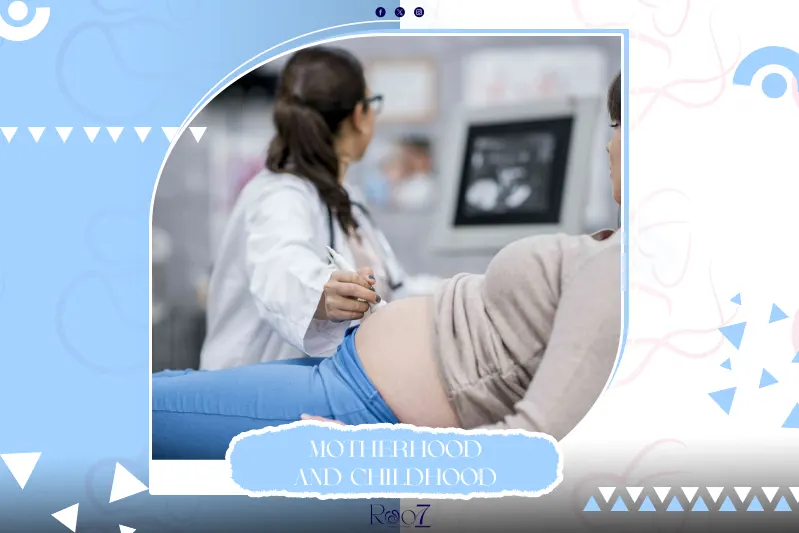
One of the most anticipated events of the entire pregnancy occurs during this trimester: the mid-pregnancy anatomy scan. This detailed ultrasound, typically performed around 20 weeks, checks the baby’s physical development from head to toe, and it’s often when the baby’s sex can be determined, if the parents wish to know. Another magical milestone is feeling the baby’s first movements, known as “quickening.” These initial gentle flutters will gradually become more distinct kicks and rolls, creating a powerful and tangible connection between mother and child. These moments are precious highlights in the overall experience of Pregnancy and childbirth.

Nurturing Your Well-being
With renewed energy, the second trimester is an excellent time to focus on overall wellness. Engaging in safe and moderate exercise, such as swimming, walking, or prenatal yoga, can help with circulation, reduce backaches, and improve mood. A balanced diet continues to be crucial for both maternal health and fetal development. This is also a fantastic time for planning and preparation, such as attending childbirth education classes. These classes provide invaluable information about the labor process, pain management techniques, and newborn care, empowering parents and reducing anxiety about the upcoming birth. This educational aspect of Pregnancy and childbirth is key to feeling prepared for the transition to Motherhood and Childhood.

The Third Trimester: Final Preparations for Arrival (Weeks 28-40+)
The third trimester is the final stretch, a time of rapid growth for the baby and significant physical changes for the mother. It is a period of final preparations, nesting instincts, and a mix of excitement and anticipation for the momentous event to come. This final phase of Pregnancy and childbirth is all about getting ready for the big day.

Physical Changes and Common Discomforts
As the baby grows and descends into the pelvis, the mother’s body will feel the effects. Common discomforts can include backaches, shortness of breath, heartburn, and difficulty sleeping. Braxton Hicks contractions, or “practice” contractions, may become more frequent as the body prepares for labor. Many women also experience a strong “nesting” instinct, a sudden urge to clean, organize, and prepare the home for the baby’s arrival. This is a natural and productive part of the mental preparation for Motherhood and Childhood.

Preparing for Labor: Birth Plans and Education
This is the time to finalize a birth plan, a document that outlines your preferences for labor and delivery. This can include your wishes regarding pain management, the atmosphere in the delivery room, and immediate postpartum care. It serves as a valuable communication tool between you, your partner, and your medical team. Continuing education about the stages of labor and what to expect can further build confidence. Understanding the signs of labor and when to go to the hospital is crucial knowledge during this final stage. This proactive planning is a vital part of the Pregnancy and childbirth process, helping to ensure a more positive and empowered experience.

Your Final Check-ups and Monitoring
In the final weeks, prenatal appointments will become more frequent. Your healthcare provider will monitor your blood pressure, the baby’s growth, and their position in the womb. This close monitoring is essential to ensure the well-being of both mother and baby as the delivery date approaches. These final check-ups are the last steps in the prenatal phase of Pregnancy and childbirth, transitioning focus towards the imminent birth. The entire process of Pregnancy and childbirth is a marathon, and this is the final lap.

Labor and Delivery: The Culmination of Pregnancy
The moment of birth is the powerful and emotional climax of the entire journey. It is a physically intense and transformative experience that brings the nine months of waiting and preparation to a beautiful and powerful conclusion. This is the most active and defining part of the Pregnancy and childbirth experience.

Understanding the Stages of Labor
Labor is typically divided into three stages. The first stage involves the thinning (effacement) and opening (dilation) of the cervix and is the longest stage. The second stage begins when the cervix is fully dilated and ends with the birth of the baby. The third and final stage is the delivery of the placenta. Understanding these stages can help you work with your body and manage the process more effectively. This knowledge is a key component of a positive Pregnancy and childbirth experience.

Pain Management Options: From Natural to Medicated
There is a wide spectrum of options available for managing the pain of labor, and the right choice is a deeply personal one. Options range from non-medicated techniques like breathing exercises, hydrotherapy (laboring in water), and changing positions, to medicated options like an epidural block, which provides significant pain relief. It’s important to be educated about all options, as flexibility is key during the unpredictable course of labor. This is a central discussion within the field of Pregnancy and childbirth.

The Moment of Birth and the Golden Hour
The birth of the baby is a moment of unparalleled emotion. Immediately following the delivery, the “golden hour” is a protected period of time for the new parents and baby to bond. Placing the newborn directly on the mother’s chest for skin-to-skin contact helps regulate the baby’s temperature, heart rate, and breathing, and it is a crucial first step in the bonding process that marks the beginning of Motherhood and Childhood. This moment is the beautiful reward for the entire journey of Pregnancy and childbirth.

The Postpartum Period: The Fourth Trimester
The journey does not end with delivery. The postpartum period, often called the “fourth trimester,” is a critical time of healing, adjustment, and profound bonding. This is when the reality, challenges, and immense joys of parenthood truly begin. This period is the official, hands-on start of Motherhood and Childhood.

Physical Recovery and Healing
The mother’s body has undergone a monumental task and requires time to heal. Recovery involves managing postpartum bleeding, uterine contractions as the womb shrinks, and healing from either a vaginal birth or a Cesarean section. Rest, proper nutrition, and accepting help from partners, family, and friends are absolutely essential during this time. The physical recovery is a vital, and often overlooked, part of the complete Pregnancy and childbirth experience.

Emotional Well-being and Baby Blues
The postpartum period is also a time of significant hormonal shifts, which can lead to emotional changes. The “baby blues,” characterized by mood swings and weepiness, are very common in the first couple of weeks. It’s crucial to have a strong support system and to monitor for signs of more serious conditions like postpartum depression. The mental health of the new mother is a cornerstone of a healthy and happy transition into Motherhood and Childhood.
Newborn Care and Bonding
The first few weeks are an intense period of learning and adjustment. The focus is on the basics of newborn care—feeding (whether by breast or bottle), changing diapers, and understanding sleep cues. This is also a time of deep bonding, of getting to know this new little person. These early interactions, the gazes, the cuddles, and the quiet moments, are the very foundation of the parent-child relationship. This is the practical, day-to-day reality of Motherhood and Childhood. The entire process of Pregnancy and childbirth leads to this beautiful, challenging new beginning.

Conclusion: Embracing the New Chapter
The journey from the first confirmation of pregnancy to holding your newborn in your arms is a testament to the strength and resilience of the human body and spirit. It is a path filled with milestones, challenges, and moments of profound, unparalleled joy. Every experience of Pregnancy and childbirth is unique, a personal story that unfolds in its own time and in its own way. We hope this guide has served as a source of clarity and empowerment, helping you to navigate this incredible journey with confidence.
The end of pregnancy is not an ending at all, but a beautiful and momentous beginning. It is the start of a new chapter, a new identity, and a new kind of love. The challenges and lessons of Preganthood and Childhood are just beginning. As you embark on this next phase, be patient and kind with yourself. Cherish the small moments, lean on your support system, and trust in your instincts. The entire, miraculous process of Pregnancy and childbirth is the gateway to the most rewarding journey of all: the beautiful, chaotic, and love-filled adventure of Motherhood and Childhood.