
The rich culinary heritage of the Middle East is known for its warmth, generosity, and unforgettable flavors — and few things capture that spirit better than Arabic Sweets. From golden layers of baklava dripping with syrup to soft, fragrant maamoul filled with dates, these delightful sweets tell a story of culture, family, and celebration. Making Arabic Sweets at home isn’t just about preparing dessert; it’s about bringing centuries of tradition into your kitchen and savoring the taste of history in every bite.
The Charm of Traditional Arabic Sweets
The world of Arabic Sweets is vast and diverse. Each country in the Arab world has its own specialties, ingredients, and festive traditions. Whether it’s Lebanon’s knefeh, Egypt’s basbousa, or the Gulf’s luqaimat, every dish represents love, hospitality, and artistry. These sweets often combine nuts, honey, semolina, and aromatic spices like cardamom and cinnamon — creating desserts that are as rich in flavor as they are in meaning.
In every kitchen, preparing Arabic Sweets brings families together. Grandmothers share their secret syrup ratios, mothers teach delicate folding techniques, and children wait eagerly to sample the results. The process itself is a celebration of togetherness and care.
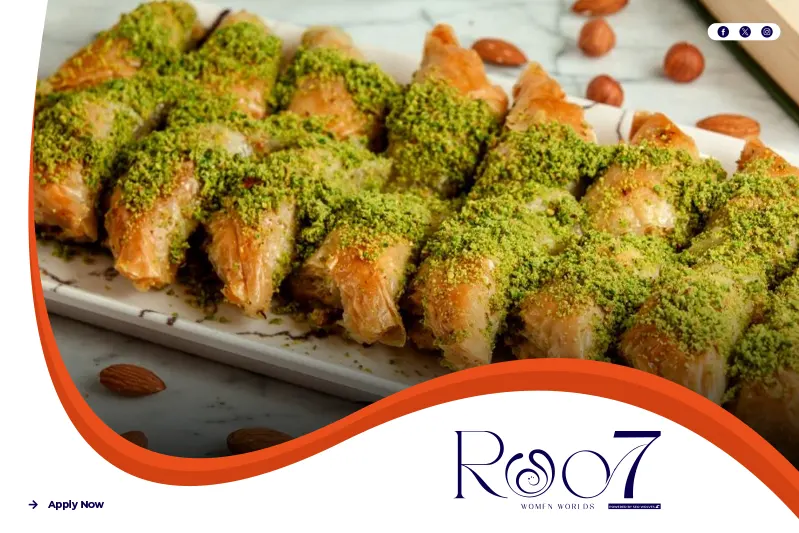
A Taste of the Middle East
One of the most beautiful things about Arabic Sweets is how they capture the essence of Middle Eastern hospitality. Offering sweets to guests is a timeless tradition that symbolizes generosity and respect. Whether it’s during Ramadan, Eid, weddings, or casual visits, no gathering is complete without a plate of glistening Arabic Sweets served alongside Arabic coffee or tea.
In your own kitchen, recreating these desserts lets you experience that same warmth and joy. The aromas of rosewater, orange blossom, and toasted pistachios instantly transport you to the heart of the Arab world.
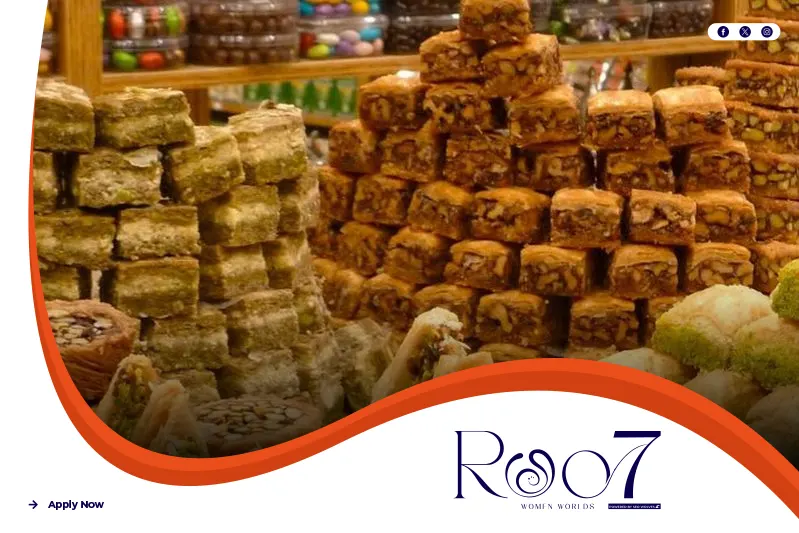
Popular Arabic Sweets to Try at Home
There are countless Arabic Sweets to explore, each with its own flavor profile and preparation method. Here are some beloved classics you can make in your kitchen:
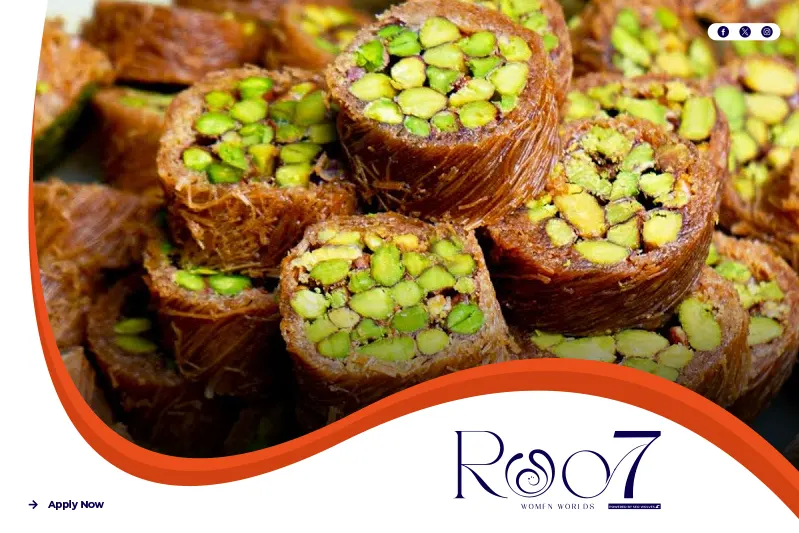
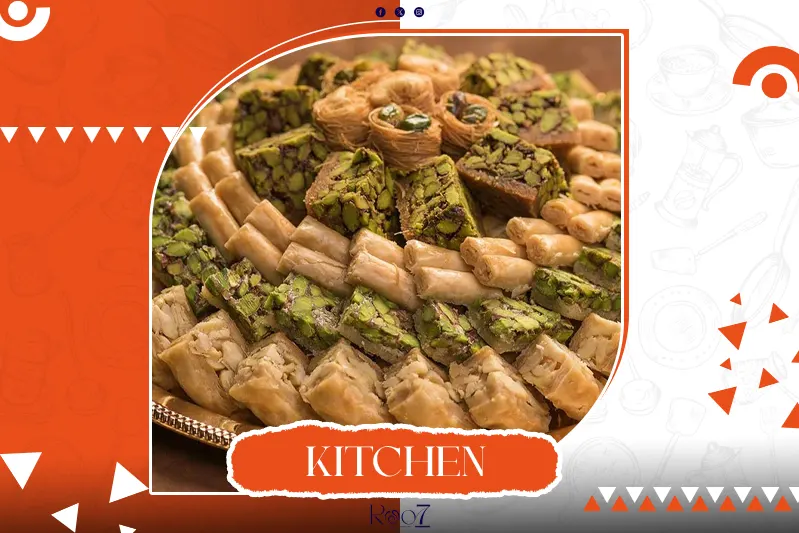
- Baklava – Layers of crispy phyllo dough brushed with butter, filled with nuts, and soaked in honey syrup.
- Maamoul – Soft semolina cookies stuffed with dates, walnuts, or pistachios, often served during Eid.
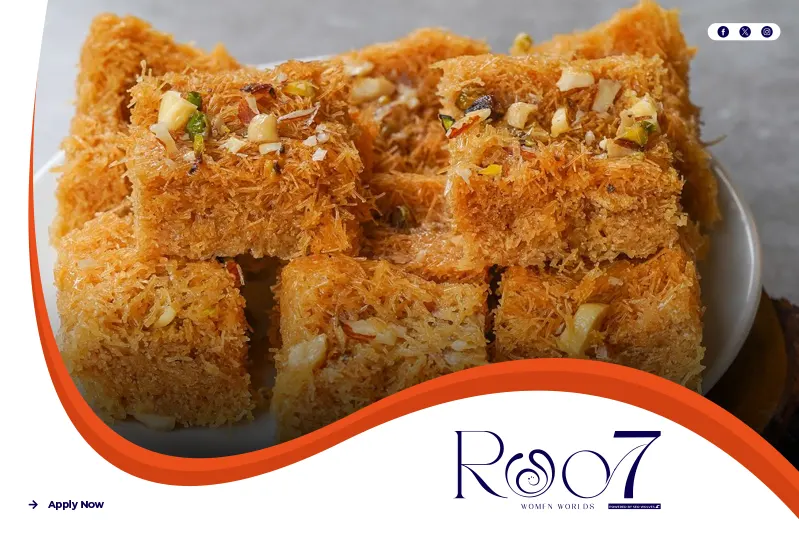
- Basbousa – A moist semolina cake soaked in sugar syrup and topped with almonds or coconut.
- Knefeh – A rich, cheesy dessert with shredded phyllo and sugar syrup, often enjoyed for breakfast or dessert.
- Luqaimat – Golden, bite-sized fried dough balls drizzled with date syrup or honey — simple yet addictive.
Each of these sweets reflects the creativity and warmth of Arabic culture, turning your kitchen into a sweet paradise of texture and aroma.
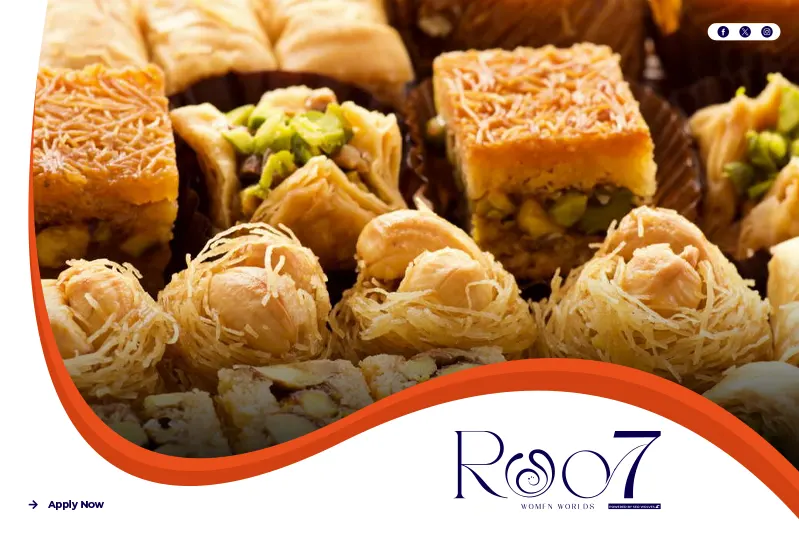
Secrets to Perfect Arabic Sweets
While making Arabic Sweets might seem challenging at first, mastering a few key techniques will ensure your sweets come out perfectly every time:
- Use Quality Ingredients – Fresh nuts, pure honey, and good-quality butter make all the difference.
- Balance the Syrup – The sugar syrup should be fragrant but not overpowering. Add rosewater or orange blossom for an authentic touch.
- Mind the Texture – For crispy desserts like baklava, bake until golden brown; for soft ones like basbousa, avoid overbaking.
- Keep the Kitchen Organized – Many Arabic Sweets require multiple steps, so prepare all your ingredients before starting.
These details may seem small, but they elevate your sweets from ordinary to unforgettable.
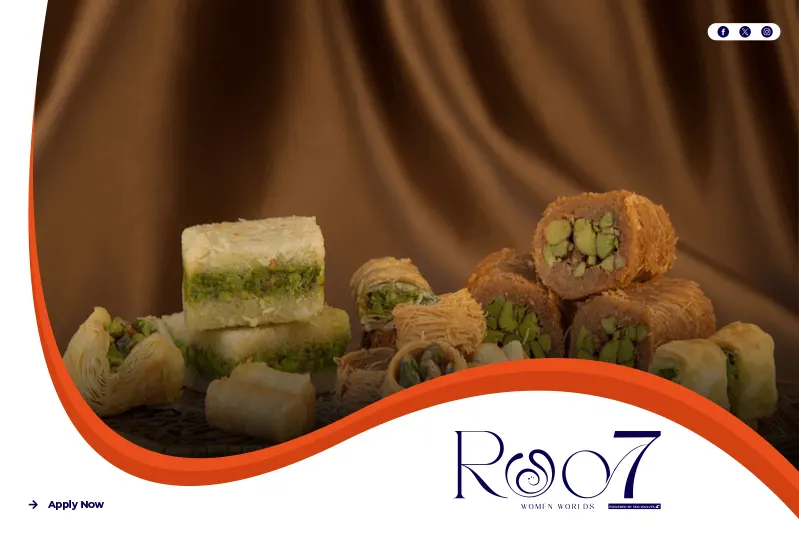
Modern Twists on Classic Recipes
Even though traditional Arabic Sweets have been passed down for generations, there’s plenty of room for innovation. In modern kitchens, many chefs and home cooks are adding creative twists while staying true to classic flavors.
Imagine baklava cups filled with pistachio cream, or date maamoul shaped into elegant bites for tea parties. Some even create fusion desserts — combining Arabic Sweets techniques with Western favorites like cheesecakes or tarts. This creative spirit keeps the tradition alive while making it exciting for a new generation of dessert lovers.
Your kitchen can be a playground for experimenting with these modern interpretations. Try substituting traditional fillings, adding dark chocolate, or using natural sweeteners to make your sweets both healthy and indulgent.
Read more about Western Sweets
The Role of Arabic Sweets in Celebrations
Arabic Sweets are deeply tied to moments of joy and unity. During Ramadan, families gather after iftar to share knefeh and qatayef. During Eid, homes overflow with trays of maamoul and basbousa, lovingly prepared days in advance. Weddings, engagements, and even new births are marked by the exchange of sweets as symbols of happiness and goodwill.
Bringing these traditions into your kitchen means carrying forward the joy of celebration. When you make and share Arabic Sweets, you’re continuing a centuries-old ritual of giving, love, and connection.
Healthier Ways to Enjoy Arabic Sweets
While Arabic Sweets are undeniably delicious, they can also be made in lighter, healthier versions without sacrificing flavor. Instead of deep-frying, try baking your sweets for a lower-fat option. Replace refined sugar with natural alternatives like honey or dates. Use whole wheat semolina or oats to add fiber and nutrients.
Your kitchen can be the perfect place to experiment with these wholesome adaptations — balancing indulgence and wellness in every bite.
Tips for Presentation and Storage
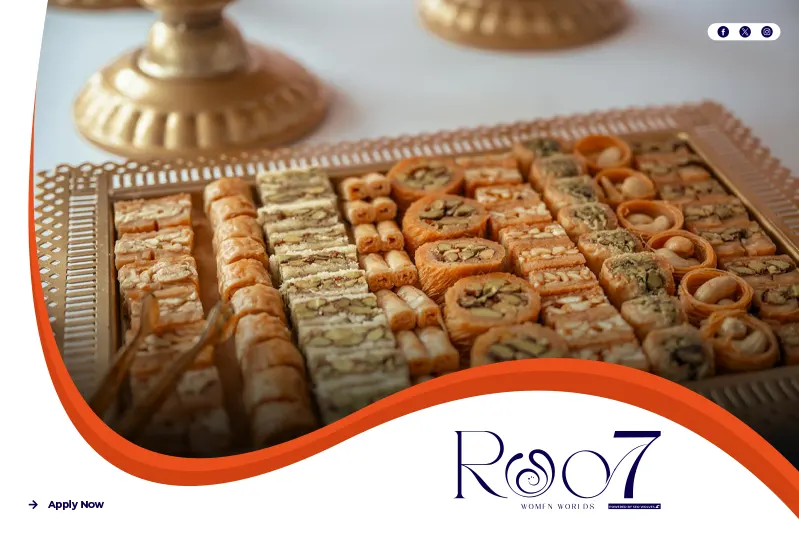
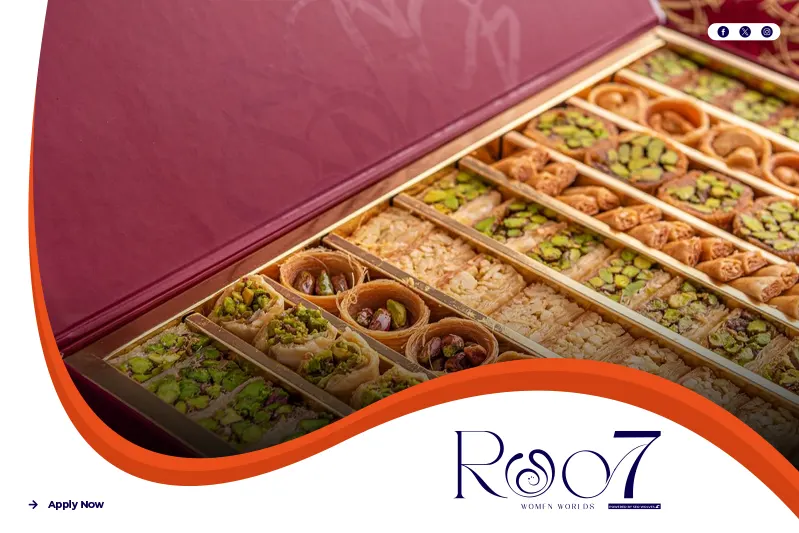
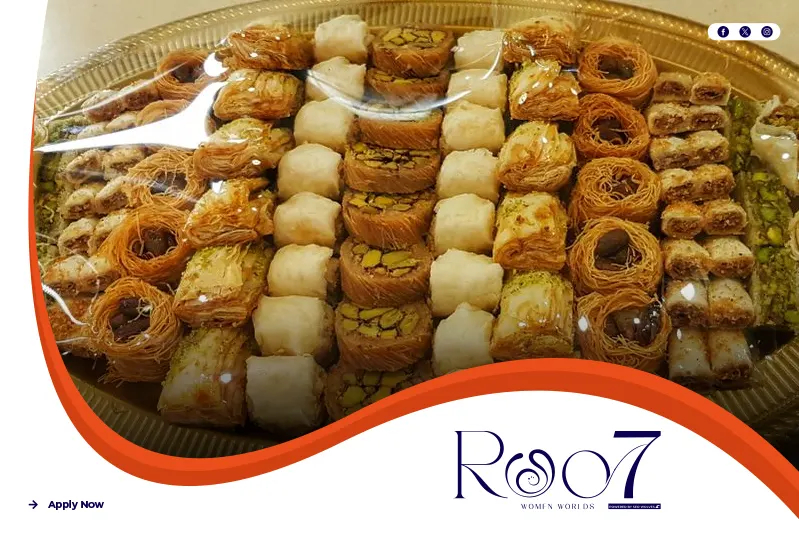
Presentation is key when it comes to sweets, especially Arabic Sweets. Arrange your creations neatly on trays, garnish with crushed pistachios, and drizzle lightly with syrup for a beautiful finish. For gifting, wrap them in decorative boxes lined with parchment paper — a gesture that reflects the thoughtfulness of Arabic hospitality.
When storing, keep syrupy sweets in airtight containers at room temperature, while creamy ones like knefeh should be refrigerated. These simple steps help preserve freshness and flavor so you can enjoy them for days.
Conclusion
Arabic Sweets are more than desserts — they’re edible art forms filled with culture, love, and tradition. By making them in your kitchen, you connect with centuries of culinary craftsmanship and bring sweetness into your own home. From delicate maamoul to syrupy baklava, every bite tells a story of family, celebration, and care.
So gather your ingredients, warm up your oven, and let your kitchen come alive with the scent of honey, nuts, and rosewater. Once you master the art of Arabic Sweets, you’ll find that the real joy lies not just in eating these sweets, but in sharing them — one golden piece at a time