

Section 1: The Mediterranean Kitchen – A Feast of Freshness and Simplicity
The Mediterranean kitchen is one of the most admired in the world — famous for its use of fresh ingredients, olive oil, herbs, and a deep respect for natural flavor. From Spain and Italy to Greece and Turkey, every dish tells a story of sunshine, sea breeze, and family gatherings. Let’s explore some of the region’s most iconic dishes that have made the Mediterranean diet not just healthy, but unforgettable.

1.1 Paella (Spain)
The Spanish kitchen wouldn’t be complete without Paella, the colorful rice dish from Valencia. Traditionally cooked in a wide shallow pan, paella combines saffron-flavored rice with seafood, chicken, and vegetables. Its golden hue and rich aroma symbolize Spanish passion and togetherness. Today, variations like seafood paella and mixed paella are served across the globe, carrying with them the joy of Mediterranean life.

1.2 Pizza Margherita (Italy)
In Italy’s kitchen, Pizza Margherita is a timeless icon. Born in Naples, this simple yet perfect pizza features tomato sauce, mozzarella cheese, and fresh basil — colors that mirror the Italian flag. The Margherita remains the heart of Italian cuisine, showing that great food doesn’t need to be complicated. Each slice delivers balance, beauty, and tradition.

1.3 Moussaka (Greece)
The Greek kitchen gives us Moussaka, a baked dish made with layers of eggplant, minced meat, and creamy béchamel sauce. It’s hearty, flavorful, and filled with Mediterranean warmth. Moussaka is often enjoyed at family gatherings and celebrations, representing Greek generosity and comfort.

1.4 Dolma (Turkey)
From the Turkish kitchen comes Dolma, grape leaves stuffed with rice, herbs, and sometimes minced meat. Each roll is soft, tangy, and perfectly seasoned with olive oil and lemon. Dolma has Ottoman roots and is still shared across the Mediterranean, from Greece to Lebanon — a symbol of culinary unity.

1.5 Ratatouille (France)
Ratatouille from the French kitchen is a vibrant vegetable stew made with eggplant, zucchini, bell peppers, and tomatoes. Slow-cooked in olive oil and seasoned with thyme and rosemary, this humble dish captures the beauty of simplicity. Originally a farmer’s meal, it’s now a global symbol of healthy Mediterranean cooking.

1.6 Falafel (Middle East)
The Middle Eastern kitchen contributes one of the world’s favorite vegetarian dishes — Falafel. Made from ground chickpeas or fava beans mixed with herbs and spices, falafel is deep-fried to crispy perfection. Served in pita bread with tahini and salad, it’s a portable and flavorful meal loved across continents.

1.7 Shawarma (Levant)
No mention of Mediterranean street food is complete without Shawarma. This juicy, marinated meat — cooked on a vertical rotisserie — is shaved into thin slices and wrapped in flatbread. Whether it’s chicken, beef, or lamb, shawarma embodies the smoky, savory soul of the Levantine kitchen.

1.8 Baklava (Eastern Mediterranean)
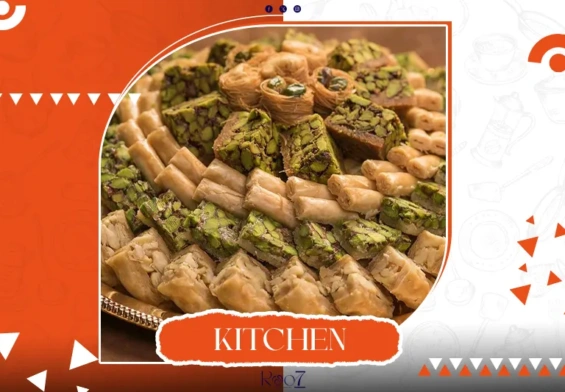
Baklava is the crown jewel of Mediterranean desserts. Layers of crispy phyllo dough filled with nuts and drenched in honey syrup create an indulgent treat. Each country adds its touch — pistachios in Lebanon, walnuts in Greece, and hazelnuts in Turkey — but the spirit of sweetness and celebration remains the same.
Read more about Motherhood and Childhood

The Mediterranean Kitchen’s Legacy
The Mediterranean kitchen thrives on balance: flavor and health, simplicity and richness. Its most famous dishes — Paella, Pizza, Moussaka, Dolma, Ratatouille, Falafel, Shawarma, and Baklava — are more than meals; they’re traditions that connect generations. Every bite speaks of sea, sun, and family — the true essence of Mediterranean life.

Section 2: The Asian Kitchen – Harmony of Spices and Tradition
The Asian kitchen is a treasure chest of flavors, colors, and aromas. Stretching from the bustling streets of India to the serene sushi bars of Japan, it’s a world where every dish carries history, spirituality, and artistry. The kitchen in Asia is not merely a place for cooking — it’s a place where culture lives and generations connect through shared meals.

2.1 Curry (India)
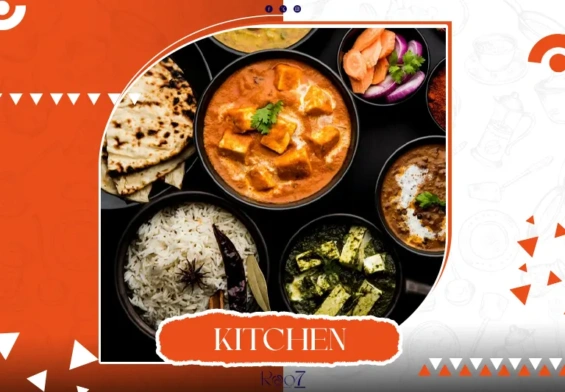
If one dish defines the Indian kitchen, it is Curry. From fiery red to creamy yellow, curries come in endless forms, combining spices like turmeric, cumin, coriander, and cardamom. Whether it’s Butter Chicken from the north, Coconut Curry from the south, or Chana Masala for vegetarians, each bowl tells a story of warmth and family. The balance of spice and comfort makes curry one of the most recognized dishes in the world.

2.2 Biryani (South Asia)
Another jewel of the South Asian kitchen is Biryani — a fragrant rice dish layered with marinated meat, caramelized onions, and saffron. Originating from Persian influence, it became a beloved part of Indian, Pakistani, and Bangladeshi cuisine. Cooked slowly to perfection, biryani unites families and guests in celebration, representing the heart of South Asian hospitality.

2.3 Sushi (Japan)
The Japanese kitchen stands for precision and purity, and Sushi is its finest expression. Vinegared rice, fresh fish, and seaweed come together to form an elegant bite of balance. From Nigiri to Maki, sushi showcases minimalism and mindfulness. Each roll reflects respect for nature and the belief that beauty lies in simplicity — the essence of the Japanese culinary spirit.
2.4 Dim Sum (China)
In the Chinese kitchen, Dim Sum means “touch the heart.” These small, delicate bites — dumplings, buns, and rolls — are served in bamboo baskets and enjoyed with tea. Originating from Canton, dim sum is not just food; it’s an experience of sharing and warmth. Every tiny dish brings family and friends closer together.

2.5 Pad Thai (Thailand)
The Thai kitchen dances with balance — sweet, sour, salty, and spicy all at once. Pad Thai, the national dish, combines rice noodles with shrimp, peanuts, tofu, and lime. It’s colorful, quick, and full of life. Thai cuisine teaches that flavor harmony is as important as visual beauty — a meal should delight all the senses.

2.6 Pho (Vietnam)
From the Vietnamese kitchen comes Pho, a fragrant noodle soup that comforts millions daily. With beef or chicken broth simmered for hours and flavored with ginger, cloves, and star anise, it’s served with fresh herbs and lime. Pho represents home, healing, and heart — a warm embrace in a bowl.

2.7 Kimchi and Bibimbap (Korea)
The Korean kitchen is bold and colorful, led by Kimchi — fermented cabbage with chili and garlic — and Bibimbap, a rice bowl topped with vegetables, beef, and a fried egg. Together, they embody Korea’s balance between spice and nutrition. The Korean table is a mix of strength, health, and tradition.

2.8 Satay (Indonesia & Malaysia)
From Southeast Asia’s kitchen comes Satay, skewered grilled meat served with peanut sauce. The smoky aroma and nutty flavor make it a beloved street food from Indonesia to Malaysia and Singapore. Satay shows how Southeast Asian food thrives on community, simplicity, and shared flavor.

The Asian Kitchen’s Essence
The Asian kitchen celebrates balance — between spice and sweetness, simplicity and depth, old and new. From Curry and Sushi to Pho and Satay, these iconic dishes define a continent that sees cooking not as a task, but as a form of love and mindfulness.

Section 3: The European Kitchen – Classics That Shaped the World
Europe’s kitchen is the birthplace of countless culinary masterpieces that have influenced global gastronomy for centuries. From French sophistication to hearty German meals and comforting British pies, European cuisine reflects elegance, creativity, and deep respect for tradition. The kitchen here is where art meets precision — and where every dish tells a story of time, culture, and craftsmanship.

3.1 Coq au Vin (France)
The French kitchen is synonymous with fine dining, and Coq au Vin stands as a pillar of its heritage. This dish, made by slow-cooking chicken in red wine with mushrooms, onions, and garlic, represents the perfection of French rustic cooking. Its rich flavor and silky sauce embody what French chefs call “la cuisine du cœur” — cooking from the heart.

3.2 Beef Wellington (United Kingdom)
In the British kitchen, Beef Wellington reigns supreme. It consists of a tender beef fillet coated with mushroom duxelles, wrapped in puff pastry, and baked until golden. This dish reflects British sophistication and festive spirit, often served at celebrations. The combination of crisp pastry and juicy meat creates a timeless culinary experience.

3.3 Goulash (Hungary)
The Hungarian kitchen offers Goulash, a hearty stew of beef, paprika, potatoes, and vegetables. Originally a shepherd’s meal, it has become a European comfort classic. The deep red color and smoky aroma of paprika give this dish a unique character that warms both the body and soul.

3.4 Wiener Schnitzel (Austria)
From the Austrian kitchen, Wiener Schnitzel is one of Europe’s simplest yet most beloved dishes. A thin veal cutlet, breaded and fried until golden, served with lemon and potato salad. The crisp exterior and tender inside make it a favorite across the continent. It’s proof that simplicity can be deliciously elegant.

3.5 Spaghetti Carbonara (Italy)
The Italian kitchen shines again with Spaghetti Carbonara — a creamy pasta dish made with eggs, cheese, pancetta, and black pepper. Its origins are humble, yet its taste is luxurious. Italian cooking reminds us that the magic often lies in minimal ingredients prepared with passion.

3.6 Pierogi (Poland)
The Polish kitchen contributes Pierogi, delicate dumplings filled with potatoes, cheese, or meat. They are boiled or fried, then served with butter or onions. This comfort food captures the warmth of Eastern Europe — every bite feels like home.

3.7 Pašticada (Croatia)
From the Croatian kitchen, Pašticada is a slow-cooked beef stew marinated in vinegar, wine, and herbs. Traditionally served with gnocchi, it’s a symbol of love and patience — often prepared for weddings and holidays. Its sweet-and-sour flavor tells the story of centuries of Mediterranean influence.

3.8 Black Forest Cake (Germany)
The German kitchen brings us Schwarzwälder Kirschtorte, or Black Forest Cake — layers of chocolate sponge, whipped cream, and cherries soaked in kirsch. It’s not just dessert; it’s a celebration of balance and indulgence. Each slice is a masterpiece of texture and tradition.

The European Kitchen’s Influence
The European kitchen laid the foundation for modern cooking techniques and restaurant culture. From sauces and pastries to stews and roasts, Europe’s culinary heritage continues to inspire chefs worldwide. These dishes — Coq au Vin, Beef Wellington, Goulash, Schnitzel, Carbonara, Pierogi, Pašticada, and Black Forest Cake — stand as timeless reminders of the artistry born in the European kitchen.

Section 4: The American Kitchen – Innovation and Comfort Combined
The American kitchen is a reflection of diversity, creativity, and comfort. It is not one cuisine, but a mosaic of cultures, shaped by centuries of immigration and regional evolution. From Southern comfort food to New York street eats and California fusion, the American kitchen tells a story of bold flavors, freedom, and constant reinvention.

4.1 Mac and Cheese
No comfort food speaks louder than Macaroni and Cheese. This simple yet irresistible dish combines pasta with creamy cheese sauce baked to perfection. Originating from English roots, it became an American classic — served everywhere from family dinners to gourmet restaurants. In every bite, there’s nostalgia, warmth, and the signature richness of the American kitchen.

4.2 Fried Chicken (Southern United States)
The Southern kitchen has gifted the world Fried Chicken — golden, crispy, and seasoned with love. Coated in spiced flour and fried to a perfect crunch, it’s a symbol of soul food and Southern pride. Every crispy bite connects tradition, community, and the warmth of home.

4.3 Barbecue (BBQ)
Few things define the American kitchen more than Barbecue. From Texas brisket to Carolina pulled pork and Kansas City ribs, barbecue is more than cooking — it’s a ritual. Hours of slow smoking create flavors that are deep, smoky, and unforgettable. BBQ unites friends and families around open flames and outdoor gatherings, embodying the communal heart of American cuisine.

4.4 Burgers
The Burger is perhaps the most famous creation of the American kitchen. Juicy ground beef, fresh vegetables, and melted cheese between two buns — simplicity that conquered the world. Whether served in diners or gourmet restaurants, burgers represent creativity, convenience, and the bold spirit of American dining.

4.5 Clam Chowder (New England)
In the Northeastern kitchen, Clam Chowder stands as a beloved seafood soup made with clams, potatoes, and cream. Its velvety texture and hearty taste capture the essence of coastal America. Each spoonful brings the flavor of the sea and the comfort of a homemade meal.

4.6 Tacos (Mexican-American Influence)
The Taco is a perfect symbol of America’s culinary fusion. Originating from the Mexican kitchen, tacos evolved into endless variations in the United States — from Tex-Mex beef tacos to California fish tacos. They embody the multicultural spirit of the American table, where tradition meets innovation.

4.7 Pancakes and Maple Syrup
From the breakfast kitchen comes a true comfort classic — Pancakes. Soft, fluffy, and dripping with maple syrup, pancakes are the heart of American mornings. Whether stacked high or filled with blueberries, they bring sweetness and simplicity to the start of the day.

4.8 Apple Pie
“As American as Apple Pie” — this saying captures the kitchen’s most iconic dessert. With its flaky crust and cinnamon-spiced apple filling, apple pie represents home, nostalgia, and the sweetness of life. It’s served on holidays, family gatherings, and celebrations, reminding everyone that comfort can be as simple as a slice of pie.

The Spirit of the American Kitchen
The American kitchen thrives on reinvention. It takes inspiration from every corner of the world — Europe, Africa, Asia, and Latin America — and transforms it into something new. Whether it’s Fried Chicken, Burgers, Tacos, or Apple Pie, the American kitchen proves that food Section 5: The African Kitchen – Roots, Rhythm, and Richness
The African kitchen is the heartbeat of the continent — bold, soulful, and deeply rooted in history. It’s a world of fire, spice, and rhythm, where recipes are passed down through generations not in books, but in stories and songs. Across the vast lands of Africa, every region brings its own treasures: from Morocco’s tagines to Nigeria’s jollof rice and South Africa’s braai. The kitchen here is more than a room — it’s the center of community life.

5.1 Jollof Rice (West Africa)
Few dishes are as iconic as Jollof Rice. Found in almost every West African kitchen, it’s a vibrant combination of rice, tomatoes, peppers, and spices cooked in one pot. Each country adds its twist — Ghana’s version is smoky, Nigeria’s is spicy — but all share the same essence: unity, celebration, and joy. Jollof isn’t just food; it’s a cultural symbol.

5.2 Tagine (Morocco)
From North Africa’s kitchen, Tagine is both the name of the dish and the clay pot it’s cooked in. Slow-cooked with meat, vegetables, and dried fruits, it blends sweet and savory in perfect harmony. The aroma of saffron, cinnamon, and preserved lemon defines Moroccan cuisine. Every tagine tells a story of desert markets, family gatherings, and timeless tradition.

5.3 Injera and Doro Wat (Ethiopia)
In the Ethiopian kitchen, food is about sharing. Injera, a soft sourdough flatbread, serves as both plate and utensil. It’s paired with Doro Wat — a spicy chicken stew with boiled eggs — forming a meal that embodies warmth and hospitality. Ethiopian cuisine celebrates togetherness, where hands, hearts, and flavors connect.

5.4 Bobotie (South Africa)
The South African kitchen is a fusion of indigenous, Dutch, and Malaysian influences. Bobotie — a baked dish made of minced meat, curry spices, and egg custard topping — is a national favorite. Its rich and comforting flavor shows the multicultural soul of South African cooking.

5.5 Bunny Chow (South Africa)
Another South African innovation, Bunny Chow, turns a loaf of bread into a vessel for spicy curry. Invented in Durban, it’s the ultimate street food — convenient, flavorful, and fun. The kitchen of South Africa proves that necessity and creativity can create culinary legends.

5.6 Suya (Nigeria)
A highlight of the Nigerian kitchen, Suya is spicy grilled meat on skewers, coated in ground peanut spice mix. Sold by street vendors across West Africa, Suya captures the essence of African street food: fiery, bold, and made to share.

5.7 Couscous (North Africa)
Couscous is a staple of North African kitchens, made from steamed semolina grains. Served with lamb, vegetables, and rich broth, it represents the warmth of family gatherings. Light yet hearty, couscous stands as one of the world’s oldest and most versatile dishes.

5.8 Plantain Dishes (Across Africa)
In many African kitchens, plantains are a daily delight. Fried, boiled, or roasted, they accompany almost every meal. Dishes like Kelewele from Ghana — spiced fried plantains — show how simple ingredients can produce deep, satisfying flavor.

Conclusion: A World United by Kitchens and Flavors
From the shores of the Mediterranean to the savannas of Africa, the kitchen has always been humanity’s most universal language. Every region — Europe, Asia, the Americas, and Africa — brings something unique to the table, yet all share the same heartbeat: the love of food, family, and connection.
The Mediterranean kitchen taught the world freshness and balance through Paella, Pizza, and Baklava.
The Asian kitchen offered mindfulness and complexity with Curry, Sushi, and Pho.
The European kitchen perfected the art of sauces and baking with Coq au Vin, Schnitzel, and Carbonara.
The American kitchen blended innovation with comfort through Fried Chicken, Burgers, and Apple Pie.
And the African kitchen preserved heritage and soul with Jollof Rice, Tagine, and Suya.

When we step into any kitchen, we step into history.
We taste migration, memory, and imagination — generations speaking to one another through spices and flavor.
The sizzling pan in one country, the steaming pot in another — they all whisper the same truth: food connects us.
Cooking is more than preparing a meal. It’s storytelling without words.
It’s how a Moroccan grandmother shares her wisdom through the perfect balance of spice,
how a Thai street vendor expresses joy in every plate of noodles,
how a Southern cook in America passes down love with every piece of fried chicken.

Around the world, kitchens are where humanity comes together — to celebrate, to heal, to remember.
They remind us that while borders divide nations, flavor unites us.
Every kitchen, no matter how big or small, holds the same power:
to turn simple ingredients into something extraordinary.
So, the next time you cook — whether you’re stirring a curry, flipping pancakes, or baking bread — remember that you’re part of a story far bigger than your own.
You’re continuing a global tradition that has existed since the first flame was lit.
The world’s kitchens may differ in tools, tastes, and techniques —
but their purpose is one:
to bring people closer through the simple joy of food.
Flavors of the World are not just about eating;
they’re about understanding.
Because in every kitchen, across every culture, the most essential ingredient is always the same — love.
is more than sustenance — it’s identity, creativity, and community served on a plate.