
The Quest for Meaning
In every corner of the world, people search for meaning — a reason to live, to endure, and to hope. Throughout human history, Religion and spirituality have been two of the most powerful forces guiding that search. Whether through the sacred rituals of ancient civilizations or the quiet meditation of a modern individual sitting alone in reflection, the desire to connect with something greater than oneself remains universal. It transcends culture, time, and even personal belief systems.
Religion and spirituality serve as pathways to understanding existence. Religion often provides structure — a shared set of beliefs, traditions, and moral codes that shape how people relate to one another and to the divine. Spirituality, on the other hand, is deeply personal; it is the inner journey toward self-awareness, peace, and transcendence. Together, they form a dual lens through which humanity contemplates the mysteries of life and death, purpose and destiny.
In today’s fast-paced, technology-driven world, many people feel a growing sense of emptiness. Despite material progress and scientific breakthroughs, there remains a hunger for meaning. It is here that Religion and spirituality regain their timeless relevance. They remind us that fulfillment does not come solely from success or possessions, but from a deeper connection — with others, with nature, and with the divine essence within ourselves.
Moreover, Religion and spirituality influence how we cope with challenges, how we define morality, and how we find resilience during suffering. For some, faith in God gives courage; for others, meditation opens the heart to peace. Even those who do not follow a specific faith may find spiritual grounding in art, nature, or acts of kindness. Ultimately, the human spirit seeks alignment with a higher order, a sense that life has purpose beyond mere survival.
This exploration of Religion and spirituality is, therefore, not limited to theology or philosophy; it is a deeply human journey. It asks us to pause, to look inward, and to rediscover what truly gives life meaning. As we navigate the noise and uncertainty of the modern world, these timeless dimensions of human experience continue to offer guidance, balance, and hope — the quiet reminder that our lives are not accidents, but stories unfolding within a larger, sacred design.

Defining Religion and Spirituality
Before exploring how Religion and spirituality give life meaning, it is essential to understand what each truly represents. Though often used together, they are not identical. Religion and spirituality share common ground in their search for connection with the sacred, yet they differ in form, focus, and experience.
Religion, at its core, is an organized system of beliefs and practices centered around a higher power, divine being, or transcendent truth. It provides a structure — rituals, doctrines, and communities — that help individuals express their faith and live by shared moral values. From Christianity and Islam to Hinduism and Buddhism, religion offers a framework for understanding the universe, human purpose, and the relationship between humanity and the divine. Through ceremonies, scriptures, and traditions, religion shapes not only belief but also culture, ethics, and identity.
Spirituality, on the other hand, is less about institutions and more about personal experience. It is the individual’s inner journey toward self-discovery, connection, and peace. Spirituality may exist within a religious context, but it can also flourish outside formal religion. A person may find spiritual fulfillment through meditation, nature, art, music, or acts of compassion. In this sense, spirituality focuses less on dogma and more on direct experience — a felt sense of unity with something greater than oneself.
While some people distinguish Religion and spirituality as opposites — one rigid and institutional, the other free and personal — this view is too simplistic. In truth, they can complement one another beautifully. Religion provides community, guidance, and shared meaning, while spirituality keeps the experience personal, heartfelt, and alive. Without spirituality, religion can become mechanical; without religion, spirituality can become directionless. Together, they form a holistic path that unites the outer and inner worlds — faith and feeling, doctrine and devotion.
Moreover, the meanings of Religion and spirituality continue to evolve. In modern society, many people describe themselves as “spiritual but not religious,” reflecting a desire for authenticity without institutional constraint. Others rediscover the beauty of religious practice through a renewed sense of spirituality that transforms rituals into living symbols. This dynamic relationship between religion and spirituality shows that faith is not static; it grows as human understanding deepens.
Ultimately, defining Religion and spirituality is not about drawing lines but about recognizing the diverse ways people connect with the sacred. Whether through prayer in a mosque, meditation in solitude, or simple acts of kindness, both religion and spirituality represent humanity’s timeless yearning to touch the infinite and find meaning in existence.

Historical Roots and Evolution of Faith
To understand how Religion and spirituality shape modern life, we must look back to their origins — to the dawn of human consciousness. From the moment humans began to question the world around them, to wonder about the stars, birth, death, and destiny, Religion and spirituality emerged as responses to the mysteries of existence. Long before the rise of formal institutions, early humans expressed reverence through symbols, rituals, and offerings, attempting to connect with unseen powers that governed life and nature.
Archaeological evidence reveals that prehistoric communities practiced early forms of Religion and spirituality — burying their dead with care, painting sacred symbols on cave walls, and performing dances and ceremonies to honor the forces of nature. These acts reflected not only fear or superstition but also awe, gratitude, and a deep sense of belonging to the cosmos. Faith was born from wonder; spirituality from the inner yearning to understand one’s place in the vast universe.
Read more about Fashion and Style
As civilizations advanced, religion became more organized. Temples, priesthoods, and sacred texts emerged, giving structure to what had once been spontaneous spiritual expression. The ancient Egyptians, Mesopotamians, Indians, Chinese, and Greeks each developed rich traditions that blended Religion and spirituality into their daily lives. Religion unified societies through shared myths and moral codes, while spirituality inspired art, philosophy, and the pursuit of transcendence.
The great world religions — Judaism, Christianity, Islam, Hinduism, and Buddhism — refined these ancient roots, each offering a distinct vision of humanity’s relationship with the divine. They introduced ethical laws, sacred scriptures, and spiritual practices that continue to guide billions today. Yet even within these structured systems, the personal dimension of spirituality remained vital: the mystic’s yearning for union with God, the monk’s meditation, the poet’s divine love — all expressions of Religion and spirituality as living experiences rather than mere institutions.
Over time, humanity’s understanding of faith evolved alongside its intellectual and cultural growth. The Enlightenment challenged dogma, giving rise to individualism and reason. Many began to question institutional religion while seeking new forms of spirituality rooted in personal experience and universal truth. This period marked a turning point: Religion and spirituality were no longer confined to temples and churches; they entered philosophy, psychology, and even science. Thinkers like William James, Carl Jung, and Albert Einstein spoke of the spiritual dimension of human existence as an integral part of knowledge and creativity.
In the 21st century, Religion and spirituality continue to evolve. Globalization and technology have created a “spiritual marketplace” where ancient wisdom meets modern science. People blend meditation with prayer, mindfulness with scripture, and psychology with mysticism. While some lament the decline of traditional religion, others see this era as a rebirth — a chance to rediscover the essence of faith beyond dogma, where spirituality and religion coexist not as rivals, but as complementary expressions of humanity’s eternal search for meaning.
Psychological and Emotional Dimensions
The human mind is not merely rational; it is deeply emotional and spiritual. This truth lies at the heart of why Religion and spirituality play such vital roles in shaping our inner world. Beyond beliefs and rituals, faith touches the deepest layers of emotion — hope, fear, love, guilt, awe, and gratitude — and transforms them into meaning. Psychology, once focused mainly on cognition and behavior, now increasingly recognizes the importance of spirituality as a source of mental well-being and emotional resilience.
Religion and spirituality offer comfort and stability in times of uncertainty. When people face loss, illness, or despair, they often turn to prayer, meditation, or sacred texts. These practices activate powerful psychological mechanisms: they reduce anxiety, promote acceptance, and foster a sense of control in uncontrollable circumstances. Faith, in its many forms, gives suffering a purpose — transforming pain into a path of growth. A person who believes that their struggle has meaning is more likely to endure hardship with courage and hope.
Studies in positive psychology have shown that Religion and spirituality are closely linked to happiness, optimism, and life satisfaction. People who maintain regular spiritual practices — whether through religious worship or personal meditation — tend to experience lower levels of stress and depression. This connection is not purely mystical; it has biological and psychological foundations. Prayer and mindfulness stimulate regions of the brain associated with compassion and empathy, releasing hormones that enhance emotional balance and inner peace.
Beyond emotional healing, Religion and spirituality also contribute to identity formation and self-understanding. Through faith, individuals answer fundamental questions: Who am I? Why am I here? What is my purpose? Religion provides a shared narrative that situates a person within a community and a cosmic order, while spirituality helps integrate personal experiences into a larger sense of meaning. This harmony between collective and individual identity nurtures psychological health and self-worth.
Moreover, Religion and spirituality play a role in moral development. They awaken conscience — the inner voice that guides choices and behavior. Feelings of compassion, remorse, forgiveness, and gratitude all have spiritual dimensions that connect emotional intelligence with ethical awareness. By cultivating empathy and humility, spirituality bridges the gap between emotion and morality, teaching us that to be fully human is to feel deeply and act with love.
Yet, it is important to acknowledge that Religion and spirituality can also be misused, leading to guilt, fear, or exclusion when interpreted rigidly. Healthy spirituality encourages openness and acceptance rather than judgment. In its purest form, faith does not suppress emotion; it refines it. It transforms anger into purpose, fear into trust, and sorrow into compassion. The psychology of the spirit, therefore, is not about escaping emotion but about elevating it — making the human heart a mirror of divine balance.

Religion and Spirituality in Everyday Life
While grand temples, sacred texts, and rituals often capture our attention, the true power of Religion and spirituality is revealed not in extraordinary moments, but in the simplicity of daily life. Faith, when genuine, is not limited to worship; it flows through how we think, act, and treat others. It influences the way we wake up in the morning, how we face challenges, and how we find peace before sleep. In essence, Religion and spirituality are not separate compartments of life — they are threads woven into its fabric.
In family life, for instance, Religion and spirituality shape values such as compassion, patience, forgiveness, and respect. Parents who practice faith often teach their children not only to pray, but also to love, to share, and to see goodness in others. A family meal shared with gratitude, a kind word to a stranger, or an act of charity — all these simple gestures embody spiritual living. Religion gives these acts a sacred context, while spirituality infuses them with sincerity and love.
In the workplace, Religion and spirituality can inspire integrity and purpose. A person guided by spiritual principles strives to be honest, fair, and compassionate, even under pressure. Spiritual awareness helps individuals find meaning in their work, transforming routine tasks into opportunities for service and creativity. Many leaders have discovered that integrating spirituality into their professional lives leads to more ethical decisions and stronger connections with their teams.
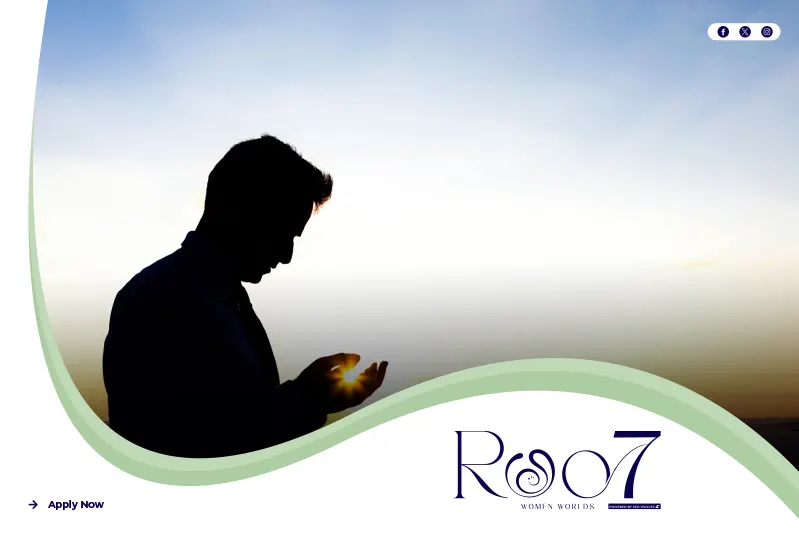
In society, Religion and spirituality promote unity and empathy. They remind people that beyond cultural, racial, and political divisions, we share a common humanity. Festivals, communal prayers, and acts of service bring people together in ways that transcend material interests. Even in secular environments, spiritual values like kindness, gratitude, and mindfulness are increasingly seen as essential for emotional and social well-being. Thus, the line between the sacred and the ordinary becomes blurred — every moment, if lived with awareness, can become an act of devotion.
Moreover, Religion and spirituality guide how we respond to suffering and injustice. Faith encourages perseverance and hope, while spirituality nurtures compassion and action. Together, they inspire people to support the poor, to forgive enemies, and to stand for truth. History is filled with examples — from prophets and saints to ordinary individuals — who translated their inner faith into outer service, transforming societies through love and courage.
Ultimately, living with Religion and spirituality means seeing life as a sacred journey, where every encounter, joy, and challenge holds spiritual significance. It is not about escaping the world but sanctifying it — finding God in daily work, in laughter, in tears, and even in silence. When faith becomes a way of life rather than a separate duty, the ordinary becomes divine, and the human heart becomes a temple where the sacred quietly dwells.
The Role of Community and Belonging
One of the most profound aspects of Religion and spirituality is the sense of community they foster. Human beings are social creatures; we long to belong, to be understood, and to share our experiences with others. Through temples, mosques, churches, meditation circles, and gatherings of all kinds, Religion and spirituality create spaces where individuals feel part of something greater than themselves.
Religious communities provide not only spiritual nourishment but also emotional and social support. Shared rituals, prayers, and festivals strengthen bonds of trust and mutual care. When people gather to worship, they affirm both their faith and their connection to one another. This belonging reduces loneliness, gives life structure, and reinforces moral values.
Read more about Religion and spirituality
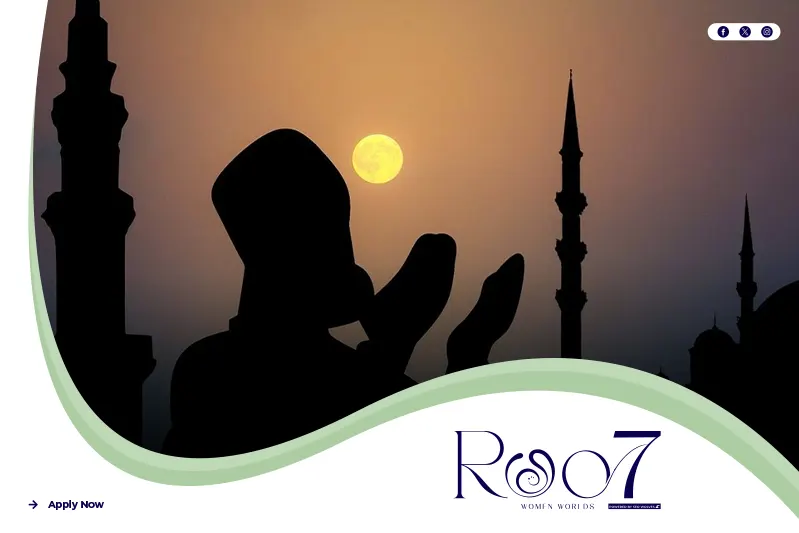
At the same time, spirituality extends the idea of community beyond organized religion. It embraces a universal connection — with humanity, nature, and the cosmos. A spiritually aware person may feel deep kinship not only with fellow believers but with all living beings. This sense of oneness inspires compassion and global responsibility.
However, when misunderstood, Religion and spirituality can also lead to exclusion or division. Sectarianism, prejudice, and extremism arise when faith becomes a badge of superiority rather than a bridge of understanding. True spirituality, by contrast, opens the heart to diversity. It teaches that every path, if pursued with sincerity, can lead to truth. Thus, the healthiest expression of faith combines belonging with openness — rooted in one’s tradition yet embracing the whole of humanity.
Moral and Ethical Guidance
Throughout history, Religion and spirituality have been humanity’s compass for moral and ethical behavior. They define right and wrong, justice and mercy, love and duty. While laws govern external actions, religion and spirituality speak to the conscience — that quiet voice within that urges us to do good even when no one is watching.
Religious traditions provide moral codes such as the Ten Commandments, the teachings of the Prophet Muhammad (peace be upon him), the Dharma of Hinduism, and the Noble Eightfold Path in Buddhism. These guidelines shape civilizations and influence systems of law, governance, and education. But beyond external rules, Religion and spirituality cultivate inner virtues: honesty, humility, compassion, and integrity.
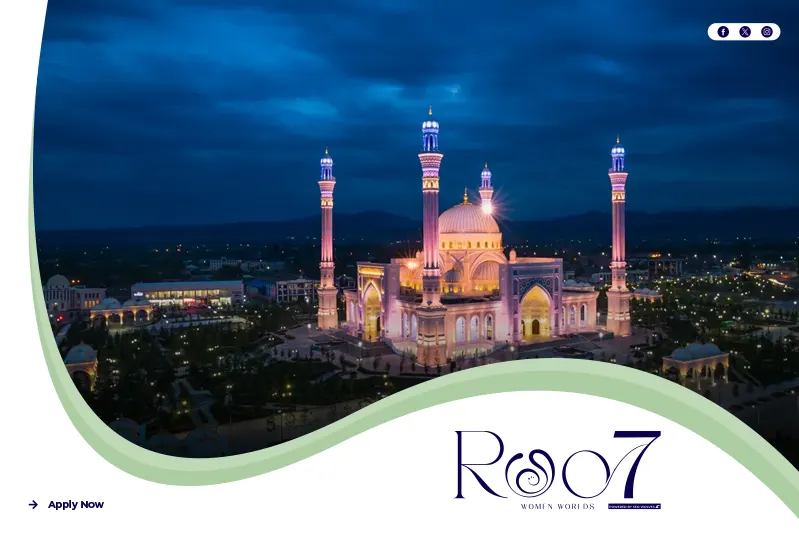
Spirituality deepens morality by connecting it to awareness and empathy. When one sees the divine in every being, ethical behavior arises naturally. Compassion ceases to be a duty and becomes a way of life. Thus, Religion and spirituality together form the foundation of ethical consciousness — religion offering principles, spirituality giving them life.

Crisis, Suffering, and the Search for Hope
No life is free from pain. Yet it is in suffering that Religion and spirituality reveal their deepest power. When the world seems dark and reason fails to explain tragedy, faith offers light — not by removing pain, but by transforming it. Through religion, people find narratives that give meaning to loss; through spirituality, they find strength to endure it.
In moments of despair, Religion and spirituality become lifelines. Prayer, meditation, and community support can lift individuals from the depths of hopelessness. Faith teaches that suffering is not punishment but a teacher — a catalyst for compassion, patience, and gratitude. Many of the world’s spiritual leaders — from Buddha to Jesus to the Prophet Muhammad ﷺ — endured hardship and turned it into wisdom. Their lives demonstrate that spiritual strength is not the absence of suffering but the ability to find grace within it.
Modern psychology now echoes what ancient wisdom has long taught: that Religion and spirituality foster resilience. People who interpret their suffering through a spiritual lens recover faster and grow stronger. They view pain as part of a larger story — one guided by divine purpose. Thus, even in the darkest night, faith whispers of dawn.
Religion, Spirituality, and Science
For centuries, the relationship between Religion and spirituality and science has been complex — sometimes cooperative, sometimes confrontational. Science seeks to explain the mechanisms of the universe, while religion and spirituality seek to uncover its meaning. Yet, both share a common root: the human desire to understand reality.
Science gives us knowledge of the external world — of atoms, galaxies, and genes — while Religion and spirituality open doors to the inner universe: consciousness, purpose, and moral truth. The greatest scientists, from Newton to Einstein, often expressed awe at the mysterious order of existence. Einstein once said, “Science without religion is lame, religion without science is blind.” This balance reflects a deep truth: reason and faith, logic and wonder, are not enemies but partners in the human quest for understanding.
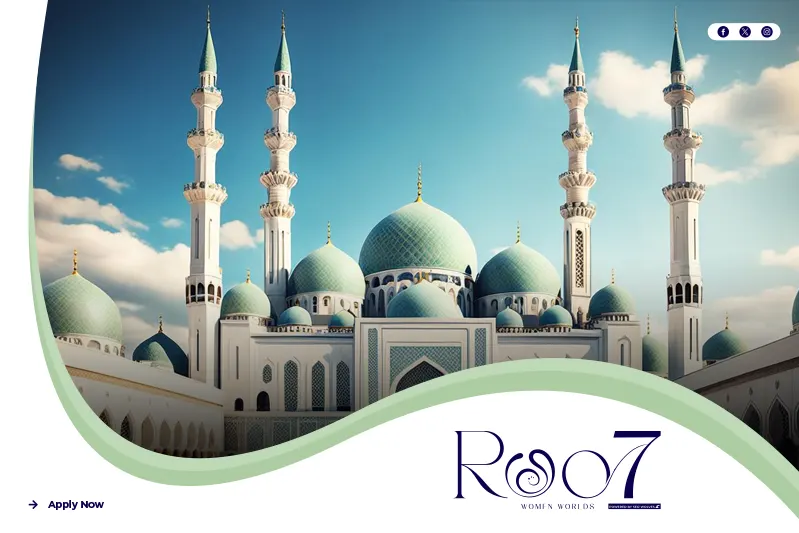
Today, many thinkers and scholars view Religion and spirituality as complementary to scientific discovery. Neuroscience studies the effects of meditation on the brain; psychology explores how faith influences mental health; cosmology inspires spiritual reflection on creation. As humanity advances technologically, the need for moral and spiritual grounding becomes ever more urgent. Without it, knowledge risks becoming power without wisdom.
Ultimately, Religion and spirituality remind science of its ethical dimension, while science reminds faith of the beauty of questioning and discovery. When both cooperate, humanity moves closer to a holistic understanding of existence — one that honors both the seen and the unseen.
Personal Transformation and Inner Peace
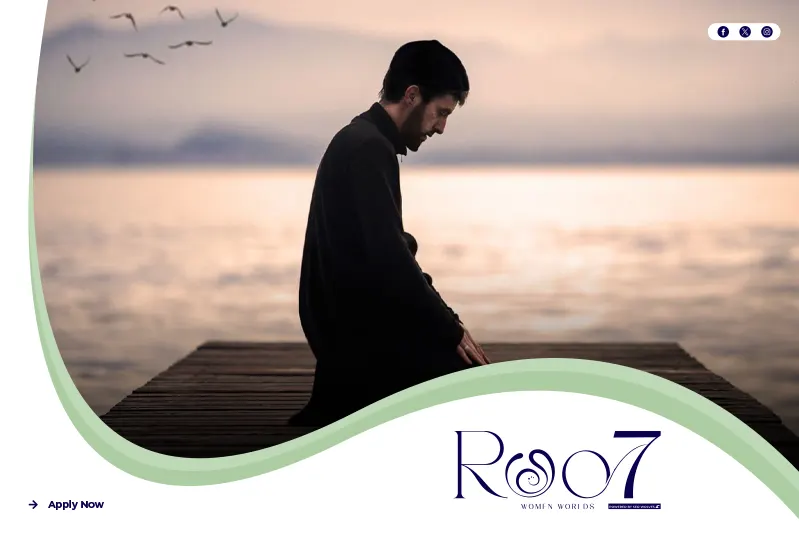
At its heart, Religion and spirituality are about transformation — the evolution of the human soul from ignorance to awareness, from fear to love, from separation to unity. This transformation begins within. It is a quiet revolution that replaces anxiety with trust, anger with forgiveness, and confusion with clarity.
Through prayer, meditation, reflection, and service, individuals discover their higher selves. Religion and spirituality teach that peace is not the absence of problems but the presence of understanding. The journey inward reveals that divine truth is not somewhere “out there,” but within one’s own heart. The mystics of every tradition — Sufis, monks, yogis, saints — all speak of this inner awakening.
As people grow spiritually, their outer lives also change. Relationships become kinder, goals more meaningful, and daily actions more mindful. The transformation that begins with the individual ripples outward, healing families, communities, and even nations. Thus, inner peace is not a private luxury but a global necessity.

Conclusion: The Harmony of Faith and Spirit
In the end, the journey of Religion and spirituality is the journey of being human. It is the lifelong search for truth, love, and connection — with ourselves, with others, and with the divine. In an age of chaos and distraction, these timeless forces call us back to stillness, reminding us of who we truly are.
Religion gives structure, community, and moral direction; spirituality brings depth, freedom, and personal transformation. When they unite, life becomes sacred. Every breath, every act, every moment becomes a prayer.

The true essence of Religion and spirituality lies not in dogma, but in compassion; not in fear, but in love. To live spiritually is to live fully — aware, humble, and kind. It is to walk through the world with eyes open to beauty and heart open to all beings. And perhaps that is the ultimate purpose of existence: to realize that the divine we seek has been within us all along.