

introduction
The Arab cinema landscape has undergone a dramatic renaissance over the last decade, with Arabic Films increasingly achieving critical acclaim and commercial success on the global stage. Fueled by bold new voices and a focus on urgent social themes, these films represent a powerful, maturing force within global TV series and movies. This crucial shift has moved the focus away from internal regional politics and toward universal human narratives about identity, survival, and justice. The global success has created a new generation of star directors and actors who now dominate the Celebrities and Entertainment scene both regionally and internationally. This article identifies the key films and thematic trends that define the best Arabic Films of the decade (roughly 2015–2025), emphasizing their profound impact on global film culture.
The New Oscar Class: Films Addressing Women’s Rights and Social Crises
A significant trend defining the most acclaimed Arabic Films of the past decade is the laser-focus on women’s struggles, the rigidities of patriarchal legal systems, and the lasting impact of conflict. These narratives have resonated profoundly across cultures, earning major awards and nominations at the highest levels of global cinema:

Capernaum (Lebanon, 2018): Directed by the internationally celebrated Lebanese filmmaker Nadine Labaki, this film is arguably the most commercially successful Arab film of the decade, grossing over $68 million worldwide. The film, which follows a resourceful 12-year-old street boy in Beirut who sues his parents for bringing him into the world, won the Jury Prize at Cannes and was nominated for an Oscar. It stands as a prime example of how powerful Arabic Films can shed light on migrant and refugee issues through deeply personal, humanitarian narratives.
The Insult (Lebanon, 2017): This gripping drama was Lebanon’s first-ever Oscar nominee for Best Foreign Language Film. It masterfully uses a simple verbal clash between a Lebanese Christian and a Palestinian refugee to escalate into a national legal battle, exploring historical wounds and the complexities of civil conflict. It successfully showcases the power of Arabic Films as compelling social allegory.

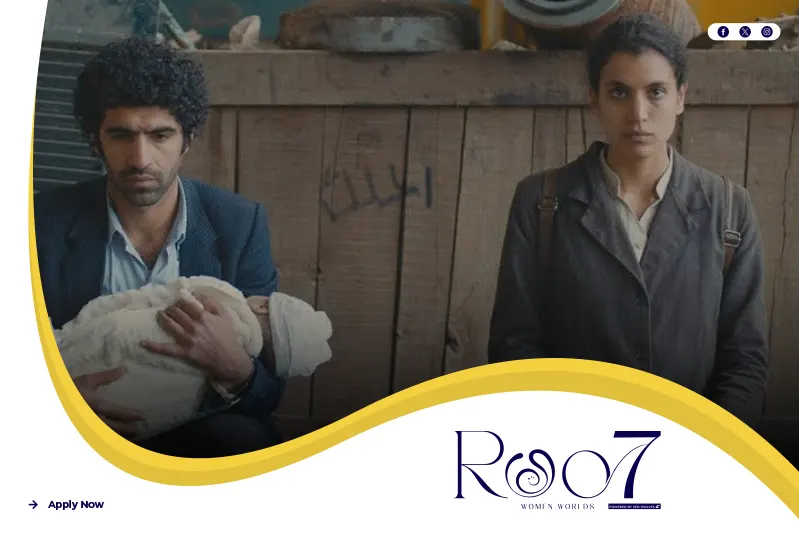
Inshallah a Boy (Jordan, 2023): Winning multiple awards at Cannes and the Critics Awards for Arab Films, this groundbreaking Jordanian drama fearlessly examines Jordan’s inheritance laws, portraying a widow’s desperate struggle to retain guardianship over her daughter’s future. Its success highlights the willingness of modern Arabic Films to confront systemic patriarchy head-on, proving that challenging stories can find international audiences.
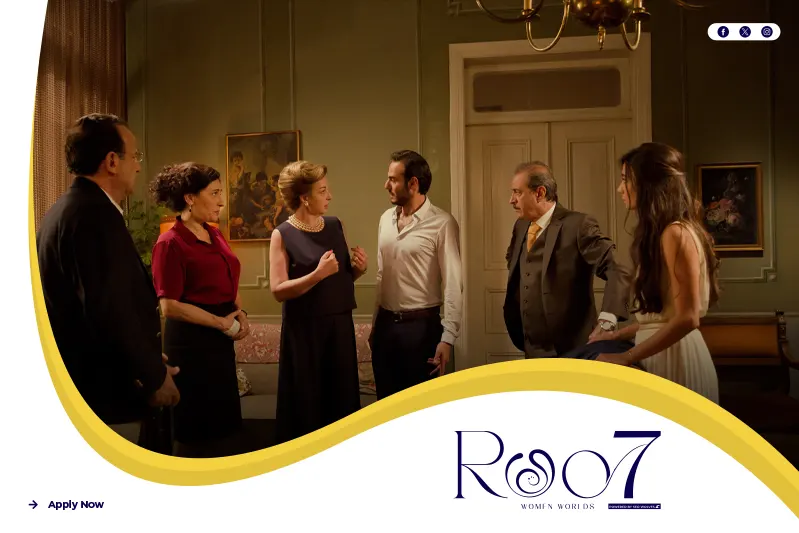
Four Daughters (Tunisia, 2023): This profound hybrid documentary, nominated for an Oscar, delves into the lives of a Tunisian mother whose two eldest daughters join an extremist organization. Director Kaouther Ben Hania uses a potent blend of documentary interviews and fictional reenactment to examine trauma, radicalization, and memory, a powerful testament to the thematic bravery currently present within Arabic Films.
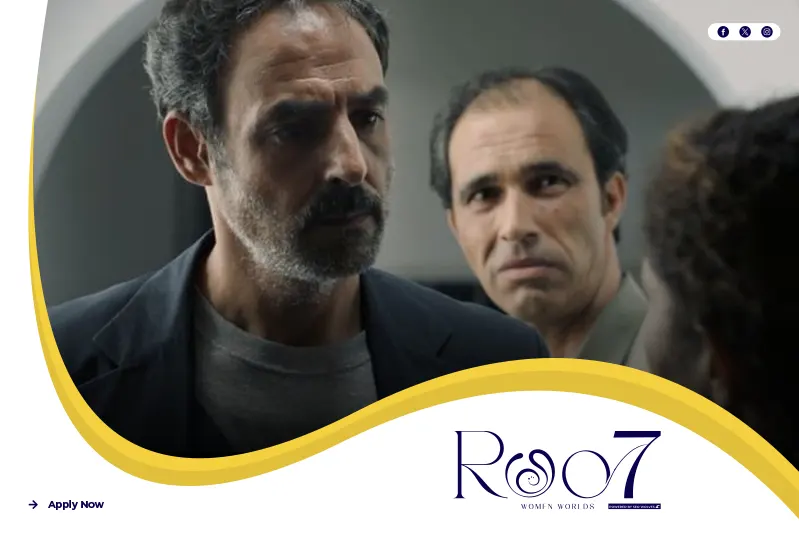
Critical Acclaim and Genre Expansion in Arabic Films
Beyond necessary social realism, a diverse range of Arabic Films have broken new ground in genre and artistic style, ensuring that the best of the decade includes both commercial hits and critical darlings:
The Blue Caftan (Morocco, 2022): This gorgeous Moroccan film earned widespread international recognition, including an Oscar shortlist placement, for its tender and deeply nuanced portrayal of same-sex love, tradition, and artistry within the confined space of a traditional tailor’s shop. It demonstrates the subtle but significant shifts in thematic storytelling within Arabic Films regarding LGBTQ+ themes and emotional vulnerability.
Feathers (Egypt, 2021): The winner of the prestigious Cannes Critics’ Week Grand Prize, this distinct Egyptian black comedy utilizes surrealism to portray a domestic crisis after a magic trick goes horribly wrong. It was lauded for its truly unique visual style and its ability to critique entrenched societal norms and gender roles with dark humor, marking a decisive stylistic departure for Arabic Films that typically favor strict melodrama or realism.
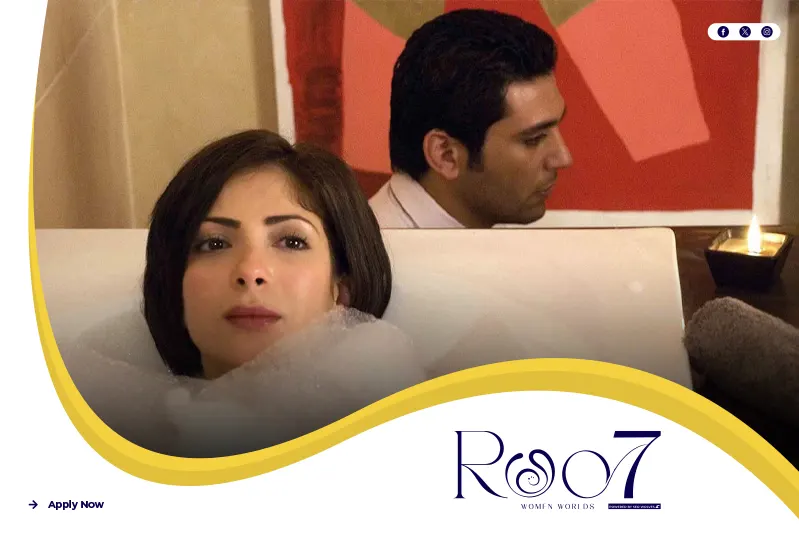
Goodbye Julia (Sudan, 2023): A major award winner across the Arab world, this film is particularly notable for being Sudan’s first-ever submission to the Oscars. The drama, set against the backdrop of South Sudan’s secession, explores complex themes of guilt, power, and forgiveness between a northern Sudanese woman and a southern Sudanese woman, marking a significant entry from a previously underrepresented country into the Celebrities and Entertainment landscape of Arab cinema. The sheer variety of narratives now emerging proves the dynamic growth within TV series and movies.
The Influence on Celebrities and Entertainment
The last decade of highly successful Arabic Films has fundamentally altered the regional Celebrities and Entertainment ecosystem, expanding the influence of Arab talent worldwide.
Read more about Egyptian Films
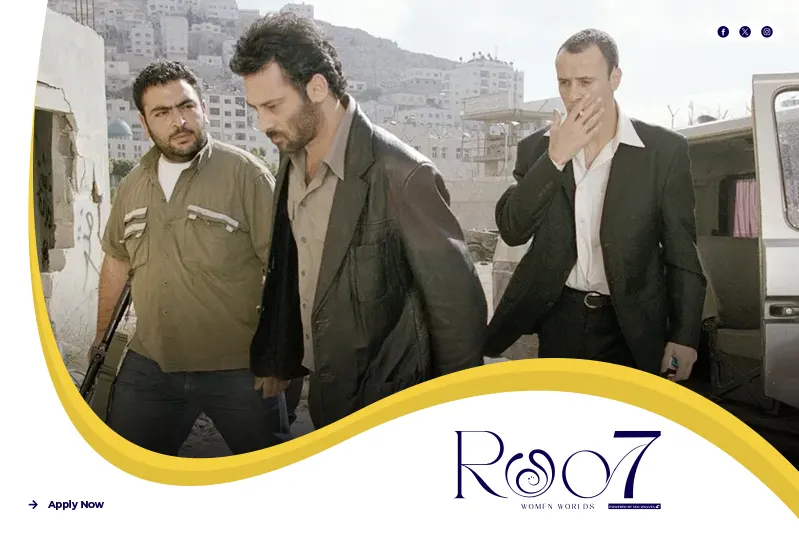
Global Star Power: Directors like Nadine Labaki (Lebanon) and actors like Saleh Bakri (Palestine, star of The Teacher and The Blue Caftan) and Hend Sabry (Tunisia/Egypt, star of Four Daughters) are now truly global World celebrities whose presence guarantees immediate international interest in their TV series and movies projects. Their ability to command attention at major world festivals translates directly into prestige and investment for future Arabic Films.
Funding & Platforms: The consistent critical success has stimulated new regional funding bodies, established and empowered film festivals (like the Red Sea International Film Festival in Saudi Arabia), and intensified the acquisition interest from international streamers (like Netflix). These platforms now actively co-produce and distribute Arabic Films, recognizing their untapped commercial and artistic value. This financial influx fuels the production of more high-quality TV series and movies across the region.
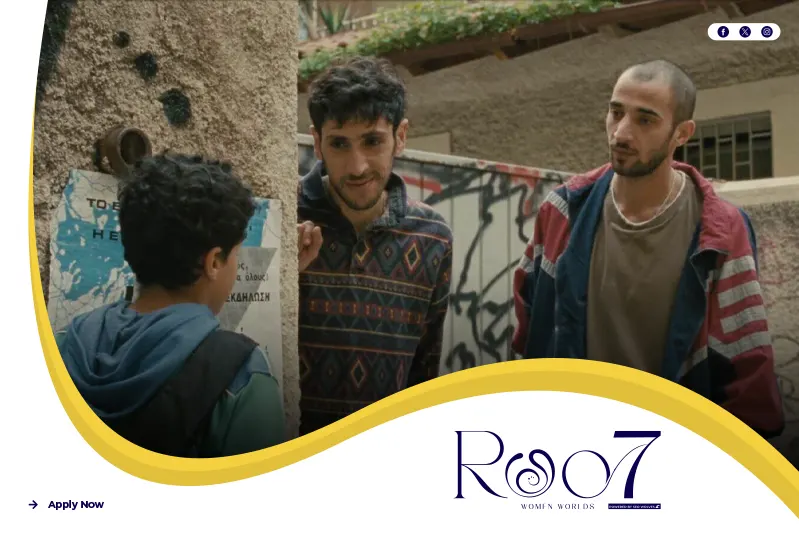
New Voices: The success stories, particularly from female directors and writers (like Maryam Touzani and Haifaa al-Mansour), have inspired a new generation across the Arab world to use the visual medium to tell their own, often difficult, and deeply personal stories. This democratic and diverse growth is the most lasting legacy of the last decade in Arab Celebrities and Entertainment, ensuring a continuous pipeline of unique and powerful Arabic Films.
Conclusion
The best Arabic Films of the past decade represent a pivotal moment for the region’s cinematic output. These films demonstrate that stories rooted in specific Arab contexts—be it a political conflict in Palestine or a fight for property rights in Jordan—can achieve universal resonance when told with honesty and artistic mastery. By confronting social taboos and showcasing diverse narratives, Arabic Films have secured their place at the global creative table. This ongoing commitment to artistic integrity and powerful storytelling ensures that the Arab world remains a vital, unmissable contributor to the entire TV series and movies industry and the broader sphere of Celebrities and Entertainment for decades to come.