
introduction
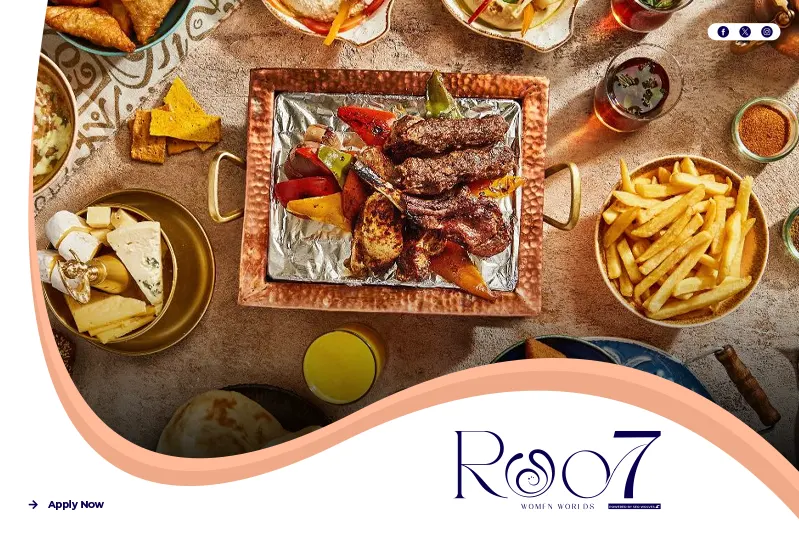
The Middle East is known for its rich history, warm hospitality, and, above all, its unforgettable cuisine. Traditional Arabic food is a celebration of flavor, culture, and heritage — a blend of spices, aromas, and techniques passed down through generations. Today, as Restaurants and Cafes around the world embrace Middle Eastern flavors, more people are discovering the irresistible charm of dishes that define Arab culture. Whether you’re a culinary enthusiast or someone looking to explore a new Lifestyle, these traditional recipes are a must-try for every food lover.
The Essence of Arabic Cuisine
At the heart of Arabic food lies a philosophy built around community, generosity, and connection. Meals are not just about eating; they are about sharing. From large family gatherings to festive feasts, food plays a central role in social life. Common ingredients like olive oil, chickpeas, lamb, rice, and aromatic spices such as cumin and cinnamon define the region’s culinary identity.
Across Restaurants and Cafes in major cities, Arabic cuisine continues to evolve while preserving its authenticity. Traditional recipes have been reimagined with modern presentation, creating a bridge between old and new. For those inspired by culture and flavor, exploring Arabic cuisine is more than a meal — it’s a reflection of a rich and meaningful Lifestyle rooted in warmth and hospitality.
Hummus – The Iconic Dip of the Arab World
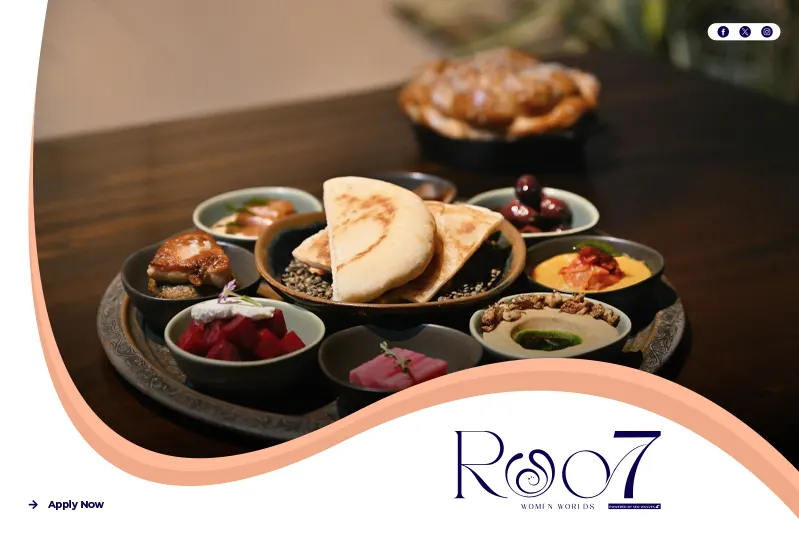
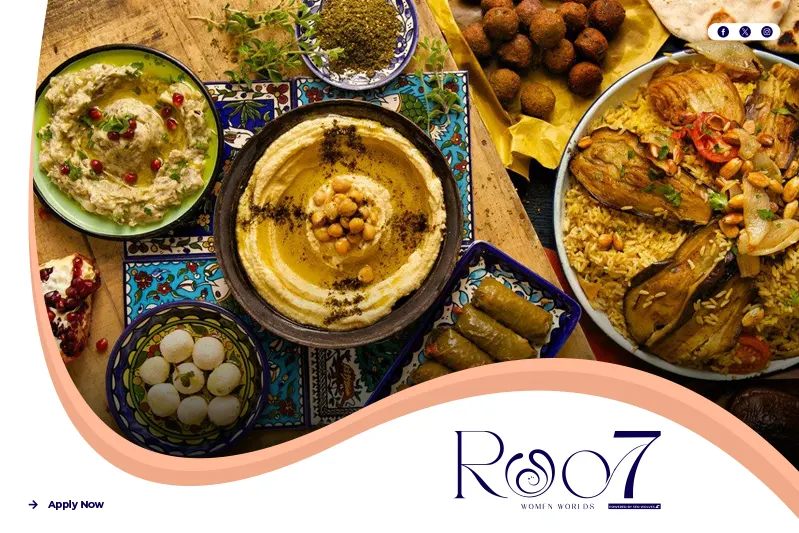
No dish represents Arabic food better than hummus. Made from chickpeas, tahini, lemon juice, and garlic, it’s a creamy, wholesome dip enjoyed across the Middle East. It’s often served with warm pita bread, drizzled with olive oil, and garnished with paprika or parsley.
In many Restaurants and Cafes, hummus has become an international favorite, offered as both a side dish and a main appetizer. It’s a healthy choice that fits perfectly into any modern Lifestyle — rich in protein, fiber, and healthy fats. Simple yet flavorful, hummus proves that great taste often comes from the simplest ingredients.
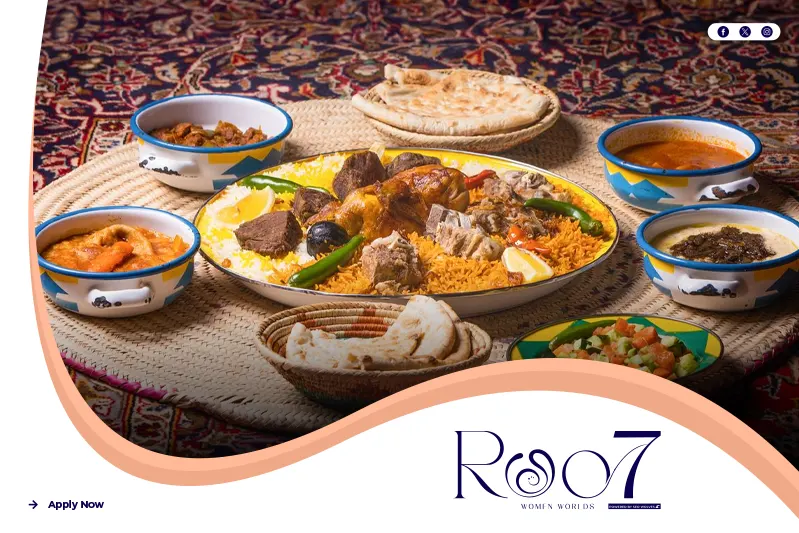
Falafel – Crispy Perfection
Another beloved staple of Arabic food is falafel — crispy golden balls made from ground chickpeas or fava beans mixed with herbs and spices. Fried to perfection, falafel offers a satisfying crunch on the outside and a soft, flavorful interior.
Read more about International food
Across Restaurants and Cafes in cities from Cairo to Dubai, falafel sandwiches are a popular street food. Served in pita bread with tahini sauce, pickles, and fresh vegetables, it’s a quick yet nourishing option that complements a vibrant Lifestyle. Beyond its taste, falafel is also vegetarian-friendly and rich in plant-based nutrients.
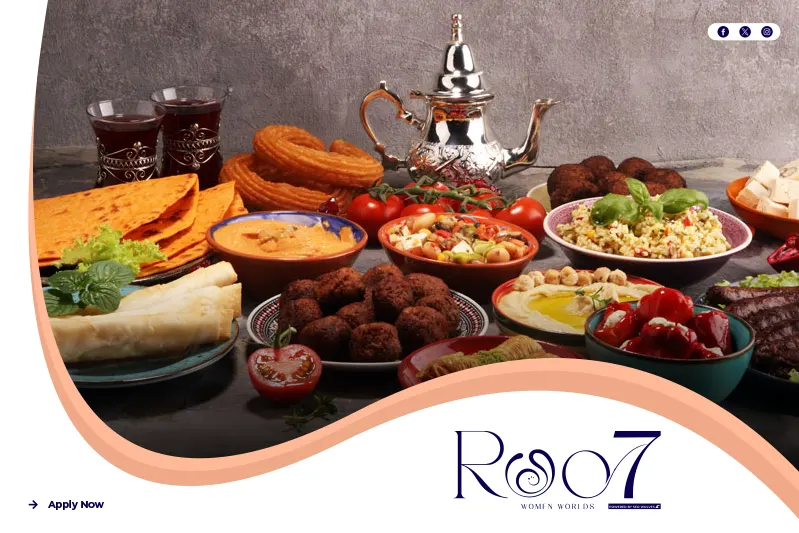
Shawarma – A Flavorful Favorite
Shawarma is one of the most recognized Arabic food dishes worldwide. Thinly sliced meat — usually chicken, beef, or lamb — is marinated in a blend of spices, then roasted slowly on a vertical rotisserie. The result is juicy, tender meat served in flatbread with garlic sauce, pickles, and vegetables.
From street stalls to luxury Restaurants and Cafes, shawarma’s irresistible aroma fills the air. It represents the essence of urban Arabic Lifestyle — fast, flavorful, and social. Every bite tells a story of tradition and innovation, reminding us why shawarma has become a global sensation.
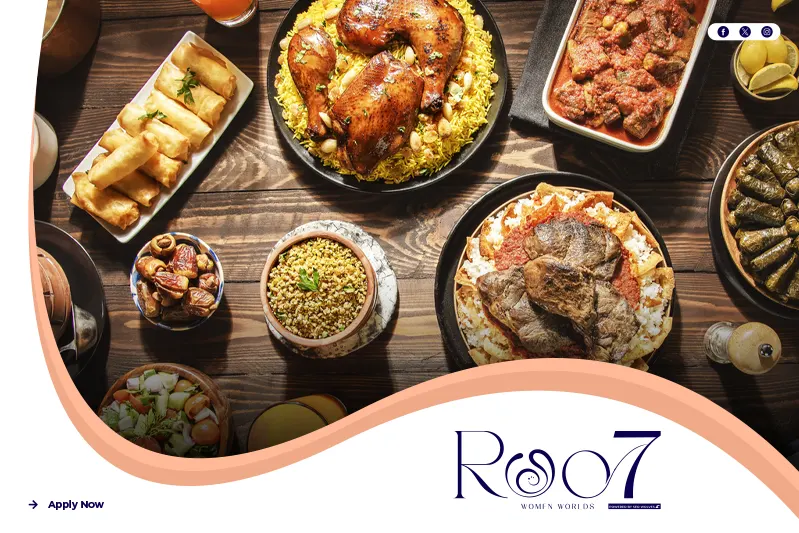
Mandi – The Pride of Arabian Hospitality
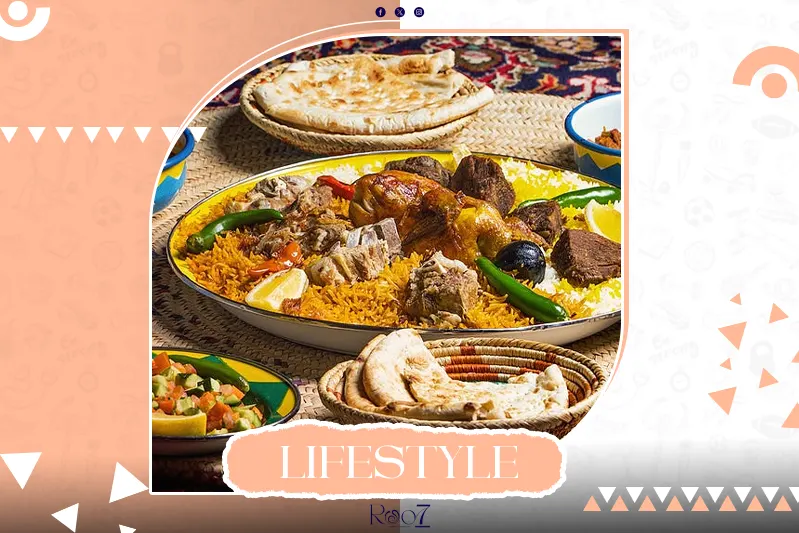
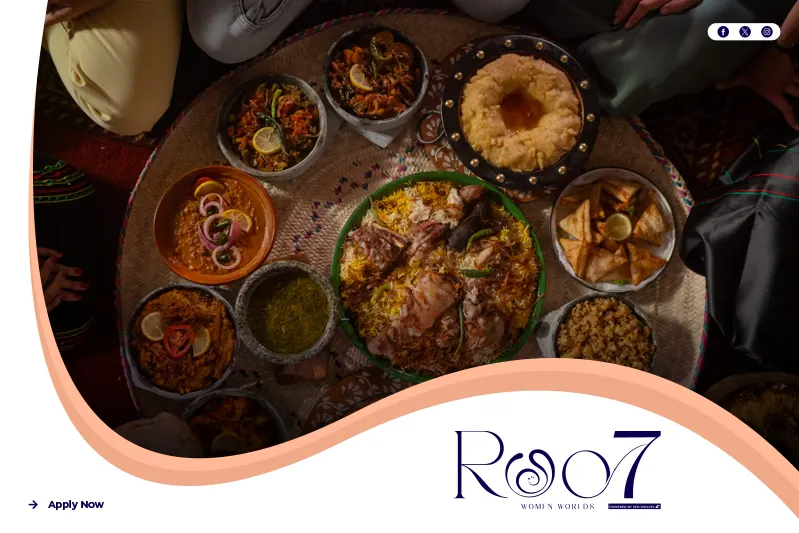
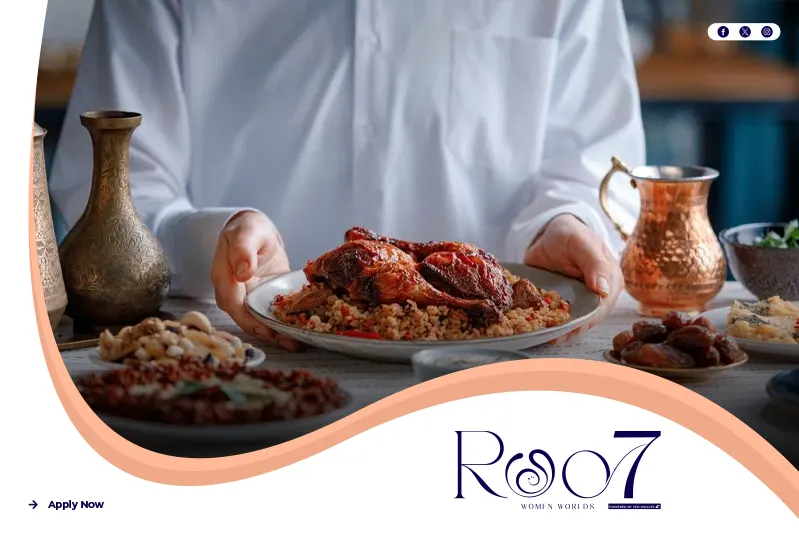
Originating from Yemen, Mandi has become one of the most cherished Arabic food dishes across the Gulf. It features tender, slow-cooked lamb or chicken served over fragrant rice infused with cardamom, saffron, and cloves. Traditionally cooked in underground clay ovens, Mandi captures the authentic taste of Arabian culture.
You’ll find this dish featured prominently in Restaurants and Cafes that specialize in Middle Eastern fine dining. Its preparation reflects a patient, meticulous approach to cooking that aligns with a refined Lifestyle — one that values craftsmanship and authenticity. Sharing a plate of Mandi with friends or family is an experience of true Middle Eastern warmth.
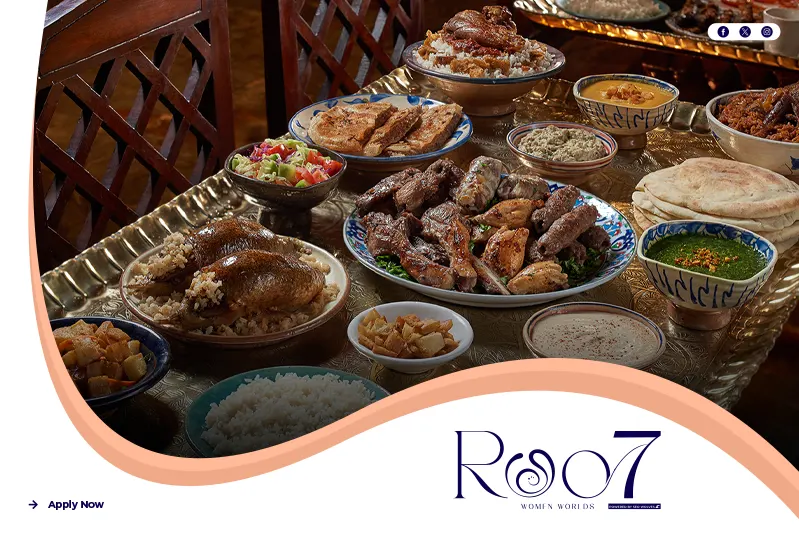
Fattoush and Tabbouleh – Fresh and Flavorful Salads
For a lighter side of Arabic food, Fattoush and Tabbouleh stand out as refreshing, vibrant salads. Fattoush combines crispy pieces of toasted pita bread with fresh vegetables and sumac dressing, while Tabbouleh highlights parsley, mint, bulgur, and lemon.
These dishes are staples in both homes and Restaurants and Cafes, especially among those who prioritize health and balance. Their freshness perfectly complements a wellness-focused Lifestyle, offering a mix of texture, color, and nutrients that reflect the Mediterranean spirit of eating well and living fully.
Kibbeh – A Symbol of Tradition
Kibbeh, often called the national dish of Lebanon, is a signature masterpiece of Arabic food. It consists of bulgur wheat, minced onions, and finely ground meat, shaped into oval patties and either baked, fried, or served raw (kibbeh nayyeh). Each version brings out unique textures and flavors.
Throughout Restaurants and Cafes, kibbeh represents the artistry of traditional cooking. Its preparation requires skill, patience, and attention to detail — qualities that mirror a mindful Lifestyle where food is treated with care and respect. Sharing kibbeh with family is not just a meal; it’s a cultural ritual passed through generations.
Kunafa – The Sweet Heart of the Arab World
No exploration of Arabic food is complete without dessert, and Kunafa is the ultimate indulgence. Made from shredded phyllo dough soaked in syrup and layered with sweet cheese or cream, Kunafa is warm, rich, and irresistibly golden.
It’s a staple treat in Restaurants and Cafes across the Arab world, often enjoyed during festive seasons or special occasions. Beyond its sweetness, Kunafa represents the joyous side of Arab Lifestyle — where celebrations are always accompanied by generous servings of love, laughter, and dessert.
The Evolution of Arabic Food in Modern Times
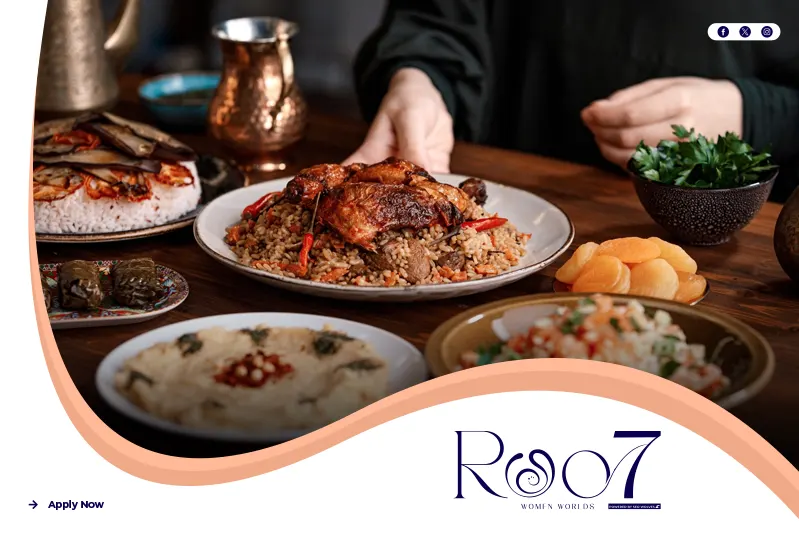
While the roots of Arabic food remain deep in tradition, the modern culinary scene is rapidly evolving. Contemporary chefs are experimenting with new techniques, presenting age-old dishes in innovative ways without losing authenticity. Gourmet Restaurants and Cafes now offer fusion menus that blend traditional Arabic flavors with international influences, appealing to a global audience.
This evolution mirrors today’s fast-paced Lifestyle, where people seek experiences that are both meaningful and modern. From mezze platters to fine dining, Arabic cuisine continues to adapt, reflecting the perfect harmony between heritage and progress.
The Cultural Meaning Behind Every Meal
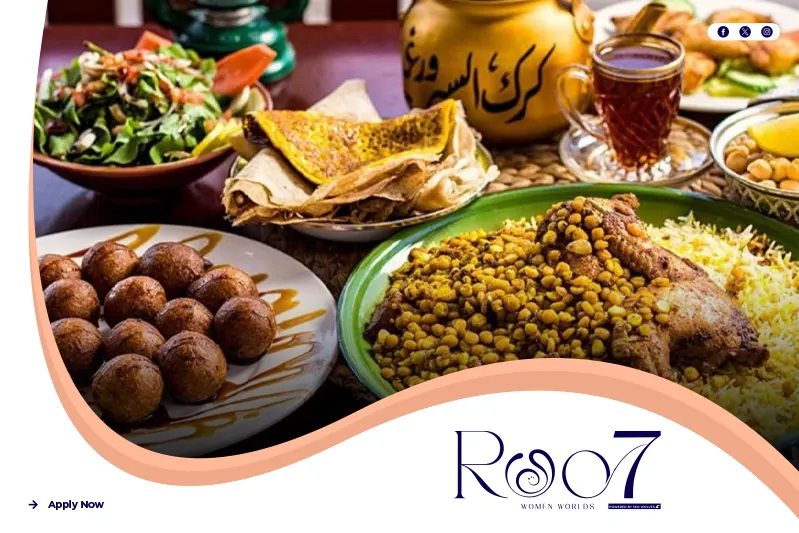
More than taste, Arabic food carries emotional and cultural significance. It symbolizes unity, generosity, and belonging. In every Arab home, offering food to guests is a sacred tradition — a gesture of respect and affection. This sense of hospitality extends to Restaurants and Cafes, where guests are treated like family.
For those who appreciate culture, cuisine becomes a way of life — a form of Lifestyle expression that celebrates connection, gratitude, and community. Every recipe tells a story, every meal strengthens bonds, and every flavor reminds us of the beauty of tradition.
Conclusion: A Journey Through Flavor and Heritage
Exploring Arabic food is not just about satisfying hunger — it’s about experiencing the essence of a culture that values heart and heritage. From the humble hummus to the majestic Mandi, every dish reflects centuries of history, passion, and craftsmanship.
As Restaurants and Cafes around the world continue to share the magic of Middle Eastern cuisine, people everywhere are embracing a more flavorful and connected Lifestyle. So, whether you’re trying these recipes at home or dining out, remember that every bite is a journey — one that unites tradition, taste, and togetherness.