


Introduction
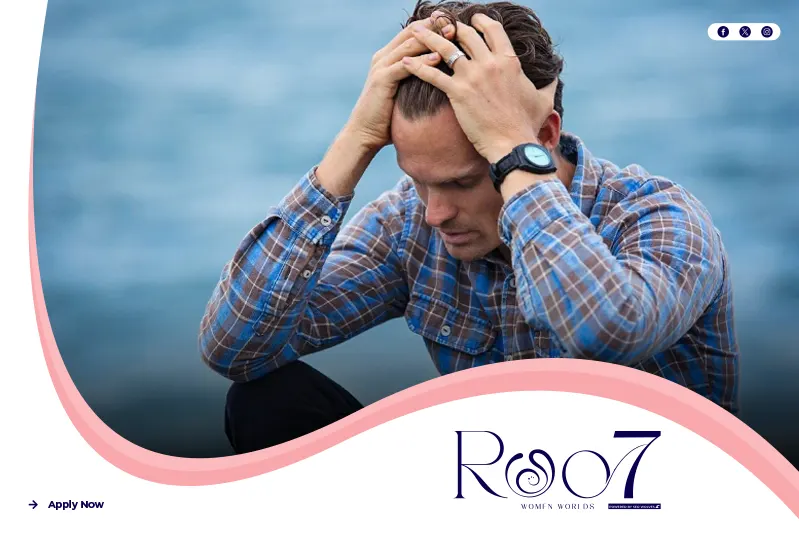
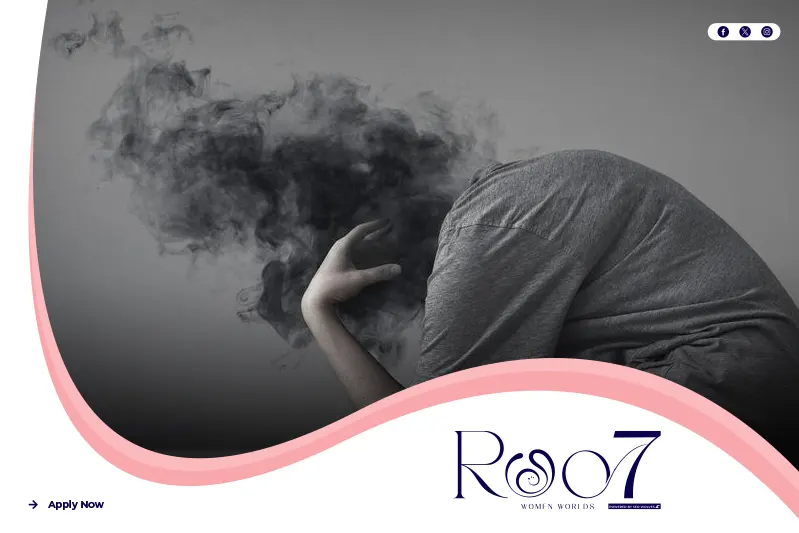
Depression and anxiety are among the most common mental health challenges in today’s fast-paced world. Experiencing depression and anxiety affects emotional stability, productivity, relationships, and even physical health. Left unmanaged, these conditions can lead to chronic stress, fatigue, and a diminished quality of life. Understanding the nature of these conditions and learning effective coping strategies is essential for maintaining mental health and overall beauty and health.
Globally, millions of people experience depression and anxiety, making it crucial to recognize the signs early and seek support. Both conditions can manifest differently in each individual—ranging from persistent sadness and low motivation to excessive worry and restlessness. Addressing these challenges not only improves emotional well-being but also positively impacts energy levels, skin health, and overall vitality. By combining professional guidance, self-care techniques, and lifestyle adjustments, it is possible to regain balance, enhance resilience, and promote a healthier, more vibrant life.

Recognize the Signs and Symptoms
Being aware of the signs of depression and anxiety is the first step toward recovery. Symptoms may include persistent sadness, irritability, loss of interest in enjoyable activities, fatigue, changes in sleep and appetite, and difficulty concentrating. Physical symptoms such as headaches, digestive issues, or muscle tension may also appear.
Early recognition allows for timely intervention, improving mental health and reducing the risk of long-term complications. Effective management also supports beauty and health, as emotional stability reduces stress-induced physical symptoms and promotes a radiant, energetic appearance.

Seek Professional Support
Professional support from therapists, counselors, or psychiatrists is essential for managing depression and anxiety. Therapy provides structured coping strategies, emotional guidance, and if necessary, medication management.
Accessing professional help improves mental health by offering personalized approaches and tools to navigate challenges effectively. It also benefits beauty and health, as reduced emotional stress enhances sleep quality, energy levels, and overall vitality. Early consultation prevents escalation and fosters long-term resilience.

Build a Strong Support Network
Engaging with family, friends, or support groups can help alleviate depression and anxiety. Openly sharing feelings and experiences reduces isolation and provides emotional validation.
A reliable support network strengthens mental health by creating a safe environment to express concerns and receive guidance. It also promotes beauty and health, as social support reduces stress hormones, improves energy, and fosters a sense of belonging. Regular interactions, whether in person or virtually, can make a significant difference in overall well-being.

Develop Healthy Lifestyle Habits
A healthy lifestyle plays a critical role in managing depression and anxiety. Regular physical activity, a balanced diet, sufficient sleep, and proper hydration can significantly improve mood and energy.
Lifestyle improvements enhance mental health by releasing endorphins, regulating mood, and increasing resilience. They also support beauty and health, as good nutrition and exercise promote glowing skin, strong hair, and physical vitality. Simple steps, such as daily walks, mindful eating, and consistent sleep schedules, have a profound long-term impact.
Read more about Mental Health for Children and Adolescents

Practice Mindfulness and Relaxation Techniques
Mindfulness, meditation, deep breathing, and yoga are effective methods to manage depression and anxiety. These techniques help focus the mind on the present, reducing rumination and negative thought patterns.
Practicing mindfulness improves mental health by decreasing stress, enhancing emotional awareness, and promoting calmness. It also benefits beauty and health, as reduced stress levels lower inflammation, improve sleep, and enhance overall vitality. Incorporating short daily sessions or guided meditation apps can create lasting improvements.
Set Realistic Goals and Priorities
Breaking tasks into manageable steps helps alleviate the pressure of depression and anxiety. Setting realistic and achievable goals fosters a sense of accomplishment and reduces feelings of overwhelm.
Structured goal-setting improves mental health by increasing motivation, focus, and self-efficacy. It also supports beauty and health, as reduced stress and increased productivity enhance energy, posture, and overall well-being. Celebrate small victories to maintain momentum and encourage progress.

Limit Negative Influences
Reducing exposure to negative environments, toxic relationships, or social media triggers can minimize depression and anxiety. Surrounding yourself with positive influences encourages personal growth and emotional stability.
Limiting negativity improves mental health by lowering stress levels, fostering optimism, and building resilience. It also enhances beauty and health, as positive interactions and reduced stress promote energy, vitality, and a healthy appearance. Intentional selection of social and environmental influences is key to emotional balance.

Engage in Enjoyable Activities
Participating in hobbies, creative projects, or leisure activities helps counteract depression and anxiety. Doing things that bring joy provides purpose and enhances emotional satisfaction.
Engaging in enjoyable activities strengthens mental health by boosting mood, increasing self-esteem, and reducing negative thought cycles. It also supports beauty and health, as positive emotions improve energy, circulation, and skin radiance. Scheduling regular personal time ensures consistent emotional rejuvenation.

Practice Self-Compassion
Treating yourself with kindness and understanding is crucial when managing depression and anxiety. Accept that struggles are part of the human experience and avoid harsh self-criticism.
Self-compassion improves mental health by reducing guilt, shame, and emotional burden. It also positively affects beauty and health, as self-kindness promotes relaxation, better posture, and overall vitality. Journaling, affirmations, and gentle self-talk are effective ways to cultivate self-compassion.

Utilize Professional Interventions if Necessary
In severe cases, structured clinical interventions such as therapy, counseling, or medication may be necessary to manage depression and anxiety. Early professional support ensures safe, effective, and sustainable treatment.
These interventions enhance mental health by providing specialized strategies, emotional guidance, and medical management. They also support beauty and health, as effective treatment reduces stress-related physical symptoms, improves sleep, and increases energy. Early intervention prevents complications and promotes long-term wellness.

Maintain a Consistent Social Routine
Regular social interactions and community engagement can improve coping with depression and anxiety. Volunteering, attending group activities, or connecting with supportive peers reduces isolation and fosters belonging.
Consistent social engagement strengthens mental health by building support networks, enhancing confidence, and increasing emotional resilience. It also benefits beauty and health, as social connection improves energy, reduces stress, and fosters vitality. Maintaining a balanced social routine is key to emotional stability.
Monitor and Track Progress
Keeping a journal or using tracking apps helps monitor symptoms, triggers, and coping strategies for depression and anxiety. Regular evaluation allows for adjustments in treatment or self-care routines.
Tracking progress enhances mental health by providing insight into emotional patterns, promoting accountability, and reinforcing positive habits. It also benefits beauty and health, as reduced stress and structured routines support energy levels, sleep quality, and overall vitality. Reflecting on progress fosters motivation and long-term adherence to healthy practices.
Conclusion
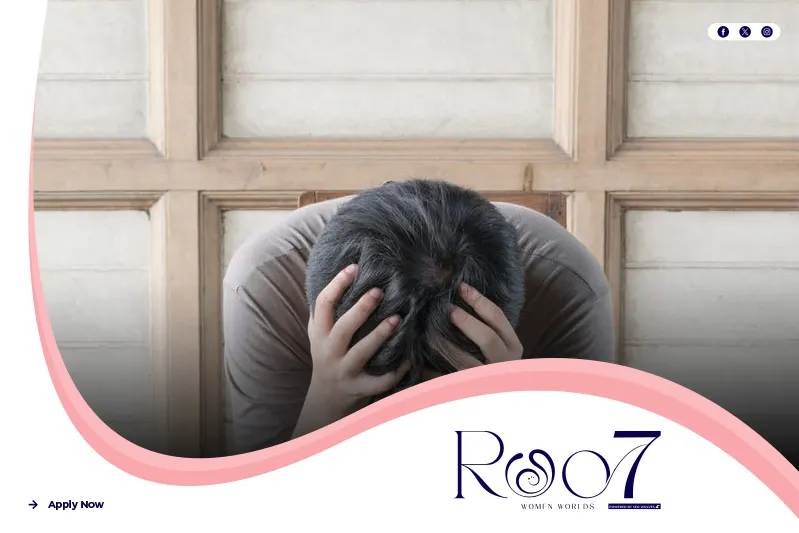
Understanding and coping with depression and anxiety is essential for maintaining robust mental health and overall beauty and health. Recognizing symptoms, seeking professional support, cultivating positive relationships, implementing healthy habits, practicing mindfulness, engaging in enjoyable activities, and maintaining self-compassion are all critical steps toward emotional recovery and resilience.
By applying these strategies consistently, individuals can reduce stress, enhance mood, boost energy, and achieve a healthier, more vibrant life. Prioritizing mental wellness while addressing depression and anxiety ensures not only emotional stability but also improved physical vitality, confidence, and overall quality of life.